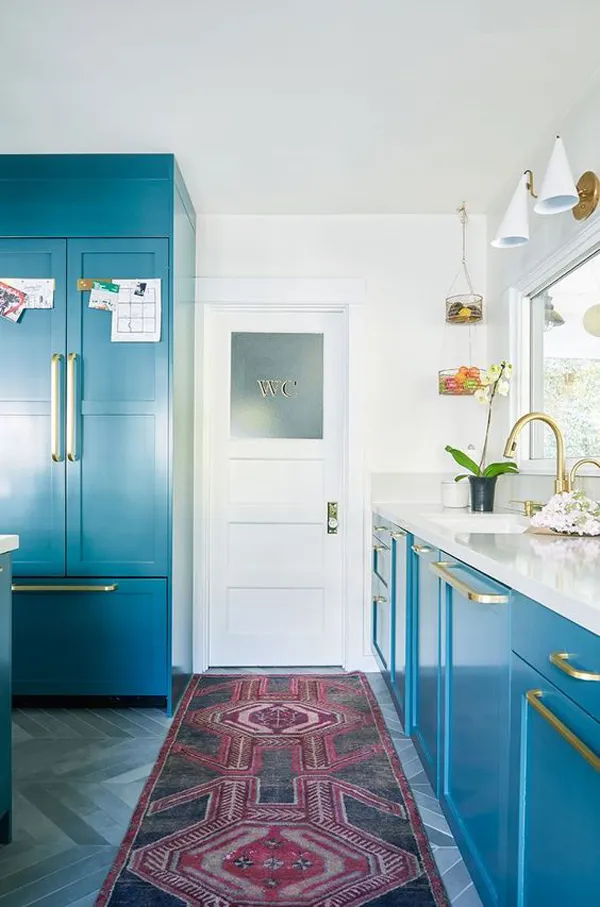
Understanding the Power of Blue Kitchen Decor
Blue, often associated with tranquility and calmness, is an excellent choice for kitchen decor. Its versatility allows it to complement various design styles, from modern minimalist to classic farmhouse. Incorporating blue into your kitchen can transform it into a serene and inviting space, encouraging relaxation and a sense of well-being. This is particularly beneficial in a room where you start your day, enjoy meals, and often gather with family and friends. The color’s inherent ability to create a sense of spaciousness also makes it ideal for both small and large kitchens, enhancing the overall aesthetic appeal and functionality.
The Psychology of Blue in the Kitchen
The psychology of color plays a significant role in how we perceive and interact with our environment. Blue is known to evoke feelings of calmness, trust, and serenity. It can lower heart rates and create a sense of spaciousness, making it an excellent choice for a kitchen where you want to feel relaxed and comfortable. Unlike vibrant colors that can stimulate appetite, blue is known to suppress it, which can be a bonus for those looking to control their food intake. However, it’s important to balance blue with warmer tones to prevent the space from feeling cold or uninviting. The key is to create a harmonious balance that leverages blue’s calming effects while maintaining a warm and welcoming atmosphere.
Choosing the Right Blue Shade for Your Kitchen

Selecting the perfect shade of blue is crucial for achieving the desired ambiance in your kitchen. Consider the amount of natural light, the size of your kitchen, and your personal preferences. Lighter shades, such as sky blue or baby blue, can make a small kitchen appear larger and brighter, reflecting light and creating an airy feel. Deeper blues, like navy or indigo, add a touch of sophistication and drama, suitable for larger spaces or as accent colors. The choice should align with the overall design style and the mood you wish to create. Remember to test paint samples in your kitchen before committing to a color, observing how the color changes throughout the day with different lighting conditions.
Different Shades of Blue
Explore various shades to find the one that suits your kitchen best. Consider these options: Coastal blues evoke a sense of the sea, perfect for creating a relaxed, beachy vibe; Gray-blues offer a sophisticated, modern look, pairing well with neutral tones; Teal blues add a touch of vibrancy and warmth, ideal for a more energetic space; and Navy blues bring a classic, elegant feel, suitable for larger kitchens or as an accent color. Each shade has its unique characteristics, and understanding these differences will help you make an informed decision. Look at paint swatches under different lighting conditions to fully grasp the color’s true appearance.
Factors to Consider
Several factors should influence your choice. The amount of natural light is critical. A kitchen with ample sunlight can handle darker blues, while kitchens with less natural light may benefit from lighter shades to brighten the space. The size of the kitchen also plays a role; lighter colors make small kitchens feel more spacious, while darker colors can work well in larger areas. Your personal style is equally important. Do you prefer a calm, serene environment or a more vibrant, energetic space? Consider your existing decor and how the blue will complement other elements, such as countertops, cabinets, and flooring. Always test paint samples to see how the color looks in your kitchen’s unique environment.
Incorporating Blue Through Paint and Walls

Paint is one of the most impactful and cost-effective ways to introduce blue into your kitchen. Painting walls, or even an accent wall, can dramatically change the room’s atmosphere. Consider the type of paint finish, such as matte for a soft look or satin for durability and easy cleaning. Wall color sets the foundation for the rest of your design. By strategically using blue paint, you can highlight architectural features, define zones, and create focal points. The use of blue on walls creates a cohesive feel within the kitchen, blending seamlessly with other decorative elements like cabinets, countertops, and accessories. It creates a refreshing contrast when juxtaposed with white or light-colored furniture and elements. This way the blue creates a focal point for a welcoming space.
Selecting the Perfect Blue Paint
Choosing the right paint involves considering the color’s undertones and how they interact with your kitchen’s lighting. Undertones can make a blue appear warmer or cooler. Test paint samples in different areas of your kitchen throughout the day to see how the light affects the color. Consider the type of paint – eggshell or satin finishes work well in kitchens due to their washability and resistance to moisture. The best paints are those with low VOC (volatile organic compounds) for air quality. Brands like Benjamin Moore, Sherwin-Williams, and Farrow & Ball offer a wide range of blue shades and finishes suitable for kitchens. Make sure you select a durable, moisture-resistant paint to withstand the rigors of the kitchen environment.
Prep and Painting Techniques
Proper preparation is crucial for a flawless paint job. Start by cleaning the walls to remove dirt and grease. Fill any holes or imperfections with spackle, sand them smooth, and prime the surface for better paint adhesion. Use painter’s tape to protect trim and edges. Apply two coats of paint for full coverage, allowing each coat to dry completely before applying the next. Using the correct tools, like high-quality brushes and rollers, ensures an even finish. For accent walls, consider using a contrasting color to add visual interest. Good preparation and technique will not only improve the appearance but also extend the life of your paint job. Consider hiring a professional if you are not comfortable with the process.
Accent Walls

An accent wall is an excellent way to introduce blue without overwhelming the space. Choose a wall that serves as a focal point, such as the one behind your stove or sink. This technique can add depth, visual interest, and create a sense of balance in your kitchen. An accent wall can define a specific area and be a perfect backdrop for open shelving or artwork. It’s a great way to experiment with bolder blues without fully committing to painting the entire kitchen. Coordinate the accent wall color with other blue elements in your kitchen, such as accessories or cabinetry, to create a cohesive and harmonious design. This will give a unique feel in your kitchen.
Blue Kitchen Decor in Cabinetry and Countertops
Blue cabinetry and countertops make a bold statement, transforming your kitchen into a stylish and inviting space. Blue cabinets create a focal point, adding a touch of elegance and personality to your kitchen. This color choice can make a significant impact on the overall aesthetic, creating a unique look. Blue countertops, though less common, offer a striking contrast, adding visual interest and breaking up the monotony of neutral tones. These elements can completely redefine the kitchen’s character, reflecting your personal style. When paired with neutral walls and flooring, blue cabinetry and countertops provide a balanced, visually appealing design.
Blue Cabinets Design Ideas
Consider the various shades of blue for your cabinets, from light sky blue to deep navy, each creating a distinct aesthetic. Choose a paint finish that suits your kitchen’s style, such as matte for a soft, traditional look or glossy for a modern, sleek appearance. Pair blue cabinets with complementary hardware, like gold or brushed nickel, to enhance the design. Consider a two-tone look, with blue cabinets paired with a contrasting island color or upper cabinets. For a classic look, combine navy cabinets with white countertops and subway tile backsplashes. Blue cabinets can give the kitchen a luxurious feel. Consider different door styles and cabinet designs to create a unique and personalized space.
Blue Countertops

Blue countertops can add a touch of sophistication and uniqueness to your kitchen. Materials like blue granite, quartz, or even concrete can create a stunning visual impact. When choosing countertops, consider their durability, maintenance, and the overall design scheme. Coordinate the countertop color with your cabinets and backsplash to create a cohesive look. Blue countertops can serve as a focal point, especially when paired with neutral cabinets. Ensure the countertop material is heat-resistant and easy to clean. Experiment with patterns and textures to add depth and visual interest. The countertops can give the kitchen a different persona, depending on the chosen material and color.
Accessorizing with Blue Kitchen Decor
Accessorizing is the key to adding personality and finishing touches to your blue kitchen. Accessories can tie together the overall aesthetic and add visual interest. Blue accessories can provide a pop of color, complementing the existing design and adding a layer of depth and character. This is one of the easiest and most impactful ways to introduce blue. Accessories are also a great way to experiment with different shades and styles before committing to a larger change. By incorporating accessories, you can create a harmonious and inviting space. This will make the kitchen a warm space.
Blue Kitchen Accessories
Incorporate blue accessories such as dishware, canisters, and kitchen utensils to add subtle touches of color. Blue appliances can be a statement piece, adding a unique flair. Add blue artwork, such as paintings or prints, to create focal points on your walls. Consider blue textiles, such as kitchen towels or curtains, to bring softness and texture. Blue pendant lights or lamps can add a splash of color and enhance the ambiance. Always balance the colors with other elements to create harmony. Carefully selected accessories can reflect your style and enhance the functionality of your kitchen. This will showcase your style and personal touch.
Textiles and Soft Furnishings

Textiles and soft furnishings can add warmth, texture, and softness to your blue kitchen. Consider blue kitchen towels, oven mitts, and aprons to bring in subtle hints of color. Curtains or window treatments in blue can add a layer of elegance and control natural light. Rugs and mats in blue patterns can add visual interest and define different areas. Cushions for bar stools or dining chairs can add comfort and color. Textiles provide a way to play with patterns and textures, complementing the overall design. Choose durable, washable materials suitable for the kitchen environment. The textiles can make a kitchen feel warmer, more inviting, and reflective of your personal style.
Lighting to Enhance Blue Tones
Lighting plays a vital role in enhancing the beauty of blue kitchen decor. It influences how the color appears and affects the overall ambiance. Proper lighting can accentuate blue tones, creating a welcoming and functional space. Different types of lighting, from natural light to artificial options, can affect the way blue is perceived, so it’s essential to plan your lighting scheme carefully to achieve the desired effect. Consider various light sources and how they interact with blue surfaces to create a well-lit and aesthetically pleasing kitchen.
Natural Light and Blue
Natural light can greatly impact the appearance of blue in your kitchen. Blue colors tend to reflect sunlight differently depending on the time of day and the angle of the light. Direct sunlight can make blue appear brighter and more vibrant, while indirect light can create a softer, more muted effect. Consider the placement of windows and how they influence the amount of natural light in your kitchen. Using sheer curtains can filter the sunlight and create a diffused glow. If you have limited natural light, strategically placed mirrors can help reflect light and brighten the space, enhancing the appeal of blue kitchen decor.
Artificial Lighting Options

Artificial lighting can enhance the beauty of blue kitchen decor, especially during the evening or in kitchens with limited natural light. Consider the following options: Recessed lighting provides general illumination, highlighting the entire space; pendant lights can add a touch of style and focus light over specific areas, such as an island; under-cabinet lighting can illuminate countertops and backsplashes, accentuating blue cabinets and tiles; track lighting offers flexibility and allows you to direct light where needed; and dimmer switches allow you to control the intensity of the light, creating a specific ambiance. Choose light bulbs with the right color temperature to complement the blue hues, typically warm white or daylight bulbs. A combination of different lighting types creates a layered and balanced lighting design.
Maintaining and Cleaning Blue Kitchen Decor
Maintaining and cleaning your blue kitchen decor is essential to keeping it looking its best. Regular cleaning helps preserve the color and prevents the build-up of grime and stains. Proper maintenance ensures the longevity of your kitchen design and allows you to enjoy it for years to come. The cleaning method will vary depending on the materials, so familiarize yourself with appropriate cleaning techniques for painted surfaces, accessories, and other elements. Regular cleaning and maintenance will preserve the beauty of your blue kitchen decor.
Cleaning Painted Surfaces
Clean painted surfaces with a gentle touch to prevent damage. Use a soft cloth or sponge and mild soapy water to wipe down walls, cabinets, and trim. Avoid abrasive cleaners or scrub brushes, which can scratch the paint. For tougher stains, use a non-abrasive cleaning solution specifically designed for painted surfaces. Always test the cleaning solution in an inconspicuous area first to ensure it doesn’t damage the paint. Wipe down surfaces regularly to prevent the build-up of grease and grime. Regular cleaning will keep your blue kitchen looking fresh and vibrant, preserving the paint’s color and finish. Quick spot cleaning will prevent the need for extensive cleaning later.
Caring for Accessories
Caring for accessories involves different techniques depending on the materials. For dishware and glassware, wash by hand or use the dishwasher, following the manufacturer’s instructions. Clean metal accessories with appropriate metal cleaners to remove tarnish and maintain shine. Dust and wipe down decorative items regularly to prevent dirt and grime build-up. For textile accessories, wash or spot clean as needed, referring to care labels for instructions. Store accessories properly to prevent damage or breakage. Regular care ensures that your accessories remain attractive and functional, complementing your blue kitchen decor and maintaining its overall aesthetic.