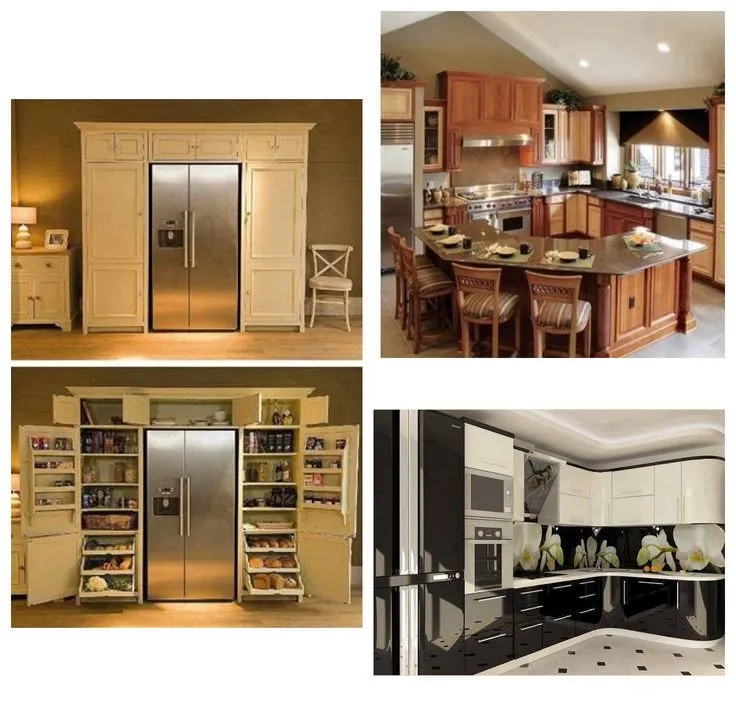
Finding Inspiration on Pinterest for DIY Kitchen Decor
Pinterest is a goldmine for DIY kitchen decor ideas. It’s an incredible visual platform where you can discover endless inspiration for transforming your kitchen. Start by searching for keywords such as ‘DIY kitchen decor’, ‘budget kitchen makeover’, or specific styles like ‘modern farmhouse kitchen decor’. Create a dedicated board and start pinning images that resonate with you. Pay attention to the details the colors, textures, and overall aesthetic. Pin as many ideas as you can and then revisit your board to identify common themes. This process will help you refine your style and narrow down the projects you want to pursue. Explore different profiles and accounts; many creators share detailed tutorials and product recommendations to help you execute your ideas. Don’t be afraid to mix and match, adapt different elements, and add your personal touch to the inspiration you find.
Creating a Kitchen Decor Plan
Once you’ve gathered inspiration, the next step is to create a solid decor plan. A well-thought-out plan ensures a cohesive look and prevents costly mistakes. Start by considering your kitchen’s layout, size, and existing features. What are your priorities? Do you want to improve storage, update the look, or increase functionality? The plan should include your goals, a budget, a timeline, and the specific projects you’re planning to undertake. Sketch out your kitchen, making notes of dimensions and potential project areas. Use a mood board or digital design tools to visualize how different elements will work together. This will make it easier to see your finished space before you spend any money. Remember to be realistic about your skills and the amount of time you can dedicate to each project. Start small, if needed, and gradually work your way up to more complex DIY projects.
Define Your Kitchen Style

Before diving into DIY projects, identify the style you want to achieve in your kitchen. Your chosen style will guide your design choices, from color palettes and materials to the types of decor you select. Research popular kitchen styles such as modern, farmhouse, minimalist, bohemian, or industrial. Look at images on Pinterest and other platforms to find examples that you love. Determine which styles you are drawn to and which ones best suit your lifestyle and the architecture of your home. Consider the overall aesthetic you want to create. Do you want a bright, airy space, or a cozy, inviting kitchen? Once you have a clear vision, you can start selecting colors, materials, and accessories that align with your chosen style. This clarity will help ensure a cohesive and visually appealing final result.
Assessing Your Space & Needs
Take a good look at your kitchen. What are its strengths, and what needs improvement? Assess the existing layout, functionality, and storage. Identify areas that could benefit from a DIY upgrade. Are your cabinets outdated? Is there enough counter space? Do you need more storage? Take measurements of your kitchen and any areas you plan to work on. This information is crucial for planning your projects and buying the right materials. Consider the lighting, natural and artificial, and how it affects the overall ambiance. Think about the workflow in your kitchen and how you can improve it. Assess your needs for everyday cooking and entertaining. This detailed assessment will help you prioritize projects and create a kitchen that perfectly fits your needs and style.
Gathering Your Supplies
Before you start any DIY project, gather all necessary supplies. This will streamline the process, prevent delays, and ensure a smoother, more enjoyable experience. Make a detailed list of the materials, tools, and equipment you will need for each project. Research and compare prices to stay within your budget. Visit local hardware stores or browse online retailers to find the best deals. Consider buying multi-packs or larger quantities of frequently used items like paint or screws. Tools are an investment; consider borrowing, renting, or buying used tools if you’re on a budget. Keep your workspace organized and keep all of your materials on hand. Always have safety equipment such as gloves and eye protection available and on hand, and make sure you have everything necessary before you start.
DIY Kitchen Decor Projects Step-by-Step

Now for the fun part executing your DIY kitchen decor ideas! The projects you choose should align with your style, skills, and budget. Start with simple, beginner-friendly projects and gradually take on more complex tasks as your confidence grows. Be patient and take your time; rushing can lead to mistakes. Focus on the projects that offer the greatest impact. For example, a fresh coat of paint on your cabinets or a new backsplash can dramatically change the look and feel of your kitchen. Follow step-by-step instructions from Pinterest tutorials or DIY blogs. Don’t be afraid to experiment, but always prioritize safety and follow recommended safety guidelines. Remember that every DIY project is a learning experience, and even small improvements can make a big difference. Celebrate your accomplishments, and enjoy the process of transforming your kitchen into a space you love.
DIY Kitchen Backsplash Ideas
A kitchen backsplash is an excellent way to add personality and style to your space. It protects the walls from splashes and spills and instantly upgrades the look of your kitchen. Explore different materials such as tile, mosaic, peel-and-stick options, or even painted designs. Choose a backsplash that complements your existing countertops and cabinetry. Consider the color, pattern, and texture. Before you start, prepare your wall by cleaning it and ensuring it’s smooth and level. When considering the design make sure it matches your overall style and the space you are working with. Think about the installation process. DIY-friendly options like peel-and-stick tiles are easy to apply, while mosaic tile may require more specialized skills. With a little planning and effort, you can create a stylish and functional backsplash that completely transforms your kitchen.
Choosing Backsplash Materials
The choice of backsplash material greatly influences the look and durability of your kitchen. Tile is a popular option, available in various styles, sizes, and colors. Ceramic and porcelain tiles are durable, water-resistant, and easy to clean. Glass tiles add a touch of elegance and reflect light. Natural stone, such as marble or granite, offers a luxurious feel but requires more maintenance. If you’re looking for a budget-friendly and DIY-friendly option, consider peel-and-stick tiles or vinyl. These are easy to install and come in various designs, mimicking the look of more expensive materials. Consider the maintenance requirements of each material. Some materials, like natural stone, need to be sealed regularly to prevent staining. Select a material that suits your lifestyle, budget, and the overall style of your kitchen.
Installing a Backsplash

Installing a backsplash requires careful planning and preparation. Begin by measuring the area and calculating the amount of material you will need. Gather your supplies, including tiles, adhesive, grout, a trowel, a level, and a tile cutter. Prepare your wall by cleaning it thoroughly and applying a primer if necessary. For tile installation, apply the adhesive to the wall or the back of the tiles, and then press the tiles firmly into place. Use spacers to maintain uniform grout lines. Once the adhesive has dried, apply grout and remove any excess. Clean the tiles and seal the grout to protect it from stains and moisture. Peel-and-stick backsplashes are even easier to install, simply peel off the backing and adhere them to the wall. Follow the manufacturer’s instructions and enjoy your new backsplash.
DIY Kitchen Shelving
Open shelving is a stylish and practical way to add storage and display your kitchen essentials. It creates visual interest and makes your space feel more open and airy. You can build your own shelves using wood, metal, or even reclaimed materials. The first step is to measure the area and determine the size and number of shelves you need. Consider the style and weight the shelves will hold. Choose a shelf material that complements your kitchen décor. Stain or paint the shelves to match your style. You can make floating shelves by using hidden brackets or install shelves with visible brackets for a more rustic look. Remember to install them securely to ensure safety. Decorate your shelves with cookbooks, decorative items, and frequently used kitchen supplies.
Selecting the Right Shelves
Choose shelf materials that are durable, aesthetically pleasing, and suitable for your kitchen environment. Wood shelves offer a warm, classic look and can be stained or painted to match your decor. Consider the type of wood and its weight capacity. Metal shelves provide a modern or industrial touch and are often very sturdy. Glass shelves create a sleek, minimalist look but may require more care. Reclaimed wood shelves add character and a unique, rustic feel. When selecting your shelves, think about the weight they will need to hold. Heavier items such as dishes or large appliances will require more robust shelves. The shelf material should complement your kitchen’s style and blend seamlessly into the overall aesthetic.
Mounting Your Shelves

Properly mounting your shelves is crucial for safety and stability. Start by marking the location of the shelf brackets on the wall, ensuring they are level. Use a stud finder to locate the wall studs for the most secure support. If you can’t mount the brackets directly into studs, use appropriate wall anchors. Pre-drill holes for the screws and then attach the brackets to the wall. Install the shelves onto the brackets, ensuring they are securely in place. Double-check that your shelves are level before placing any items on them. For floating shelves, follow the manufacturer’s instructions carefully, and consider the weight capacity when determining the shelf size and bracket placement. Properly installed shelves not only look great but provide a safe storage solution for your kitchen.
DIY Kitchen Lighting
Lighting plays a huge role in the look and feel of your kitchen. Upgrading your lighting is an effective DIY project to transform your space and increase functionality. Consider the type of light you need. Task lighting over the counters will make it easier to prepare meals. Ambient lighting will help to set the mood. Accent lighting, like under-cabinet lights, will highlight specific areas and create visual interest. You can replace outdated fixtures with modern pendants, track lighting, or recessed lights. Ensure that your lighting is energy-efficient by using LED bulbs. The correct amount of light will transform your kitchen. Before starting any electrical work, make sure the power is turned off at the circuit breaker. If you are not comfortable with electrical work, hire a professional electrician.
Types of Kitchen Lighting
Kitchen lighting comes in many forms and all offer different benefits. Pendant lights hang from the ceiling and are great for task lighting over islands or countertops. Recessed lights are installed in the ceiling and provide general illumination. Under-cabinet lights illuminate countertops and create a cozy atmosphere. Track lighting is a versatile option, allowing you to direct light where you need it. Consider a combination of these types to achieve a layered lighting scheme. Choose fixtures that complement your kitchen’s style and ensure they are bright enough to provide adequate lighting for cooking and other tasks. Think about dimmers; they add to the versatility of your lighting and allow you to adjust the mood.
Installing New Lighting Fixtures

Replacing or installing new lighting fixtures can make a big difference. Always turn off the power at the circuit breaker before starting any electrical work. Remove the old fixture, carefully disconnecting the wires. Follow the manufacturer’s instructions to install the new fixture. Make sure the wires are connected correctly and securely. Use wire connectors to ensure a safe connection. Double-check all connections before turning the power back on. When installing pendants or other hanging lights, consider the height and placement to ensure they don’t obstruct your view or workspace. For recessed lighting, follow the manufacturer’s instructions for cutting the holes and installing the housings. If you are unsure about any part of the process, consult a professional electrician.
Adding the Finishing Touches
The finishing touches bring together all the elements of your kitchen decor and create a cohesive space. These are the details that add personality and style. Consider adding decorative accents to your countertops, walls, and shelves. Choose items that reflect your style and add visual interest. This will create a stylish and inviting kitchen that you can enjoy. Be mindful of balancing aesthetics with functionality to keep the kitchen a user-friendly space.
Choosing Kitchen Decor Accents
Select kitchen decor accents that reflect your personal style and add a touch of personality. Decorative items like vases, bowls, or serving platters can make your kitchen more aesthetically pleasing. Consider adding a pop of color with a set of colorful canisters, kitchen towels, or a vibrant rug. Display items like cookbooks, cutting boards, and utensils on open shelves. Choose items that are both beautiful and functional, helping to keep the kitchen organized. Change the accents seasonally, and add new items that showcase your personal style. These small touches make a big difference in creating a welcoming and stylish kitchen.
Wall Decor & Art

Wall decor and art can completely transform your kitchen. Choose pieces that complement your overall design style. Consider the size and scale of your artwork relative to your wall space. A large piece can become a focal point, while a gallery wall of smaller pieces creates visual interest. Select art that resonates with you. It could be a piece by a local artist, a print, or a collection of family photos. In addition to artwork, add decorative shelves, mirrors, or chalkboards to add visual interest to your walls. Be sure to consider the placement of your wall decor in relation to your existing cabinets and appliances.
Textiles & Fabrics
Textiles and fabrics add warmth, texture, and personality to your kitchen. Use a rug or runner to define your kitchen space and add a pop of color or pattern. Choose fabrics that are durable and easy to clean. Opt for kitchen towels, pot holders, and oven mitts that complement your kitchen decor. Consider adding curtains or blinds to your windows to control light and add privacy. Don’t be afraid to mix and match patterns and textures to create a layered and inviting feel. The right textiles can elevate the overall design and make your kitchen feel more cozy and comfortable.
DIY Kitchen Decor Budget-Friendly Tips
You can create a stunning kitchen without breaking the bank. There are many budget-friendly ways to decorate your kitchen. Start by repurposing existing items or giving them a fresh look. Paint old cabinets, update hardware, or refinish your countertops. Look for affordable decor at thrift stores, flea markets, and online marketplaces. DIY projects can be a budget-friendly way to achieve your desired look. Consider creating your own artwork, building your own shelves, or sewing your own curtains. Focus on DIY projects that offer the best return on your investment. By making smart choices, you can transform your kitchen into a stylish space without overspending, making it beautiful and practical.