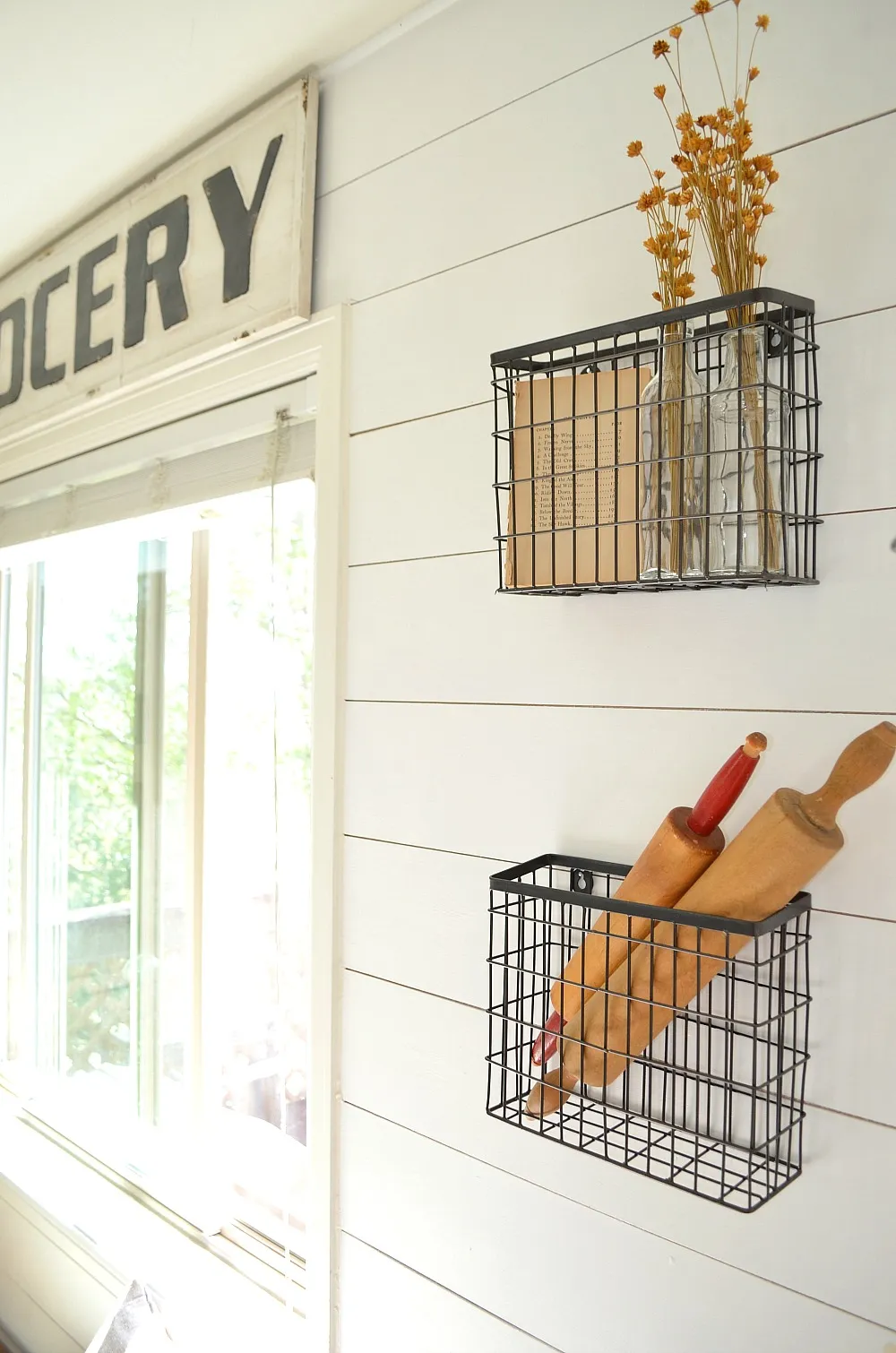
What is Farmhouse Kitchen Decor?
Farmhouse kitchen decor is a design style that embraces comfort, simplicity, and a connection to the past. It’s characterized by its warm, inviting atmosphere, often incorporating natural materials, neutral color palettes, and a sense of rustic charm. The core philosophy revolves around creating a space that feels lived-in and welcoming, perfect for both cooking and gathering. It’s about creating a space that is both functional and aesthetically pleasing, embodying a sense of timelessness and enduring appeal. The style draws inspiration from rural living, emphasizing practicality, and a relaxed, informal elegance. Farmhouse kitchens often feel like the heart of the home, a place where memories are made, and meals are shared. Think of it as a blend of rustic, vintage, and modern elements, designed to create a cozy and functional space.
Defining Farmhouse Style
Defining farmhouse style involves understanding its key characteristics, which include a focus on natural materials like wood, stone, and metal. The color palette typically revolves around neutral tones such as white, cream, beige, and gray, providing a calming backdrop for the other elements. Shiplap walls, exposed beams, and distressed finishes are also hallmarks of the style, adding to its rustic charm. Vintage or antique accents, such as old kitchen scales, enamelware, and cast iron cookware, are commonly incorporated to evoke a sense of history and character. The overall aesthetic is one of understated elegance, emphasizing simplicity and functionality over ostentation. It’s about creating a space that feels both practical and aesthetically pleasing, a place where you can relax and feel at home.
Key Elements of Farmhouse Kitchen Decor

Several elements define a farmhouse kitchen. First and foremost, the use of natural materials is crucial. Wood, in various forms, is a dominant feature, from countertops and cabinets to flooring and furniture. Stone accents, such as a farmhouse sink or a backsplash, can add texture and visual interest. Metal elements, like wrought iron or brushed nickel, often feature in lighting fixtures, hardware, and decorative accents. The color palette is another essential element, primarily consisting of neutral tones, with pops of color introduced through accessories. Open shelving is a common design feature, allowing for the display of decorative items and everyday essentials. Finally, the incorporation of vintage or antique finds adds character and a unique touch to the space. These elements come together to create the cozy and inviting atmosphere characteristic of the farmhouse style.
Color Palette & Textures
The color palette in a farmhouse kitchen typically centers around neutral tones, creating a bright, airy, and welcoming space. White is a classic choice, used on walls, cabinets, and trim to provide a clean, fresh backdrop. Cream and beige offer warmer alternatives, adding depth and coziness. Gray can be incorporated for a touch of sophistication and can be used on cabinetry or walls. To add visual interest, consider incorporating textures through materials like shiplap, beadboard, or exposed brick. These textures provide depth and dimension, preventing the space from feeling flat. Pops of color can be introduced through accessories, such as textiles, artwork, and kitchenware, adding personality and flair. The combination of neutral colors and textured elements creates a balanced and inviting aesthetic that defines the farmhouse style.
Neutral Foundation
A neutral foundation is the cornerstone of a well-designed farmhouse kitchen. This means using a base of neutral colors, primarily whites, creams, and grays, on the walls, cabinets, and flooring. This neutral backdrop allows other elements, such as furniture, accessories, and textiles, to stand out and make a statement. It also creates a sense of spaciousness and light, making the kitchen feel more open and inviting. The key to a successful neutral foundation is to vary the textures and tones. Use different shades of white or cream on the walls and cabinets, and incorporate textured elements like shiplap or beadboard. This will prevent the space from feeling monotonous and add visual interest. The neutral foundation creates a versatile canvas for your personal style to shine, allowing you to easily change the look of your kitchen by simply swapping out accessories.
Warm Wood Tones

Warm wood tones play a significant role in creating the inviting atmosphere of a farmhouse kitchen. Incorporate wood in various elements, such as countertops, flooring, open shelving, and furniture. Consider using reclaimed wood for a rustic, weathered look, adding character and history to the space. Alternatively, choose wood with a warm stain to enhance the natural grain and add a touch of elegance. The type of wood can vary, from light-toned woods like pine and maple to darker options like walnut and oak. The key is to select tones that complement the neutral color palette and provide visual warmth. Wood accents help to ground the space, creating a sense of connection to nature and adding to the cozy, lived-in feeling. Don’t be afraid to mix different wood tones to create visual interest and depth in your kitchen design.
Incorporating Natural Materials
Incorporating natural materials is essential for achieving an authentic farmhouse kitchen aesthetic. Wood is a key element, used in cabinets, countertops, flooring, and furniture, adding warmth and texture. Stone accents, such as a farmhouse sink made of soapstone or granite, add visual interest and a touch of rustic elegance. Consider using natural stone backsplashes or countertops. Metals like wrought iron or brushed nickel can be integrated through lighting fixtures, hardware, and decorative accents. Textiles made from natural fibers, like linen and cotton, bring softness and comfort to the space. The use of natural materials creates a connection to nature, fostering a sense of tranquility and authenticity. These elements combine to create a space that feels both grounded and inviting, reflecting the essence of the farmhouse style. Remember to balance the materials for harmony.
Essential Furniture & Fixtures
Essential furniture and fixtures contribute significantly to the functionality and aesthetic appeal of a farmhouse kitchen. A farmhouse sink is a classic choice, offering both practicality and visual charm. Consider a pedestal sink for a vintage feel or a more modern apron-front sink. Kitchen islands are another key element, providing extra workspace, storage, and a gathering spot for family and friends. Choose an island with a butcher-block countertop or a distressed finish to enhance the farmhouse vibe. Cabinets should feature shaker-style doors or other simple, classic designs. Open shelving is a great way to display your favorite dishes and accessories. A rustic dining table with a distressed finish and comfortable chairs completes the essential furniture, creating a welcoming space for meals and conversations. These fixtures combined help achieve the desired farmhouse look.
Farmhouse Kitchen Tables

The farmhouse kitchen table is more than just a piece of furniture, it’s the heart of the kitchen, serving as a gathering place for meals, conversations, and shared moments. Choose a table with a solid, sturdy construction, preferably made of wood. A rectangular table is a common choice, offering ample space for family and guests. Consider a distressed or weathered finish for a rustic touch, adding character and charm. If space is a constraint, a round table can create a cozy and intimate dining area. The style of the table should complement the overall farmhouse aesthetic, with simple, clean lines or a more ornate design, depending on your preference. Pair the table with comfortable chairs, such as wooden chairs with ladder backs or upholstered chairs with linen fabric, to create a welcoming and inviting dining space. The farmhouse kitchen table is a place where memories are made and cherished.
Farmhouse Kitchen Cabinetry
Farmhouse kitchen cabinetry is a crucial element of the overall design, setting the tone for the space. Shaker-style cabinets are a classic choice, characterized by their simple, recessed-panel doors. This style provides a clean, timeless look that complements the farmhouse aesthetic perfectly. Consider painting your cabinets in a neutral color, such as white, cream, or a soft gray, to create a bright and airy feel. For a more rustic touch, you can opt for distressed or weathered finishes. Open shelving is another popular option, allowing you to display your favorite dishes, glassware, and decorative items. Incorporate hardware such as cup pulls and knobs in brushed nickel or antique bronze to complete the farmhouse look. The cabinetry should be functional and well-designed, contributing to the overall charm and practicality of your farmhouse kitchen.
Lighting Fixtures
Lighting fixtures play a vital role in setting the ambiance and enhancing the functionality of a farmhouse kitchen. Opt for fixtures that combine both style and practicality. Pendant lights are a popular choice, especially over the kitchen island or dining table. Consider using fixtures with metal finishes, such as wrought iron or brushed nickel, to add a touch of rustic charm. Another option is to install a chandelier. Sconces can be used to provide additional lighting, especially in areas like the sink or above open shelving. Incorporate under-cabinet lighting to illuminate countertops and enhance the overall brightness of the space. The right lighting fixtures will not only enhance the aesthetic appeal but also create a warm and inviting atmosphere in your farmhouse kitchen.
Adding Decorative Accents

Decorative accents are essential for adding personality and character to your farmhouse kitchen. Incorporate items that reflect your personal style while staying true to the farmhouse aesthetic. Display vintage finds such as old scales, enamelware, or cast iron cookware on open shelving. Use textiles like linen dish towels, cotton curtains, and woven rugs to add softness and texture. Consider adding artwork, such as vintage prints, botanical illustrations, or handmade signs. Display fresh flowers or herbs in mason jars or rustic vases. Choose accessories that are both functional and aesthetically pleasing. These decorative accents will not only enhance the visual appeal of your kitchen but also create a warm and inviting atmosphere.
Textiles & Fabrics
Textiles and fabrics play a significant role in adding warmth, texture, and personality to a farmhouse kitchen. Choose fabrics made from natural materials, such as linen, cotton, and wool, for a soft and inviting feel. Use linen dish towels, cotton curtains, and woven rugs to add texture and visual interest. Consider adding throw pillows to chairs or benches, providing comfort and a touch of color. You can introduce patterns through textiles, such as stripes, checks, or floral prints, but keep the overall palette neutral and understated to maintain the farmhouse aesthetic. Use textiles and fabrics to soften the space and create a cozy and welcoming atmosphere, enhancing the overall charm of your farmhouse kitchen.
Vintage Finds
Incorporating vintage finds is an excellent way to add character and a sense of history to your farmhouse kitchen. Hunt for treasures at antique shops, flea markets, and online marketplaces. Look for items that reflect the farmhouse aesthetic, such as old scales, enamelware, cast iron cookware, and vintage signs. Display these finds on open shelving, countertops, or in glass-front cabinets to add visual interest and personality. Consider incorporating vintage furniture, such as a farmhouse table or a wooden bench. The key is to embrace imperfections and the character of aged items. These vintage finds add a unique touch, creating a space that feels both lived-in and stylish, embodying the charm of the farmhouse style. Mix and match old and new for a curated look.
Open Shelving & Displays

Open shelving is a defining characteristic of farmhouse kitchen design, providing both functional storage and a space to display decorative items. Install open shelves made of wood, painted in a neutral color to match your cabinets, or opt for reclaimed wood shelves for a rustic look. Use these shelves to display everyday essentials, such as dishes, glassware, and mugs, for easy access. Integrate decorative items, such as vintage finds, potted plants, and cookbooks, to add personality and style. Arrange items thoughtfully, balancing practicality and aesthetics. Open shelving adds a sense of airiness and openness to your kitchen. Proper arrangement keeps your kitchen organized and visually appealing. Open shelving allows you to showcase your personal style and add a touch of charm to your farmhouse kitchen.
Kitchen Utensils & Accessories
Kitchen utensils and accessories are crucial for both functionality and style in a farmhouse kitchen. Choose utensils made from natural materials like wood, bamboo, or stainless steel. Display them in a utensil holder on the countertop for easy access. Incorporate accessories such as mason jars, enamelware, and vintage-style canisters for storage. Use a rustic-style cutting board, a farmhouse-style sink, and a butcher block to add to the charm. Add a pop of color with textiles like dish towels and oven mitts in complementary colors. Thoughtfully selected utensils and accessories can enhance both the functionality and aesthetics of your farmhouse kitchen. Consider adding decorative items that enhance your overall design.
Best Farmhouse Kitchen Decor Ideas
Some of the best farmhouse kitchen decor ideas involve implementing the elements discussed earlier. Incorporate a farmhouse sink and open shelving. Include a rustic dining table with comfortable chairs. Use neutral colors such as white, cream, and gray. Add warm wood tones through countertops, flooring, and furniture. Display vintage finds and incorporate natural materials like stone and metal. Add decorative accents such as textiles and artwork. Focus on creating a warm, welcoming atmosphere that reflects your personal style. These combined ideas will ensure you have a cozy, functional, and stylish farmhouse kitchen.
Small Kitchen Design

Designing a farmhouse kitchen in a small space requires strategic planning and clever use of space. Opt for light, bright colors to make the space feel larger and airier. Maximize storage by utilizing every available inch, including vertical space with tall cabinets and open shelves. Choose furniture that is both functional and space-saving, such as a small round table or a kitchen island with built-in storage. Utilize the power of mirrors to reflect light and create the illusion of more space. Keep the decor minimal to avoid clutter, focusing on a few key pieces that make a statement. Focus on functionality. A well-designed, small farmhouse kitchen can be both stylish and efficient.
Large Kitchen Design
Designing a large farmhouse kitchen offers more flexibility and opportunities to create a stunning space. Consider incorporating a large kitchen island with ample workspace, seating, and storage. Divide the space into zones, such as a cooking area, a dining area, and a food prep area. Use multiple light fixtures to provide adequate lighting throughout the kitchen. Add statement pieces such as a large farmhouse table or a vintage-style hutch. Incorporate architectural details like exposed beams, shiplap walls, and a fireplace to enhance the farmhouse aesthetic. The key to a successful large kitchen design is to create a functional and inviting space that is both beautiful and practical.
Farmhouse Kitchen Decor Budgeting Tips
Decorating your farmhouse kitchen on a budget is entirely achievable. Start by prioritizing your budget and focusing on the most impactful changes. Paint is a cost-effective way to transform your kitchen; use neutral colors to create a fresh base. Shop at thrift stores, flea markets, and online marketplaces for vintage finds and unique accessories. DIY projects, such as building open shelves or repurposing old furniture, can save you money. Repurpose existing items and give them a farmhouse makeover. Consider focusing on a few key elements. With a little creativity, you can achieve a beautiful farmhouse kitchen without breaking the bank.
DIY Farmhouse Kitchen Decor Projects

DIY projects are a fun and cost-effective way to personalize your farmhouse kitchen decor. Build open shelves from reclaimed wood, or create a farmhouse-style sign with a stencil and some paint. Paint or repurpose old furniture, such as a vintage cabinet or a wooden bench. Make your own dish towels using fabric with a farmhouse theme. Create a gallery wall using vintage prints, botanical illustrations, and handmade signs. These projects will not only save you money but will also add a personal touch to your kitchen. The satisfaction of creating something with your own hands is an added bonus, making your kitchen feel even more special.