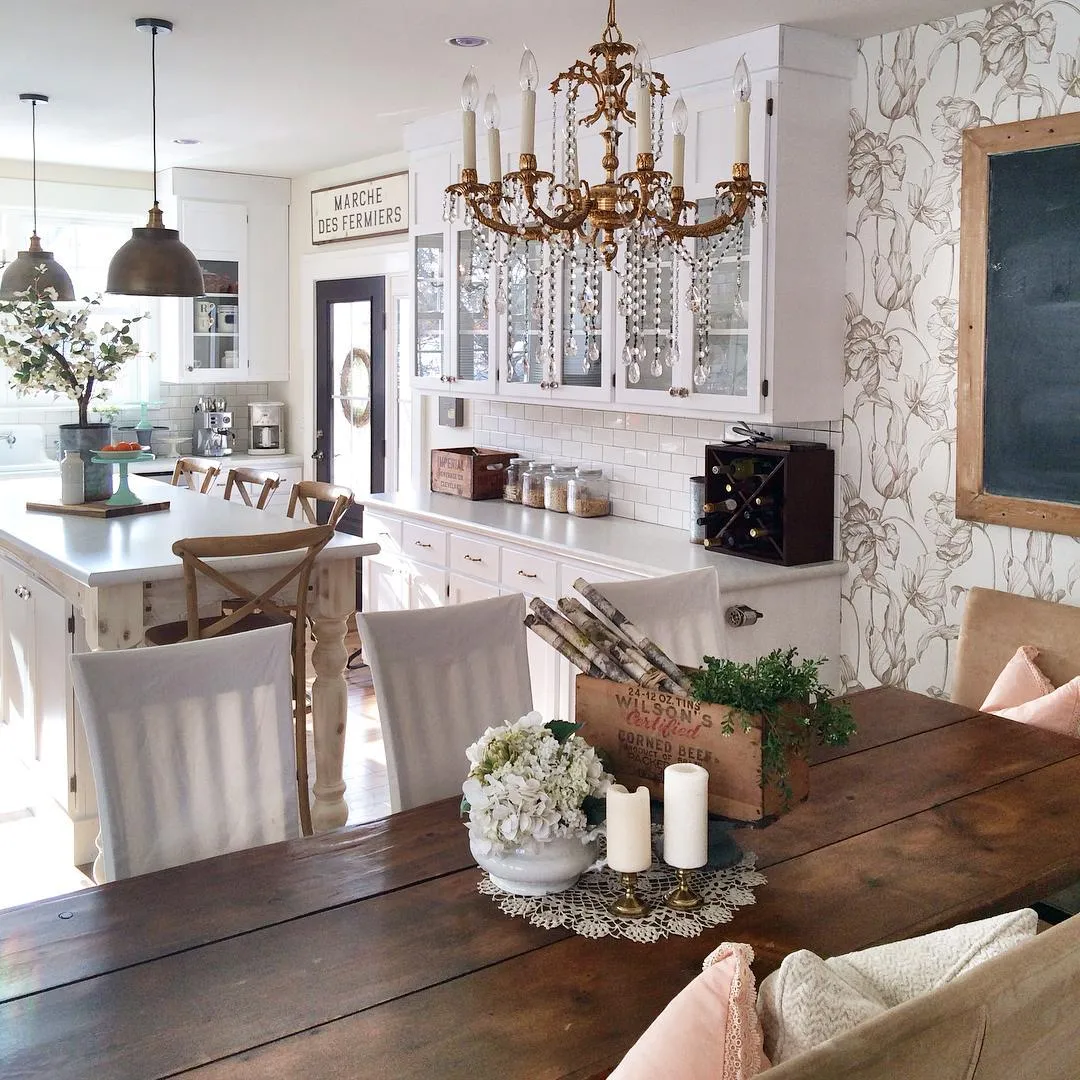
What is French Country Kitchen Decor?
French country kitchen decor is a charming and inviting style that blends rustic elements with elegant details, drawing inspiration from the rural homes of the French countryside. This design aesthetic focuses on creating a warm, welcoming space that feels both practical and aesthetically pleasing. It emphasizes natural materials, soft colors, and a lived-in feel, evoking a sense of timeless beauty and comfort. The goal is to create a kitchen that is not just a place for cooking, but also a gathering spot for family and friends, filled with character and a touch of romance. This style is perfect for those who appreciate a blend of sophistication and simplicity, offering a cozy retreat within the heart of the home. It’s a celebration of the good life, where cooking and eating are cherished experiences.
Key Elements of French Country Style
Several key elements define the French country style. First, there’s a strong emphasis on natural materials, such as wood, stone, and wrought iron. These materials add a sense of authenticity and durability to the space, connecting the interior with the beauty of the outdoors. Second, the color palette typically includes soft, muted tones like creams, whites, pale blues, and gentle greens, which create a calming and airy atmosphere. Distressed finishes are also a hallmark, adding character and a sense of history to furniture and décor. Floral patterns, toile fabrics, and vintage accessories further enhance the French country aesthetic, contributing to its romantic and timeless appeal. The blend of these elements creates a space that feels both elegant and relaxed, embodying the essence of French country living.
Color Palette and Textures

Choosing the Right Color Palette
The color palette of a French country kitchen is crucial to its overall appeal. Soft, muted colors are preferred, creating a sense of tranquility and light. Whites and creams form a perfect base, providing a clean and bright foundation that makes the space feel larger and more open. Pastels like pale blues, gentle greens, and soft yellows can be introduced through accent pieces, textiles, or wall treatments. These colors evoke the beauty of the French countryside, adding a touch of freshness and serenity. Avoid harsh or overly bright colors, as they can detract from the relaxed and inviting atmosphere. Instead, opt for colors that feel warm, welcoming, and harmoniously blend together, creating a cohesive and visually appealing space. Consider incorporating weathered or distressed finishes on furniture and cabinetry to enhance the color scheme’s authenticity.
Incorporating Natural Textures
Textures are integral to the French country style, adding depth, visual interest, and a tactile dimension to the space. Incorporate natural materials such as wood, stone, and linen to create a layered and inviting atmosphere. Wooden elements can be seen in the flooring, cabinetry, and furniture, bringing warmth and rustic charm. Stone, whether in the form of countertops, backsplashes, or decorative accents, adds a touch of grounded elegance. Linen, used for curtains, tablecloths, or upholstery, provides a soft, relaxed touch. These textures create a sense of comfort and authenticity, evoking the feel of a traditional French farmhouse. Mix and match these textures to create a visually rich environment, making the kitchen feel cozy and lived-in. The interplay of these textures will create a balance between ruggedness and refinement, enhancing the overall character of the French country kitchen.
Furniture and Cabinetry

Selecting the Right Furniture Pieces
Furniture in a French country kitchen should be both functional and aesthetically pleasing, contributing to the overall charm and comfort of the space. Choose pieces that are simple yet elegant, often with a rustic or vintage feel. A farmhouse-style table is a quintessential element, perfect for gathering with family and friends. Opt for a table made of wood with a distressed finish to add character. Chairs can range from classic wooden ladder-back chairs to upholstered options with linen or toile fabric. A freestanding buffet or hutch offers storage and a display space for decorative items. Consider adding a kitchen island with a butcher-block countertop for extra workspace and storage. Look for pieces with graceful lines, carved details, or subtle ornamentation that reflects the timeless beauty of the French countryside. The key is to balance functionality with style, creating a space that is both inviting and practical for daily use.
Cabinetry Styles and Finishes
Cabinetry plays a pivotal role in defining the look of a French country kitchen. Opt for cabinets with classic designs, such as raised panel doors or beadboard detailing, which contribute to the style’s timeless appeal. The finish is equally important; distressed or painted cabinets are a hallmark of the French country aesthetic. Consider a soft white, cream, or pale pastel color to create a bright and airy feel. The distressing technique, which involves sanding the edges and surfaces to create a worn look, adds character and a sense of history to the cabinets. Alternatively, you can opt for natural wood cabinets with a slightly weathered finish. Hardware, such as antique brass or wrought iron knobs and pulls, completes the look, adding a touch of elegance and authenticity. The cabinet style and finish should harmonize with the overall design, contributing to the cozy and inviting atmosphere of the kitchen.
Decorating with Accessories

Adding Rustic Accessories
Accessories are essential in adding personality and character to a French country kitchen. Embrace rustic elements to create an authentic and inviting space. Vintage or antique pieces, such as ironstone pitchers, enamelware, and copper pots, can be displayed on open shelving or countertops, adding a touch of history and charm. Wrought iron accents, like pot racks or candle holders, enhance the rustic appeal. Wooden cutting boards, breadboards, and rolling pins are both functional and decorative. Consider incorporating elements from the garden, like dried herbs, lavender bundles, or fresh flowers in ceramic vases, to bring the outdoors in. These accessories should be carefully chosen to complement the overall design, contributing to the kitchen’s warm and welcoming atmosphere. The goal is to create a space that feels lived-in and loved, reflecting a sense of timeless beauty and simple elegance.
Choosing Textiles and Fabrics
Textiles and fabrics play a significant role in softening the space and adding warmth to a French country kitchen. Linen is a perfect choice for curtains, tablecloths, and chair cushions, offering a relaxed and elegant touch. Toile fabrics, with their classic pastoral scenes, add a romantic and traditional element. Floral patterns and gingham checks can be incorporated through curtains, dish towels, and seat cushions, enhancing the kitchen’s charm. Choose fabrics in soft, muted colors that complement the overall color scheme, such as creams, blues, and greens. Consider layering different textures and patterns to create visual interest and depth. Fabric choices should evoke a sense of comfort and coziness, making the kitchen feel inviting and lived-in. The right textiles can transform a space, adding a touch of French countryside elegance and creating a warm and welcoming environment.
Lighting and Ambiance
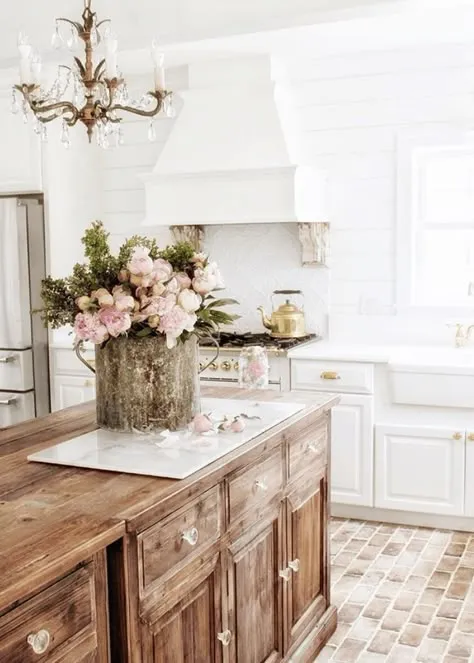
Importance of Good Lighting
Lighting is crucial in creating the right ambiance in a French country kitchen. The right lighting can enhance the beauty of the design, making the space feel warm and inviting. Consider a mix of lighting sources to achieve the desired effect. Overhead lighting can include chandeliers with a rustic or vintage feel, such as those with wrought iron or distressed wood details. Task lighting, like pendant lights over the island or sink, provides focused illumination for specific areas. Add accent lighting, such as sconces or small lamps, to highlight decorative elements or create a cozy atmosphere. The choice of lighting fixtures should complement the overall aesthetic of the kitchen, reflecting the blend of rustic and elegant elements characteristic of French country style. Select warm-toned bulbs to create a welcoming and inviting atmosphere, perfect for cooking, dining, and spending time with loved ones.
Creating a Cozy Ambiance
Creating a cozy ambiance is at the heart of French country kitchen design. The goal is to transform the kitchen into a warm, welcoming space. The use of soft, natural light, from both windows and lighting fixtures, helps create a relaxed and inviting atmosphere. Incorporate elements that evoke comfort, like comfortable seating, soft textiles, and decorative items that reflect personal style. Displaying family heirlooms, vintage pieces, or handmade crafts can add a personal touch and make the kitchen feel lived-in and loved. Consider incorporating elements like a fireplace or a wood-burning stove to add a touch of warmth and nostalgia. The overall ambiance should be one of relaxed elegance, where family and friends can gather, cook, and enjoy each other’s company in a space that is both beautiful and functional.
French Country Kitchen: Inspiration from Pinterest

Pinterest is an excellent resource for gathering inspiration and ideas for French country kitchen decor. The platform offers a wealth of images, ideas, and DIY projects to help you create your dream kitchen. Search for keywords like “French country kitchen,” “rustic kitchen,” or “farmhouse kitchen” to discover a variety of styles and elements. Browse through images to gather ideas for color palettes, furniture styles, cabinet designs, and accessory choices. Create a Pinterest board to organize your favorite ideas and save them for future reference. You can find inspiration for everything from small updates, like changing hardware or adding a new backsplash, to complete kitchen renovations. Pinterest also provides links to tutorials and articles, offering practical advice and step-by-step instructions to help you bring your vision to life. By leveraging Pinterest, you can gather ideas, and inspiration, and create a personalized mood board to guide your design choices, making the process both enjoyable and rewarding.