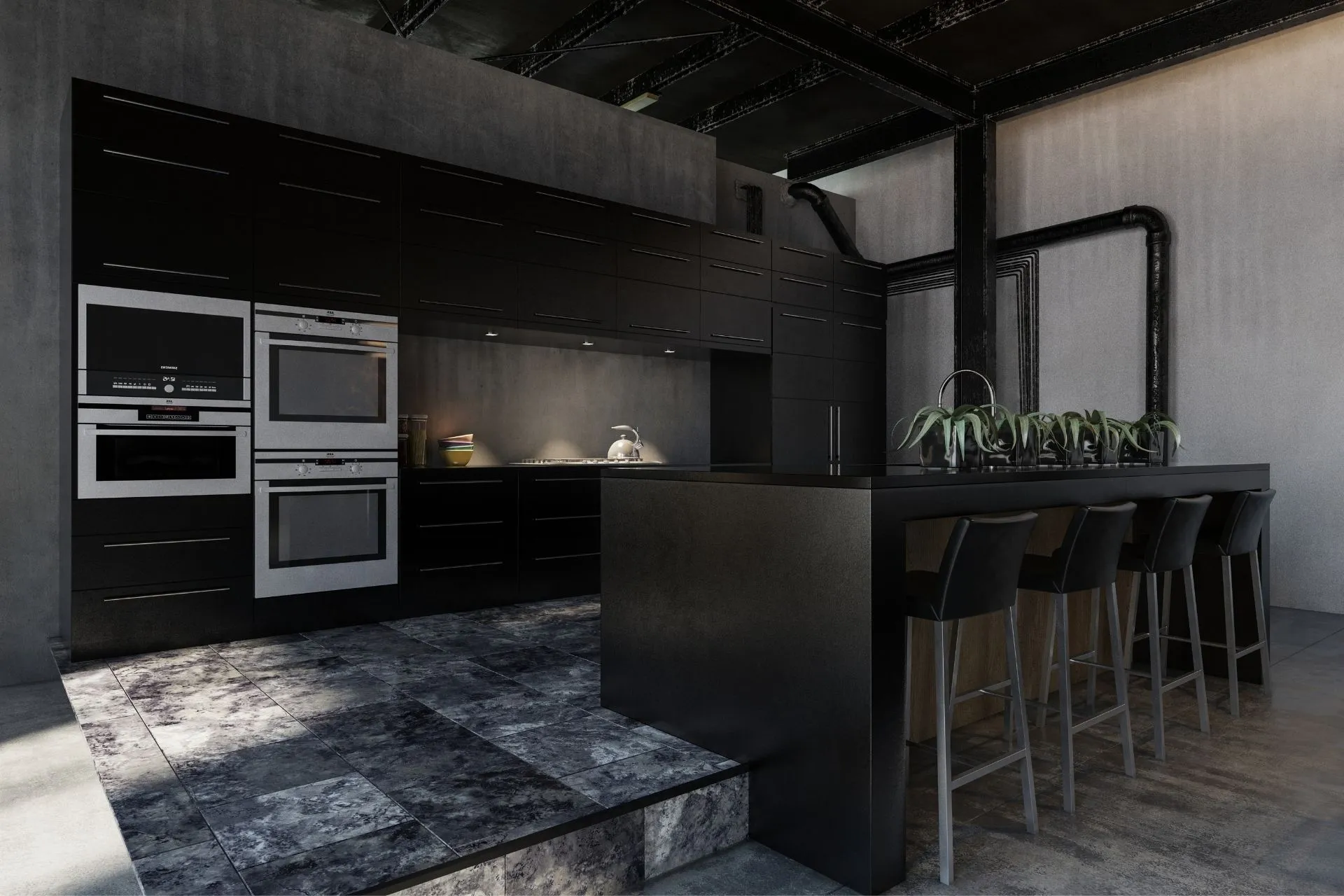
Embracing Gothic Kitchen Decor
Gothic kitchen decor is a bold and dramatic design choice that can transform your cooking space into a stunning and mysterious environment. It’s a style that embraces the beauty of darkness, incorporating rich colors, ornate details, and a touch of the macabre. If you’re drawn to the allure of the unconventional and want to create a kitchen that reflects your unique personality, Gothic design is a perfect choice. This article will guide you through seven stunning ideas to help you create a captivating gothic kitchen, turning your culinary space into a true statement of style.
Dark Color Palette for Gothic Kitchens
The foundation of any Gothic kitchen is its color palette. Think beyond the typical light and airy kitchen schemes and embrace the richness of dark, saturated hues. This style thrives on a sense of mystery and drama, best achieved through the use of deep colors. This doesn’t mean your kitchen needs to feel small or cramped; the right combination of colors and lighting can create an inviting, rather than oppressive, atmosphere. Consider how each color affects the space and the overall mood you wish to convey.
Black and Deep Hues

Black is a quintessential color in Gothic design, symbolizing elegance and sophistication. Incorporate black cabinets, countertops, or even an entire black kitchen island to anchor the space. Balance the darkness with shades like deep reds (burgundy, oxblood), purples (eggplant, amethyst), and greens (forest, emerald). These colors, when used thoughtfully, add depth and richness. Avoid excessive use of bright, contrasting colors; the key is to create a cohesive and moody ambiance, choosing colors that complement each other rather than compete. For example, use a combination of black cabinets and deep red walls for a dramatic effect.
Moody Lighting is a Must
Lighting plays a crucial role in setting the atmosphere of a Gothic kitchen. The goal is to create a dimly lit, yet inviting space, where shadows dance and every detail stands out. Overly bright overhead lighting will diminish the impact of your design. Instead, use a combination of ambient, task, and accent lighting to create layers of illumination. Consider the purpose of each light fixture and its position in the room to enhance the overall feel. You will want to find a balance between functionality and creating a mysterious ambiance.
Statement Lighting Fixtures
Chandeliers, sconces, and pendant lights are essential. Choose fixtures with ornate designs, such as wrought iron, crystal, or antique-style fixtures. A large, dramatic chandelier over the kitchen island can serve as a focal point, casting interesting shadows and adding an air of elegance. Wall sconces with a gothic flair can be placed around the room to provide accent lighting, and pendant lights over the countertops will add another layer to the lighting scheme. The style of each light should complement each other and the other gothic elements in the space. Don’t be afraid to be bold with your choices!
Candles and Lanterns

No Gothic kitchen is complete without candles and lanterns. Place them on countertops, shelves, and the dining table to create a warm, inviting glow. Choose candles in varying heights and styles, such as tapers in antique holders, pillar candles, or even electric candles to mimic the effect of candlelight. Lanterns can add a touch of history, and their intricate designs can become a beautiful addition to the overall décor. Consider the placement and type of candle and lantern to maximize the effect.
Gothic Furniture and Cabinetry
The choice of furniture and cabinetry is fundamental in a Gothic kitchen. Look for pieces with strong lines, dark finishes, and ornate details. Choose furniture that is both functional and stylish, reflecting the overall gothic aesthetic. Consider the shape of the pieces and their ability to enhance the space. This creates a sense of luxury and tradition, essential elements of Gothic design.
Ornate Details and Carvings
Cabinetry with intricate carvings, raised panels, and dark finishes is a staple. Consider adding decorative corbels, moldings, and other architectural details to enhance the gothic vibe. Furniture pieces, such as a kitchen island with carved legs or a dining table with gothic-inspired accents, can elevate the space. Intricate detailing is a defining characteristic of Gothic design; ensure it is incorporated consistently for an authentic look. These details add texture, depth, and a sense of history to the room.
Choose the Right Hardware

The hardware is a small detail that can have a big impact. Opt for knobs and pulls made of wrought iron, antique brass, or other dark, metallic finishes. The hardware should complement the style of the cabinetry and the overall design. Avoid modern or overly minimalist hardware, as it will clash with the Gothic aesthetic. Decorative handles with intricate patterns or gothic-inspired shapes can be used to add a unique touch. Hardware adds the finishing touch to all the details and helps create a unified design.
Accessorizing with Gothic Elements
Accessories add the finishing touches to your Gothic kitchen. Choose pieces that complement your overall design. These items can include artwork, tableware, and other decorative elements. When selecting accessories, always consider how they will work with the established design, and how they will contribute to the overall aesthetic.
Incorporate Gothic Artwork
Artwork is a crucial element in a Gothic kitchen. Choose pieces with dark, dramatic themes, such as portraits, landscapes, or still lifes. Consider using antique mirrors with ornate frames or adding gothic-inspired sculptures or figurines. Artwork can add personality and character to your kitchen. It can also serve as a focal point, drawing attention and enhancing the overall aesthetic. The style of artwork can depend on your personal taste.
Dark Tableware and Linens
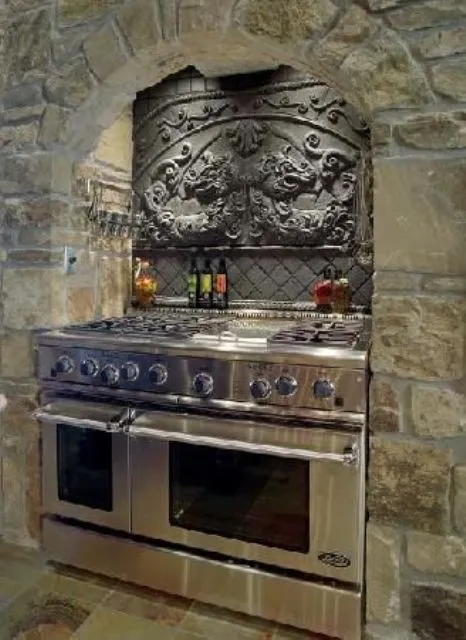
Dark-colored tableware and linens can enhance the mood of a gothic kitchen. Choose plates, bowls, and cutlery in shades of black, deep red, or dark gray. Consider using antique or vintage pieces with intricate patterns. Table linens, such as tablecloths and napkins, should match the color scheme. Textured fabrics can add to the overall style. These small details will give the space a cohesive feel. They will also serve as an eye-catching addition to the overall design.
Metallic Accents
Metallic accents, such as bronze, copper, or gold, can add a touch of elegance and sophistication. Use these accents sparingly, such as in light fixtures, hardware, or decorative items. The contrast between the dark colors and the metallic accents can create a luxurious feel. These accents are a great way to add a touch of glamour to your Gothic kitchen. Make sure you don’t overdo it; a little goes a long way when it comes to metallic elements.
Balance and Cohesion in Gothic Kitchens
When designing a Gothic kitchen, it’s crucial to strike a balance between drama and functionality. The goal is to create a space that is both visually stunning and practical. Use the dark colors and ornate details in moderation, balancing them with lighter elements and minimalist touches. A well-designed kitchen will create a cohesive design that reflects the Gothic aesthetic while remaining functional and enjoyable.
Creating a Functional Gothic Kitchen

Functionality is key, even in a Gothic kitchen. Consider the layout of your kitchen, and ensure that the work triangle (sink, stove, and refrigerator) is efficient. Choose appliances that blend with the overall design, such as black stainless steel or vintage-inspired models. Despite the gothic aesthetic, the kitchen must remain a practical space. Focus on the utility of the kitchen, while maintaining the desired style. Make sure to incorporate ample storage, and choose materials that are durable and easy to clean, ensuring that your Gothic kitchen is both stylish and functional.