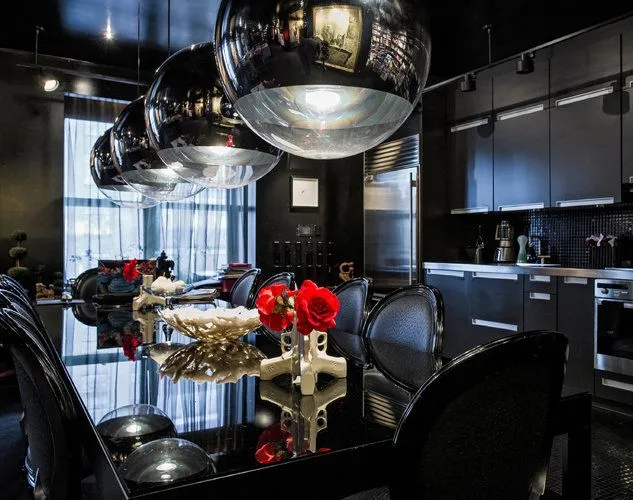
Embracing the Gothic Kitchen Decor Aesthetic
Gothic kitchen decor transforms the heart of your home into a captivating sanctuary, embracing a style that is both mysterious and inviting. It’s about creating an atmosphere that evokes a sense of history, drama, and a touch of the macabre, all while maintaining functionality. The key is to balance the elements of darkness with touches of elegance and sophistication. This aesthetic isn’t just about the visual; it’s about the feeling the space evokes, offering a unique and personal experience that sets your kitchen apart. The love for this style stems from its ability to create a bold statement, moving away from the mundane and into a realm of artistic expression.
Dark Color Palette
The foundation of any gothic kitchen is the color palette. Embrace deep, rich hues that set the mood. Think of colors like charcoal gray, deep burgundy, forest green, and even black. These colors create a sense of intimacy and depth, providing a dramatic backdrop for your other design elements. The use of dark colors doesn’t mean your kitchen has to be gloomy; it’s about using these shades to create a sense of luxury and sophistication. These colors work best to set the mood for a gothic theme.
Choosing the Right Paint Colors

When selecting paint colors, consider the natural light in your kitchen. If your kitchen has limited natural light, opt for lighter shades of the darker colors or use them strategically as accent walls. Matte finishes are often preferred in gothic decor as they absorb light and enhance the mysterious feel. For a touch of elegance, consider using a satin finish on cabinets, which offers a slight sheen. When choosing paints, always test the colors in your kitchen to see how they look at different times of the day. You can use deep reds, blacks, greys, but always in a good combination.
Incorporating Dark Wood
Dark wood is a cornerstone of gothic style, bringing warmth and richness to the space. Consider incorporating dark wood elements through your cabinets, flooring, or even the kitchen island. The wood should preferably be stained in dark shades like ebony, walnut, or mahogany. The natural grain of the wood adds texture and visual interest, preventing the space from feeling flat. Ensure the wood is sealed properly to protect it from moisture and wear and tear. The use of dark wood helps tie the gothic kitchen decor together.
Adding Dramatic Lighting
Lighting is essential in gothic kitchen decor, playing a crucial role in setting the ambiance. It’s not just about illuminating the space; it’s about creating an atmosphere. Layer your lighting to achieve the desired effect. Combine ambient lighting from chandeliers or pendants with task lighting over countertops and the cooking area. The goal is to create pools of light and shadow, enhancing the drama and mystique of the kitchen.
Chandeliers and Fixtures

Chandeliers are a quintessential element of gothic decor, adding elegance and grandeur. Look for chandeliers with intricate designs, wrought iron details, or crystal accents. Pendants with a vintage or antique look can also be used to create a similar effect. Make sure the fixtures are appropriately sized for your kitchen. A statement chandelier above the kitchen island will act as a stunning focal point. Don’t be afraid to think outside the box.
Candles and Ambient Light
Candles and ambient lighting are key to achieving the gothic mood. Place candelabras, candlesticks, or lanterns on countertops and shelves. The soft glow of candles creates a warm and inviting atmosphere. Opt for LED candles for safety and convenience. Supplement the candles with low-wattage bulbs in your fixtures to create a subtle, atmospheric glow. You can make your kitchen look like you travelled back in time.
Selecting Gothic-Inspired Furnishings
The furniture you select should complement the gothic theme. The furniture can bring the kitchen to life, so you must have the right one. Choose pieces with strong lines, ornate details, and a sense of history. Think of dark wood tables, chairs with high backs, and perhaps a vintage-style sideboard or buffet. Look for furniture with carved details, such as gothic arches or fleur-de-lis patterns. Incorporate furniture that adds to the drama.
Choosing Kitchen Cabinets

Kitchen cabinets are a significant part of gothic kitchen decor. Choose cabinets with a dark finish, such as ebony, walnut, or a deep gray. Consider cabinets with intricate carvings or raised panel designs. For a more modern take, opt for sleek, dark cabinets with minimal ornamentation. The cabinets have to be able to store everything you have while staying true to the gothic theme. Consider the cabinet hardware that will best fit the theme you have selected.
Selecting the Right Hardware
Hardware can make a huge difference in your kitchen. Select hardware that enhances the gothic aesthetic. Look for handles and knobs made of wrought iron, antique brass, or pewter. Choose designs that reflect gothic architectural elements, such as pointed arches or fleur-de-lis. Ensure the hardware complements the cabinets and the overall design. The hardware selection is very important in gothic kitchen design.
Accessorizing with Gothic Elements
Accessories are key to bringing your gothic kitchen decor to life. These details add personality and authenticity to your space. Incorporate decorative pieces, textiles, and fabrics that align with the gothic theme. Don’t be afraid to embrace your dark side, and make your kitchen the best it can be.
Decorative Pieces

Decorative pieces can add unique touches. Add gothic-inspired art, such as portraits, landscapes, or still lifes with dark, dramatic themes. Place ornate mirrors with antique frames. Display vintage or antique kitchenware, such as pewter goblets, silver trays, or ceramic dishes with intricate patterns. Don’t overdo it, keep the space from looking cluttered. Make sure that every item fits with the overall theme.
Textiles and Fabrics
Textiles and fabrics can bring a unique look to your kitchen. Incorporate rich, luxurious fabrics. Use velvet, damask, or brocade for curtains, chair cushions, or tablecloths. Choose colors that complement your overall color scheme. Consider incorporating patterns that reflect gothic design elements, such as fleur-de-lis or damask. The textiles and fabrics can add warmth and personality. You can choose to create a gothic feel or a renaissance era feel.
Maintaining the Gothic Kitchen Decor
Maintaining the gothic kitchen decor is essential to preserving its allure. Regularly clean and dust the surfaces to prevent build-up and keep the space looking its best. The dark colors can make dust and smudges more visible, so routine cleaning is important. Protect wood surfaces with appropriate cleaners and avoid harsh chemicals. Regularly check and replace light bulbs to ensure the dramatic lighting is maintained. With some simple maintenance, your gothic kitchen will remain a captivating and inviting space for years to come. The key is to create a space that is both dramatic and practical.