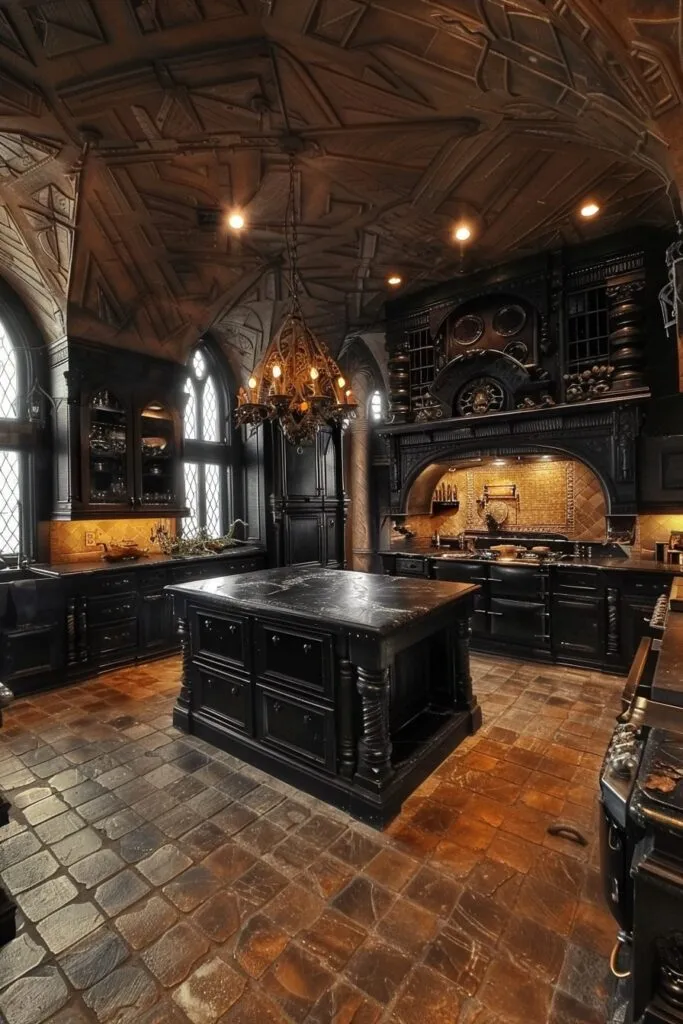
Unveiling Gothic Kitchen Decor
Gothic kitchen decor transforms the heart of your home into a space of dramatic elegance and timeless beauty. It’s a style that embraces the mysterious and the opulent, drawing inspiration from the architectural marvels of the Gothic period. Think soaring arches, intricate detailing, and a touch of the macabre, all softened with a sense of refined luxury. This design approach isn’t just about aesthetics; it’s about creating an atmosphere that evokes both comfort and awe, a place where you can dine in an environment that feels both historic and uniquely personal. The allure of Gothic kitchen decor lies in its ability to blend grandeur with functionality, creating a space that is both inviting and unforgettable.
The Allure of Gothic Design
The Gothic aesthetic, born from the medieval era, is characterized by its bold and dramatic features. High ceilings, pointed arches, and detailed ornamentation are hallmarks of this style. In the context of a kitchen, this translates to a space filled with dark wood tones, ornate carvings, and imposing furniture. Gothic design is not for the faint of heart; it’s a statement of individuality and a celebration of the extraordinary. It invites you to step away from the mundane and into a world of rich textures, deep colors, and a sense of history. The allure also stems from its versatility; Gothic can be adapted to fit various spaces and personal styles, blending the old with the new to create a truly unique environment.
History of Gothic Kitchen Decor

The roots of Gothic design can be traced back to the 12th century in Europe, where it emerged as a reaction to the Romanesque style. Characterized by soaring cathedrals with pointed arches, ribbed vaults, and intricate stained glass, the Gothic period celebrated artistry and spiritual grandeur. This architectural style influenced all aspects of life, including interior design. While true Gothic kitchens were not common, the principles of the style – darkness, grandeur, and detailed craftsmanship – influenced the decor of the era. Today, Gothic kitchen decor takes inspiration from this historical period, updating it for modern living while retaining the essence of its dramatic roots.
Top 5 Design Secrets to Gothic Kitchen Decor
Creating a Gothic kitchen involves a delicate balance of historical inspiration and modern practicality. It’s about understanding the key elements that define this style and incorporating them in a way that feels both cohesive and personal. To help you achieve your dream Gothic kitchen, here are five secrets that will guide you through the design process. From choosing the right color palette to selecting the perfect furniture and accessories, these tips will enable you to transform your kitchen into a space that exudes elegance and intrigue. Each secret builds upon the last, ensuring that your kitchen will be a true reflection of the Gothic aesthetic.
Secret 1 Choosing the Right Color Palette
The color palette is the foundation of any Gothic design. Think deep, rich hues that create a sense of drama and mystery. Avoid bright, cheerful colors in favor of shades that evoke a sense of history and intrigue. Dark colors can transform a room, making it feel more intimate and luxurious. The key is to create a space that is both visually striking and inviting.
Dark and Moody Colors

Embrace deep colors like charcoal, black, deep reds, and forest greens. These colors create a sense of depth and enhance the feeling of mystery that is central to Gothic design. They provide a dramatic backdrop for your furniture and accessories, making them stand out. The darker the color, the more intimate and luxurious the space feels. Consider painting your walls in a deep charcoal or a dark emerald green to start.
Earthy Tones and Accents
Balance the darker tones with earthy accents. Incorporate warm browns, creams, and muted golds to add warmth and prevent the space from feeling too cold or stark. These lighter shades can be used on ceilings, trim, or in the form of accent pieces like artwork or textiles. The goal is to create a harmonious blend of dark and light, adding depth and visual interest to the kitchen.
Secret 2 Selecting Tables and Chairs
The table and chairs are central to the Gothic kitchen, serving both functional and aesthetic purposes. Opt for furniture with strong lines, intricate details, and a sense of history. The table should be substantial, potentially made of dark wood, and the chairs should complement it with similar design elements. Consider the shape and size of your space, ensuring that the furniture fits comfortably without overcrowding the area.
Gothic Table Styles

Look for tables with strong, imposing silhouettes. A solid, dark wood table with carved legs or a detailed base immediately conveys the Gothic style. Consider a rectangular or oval table to complement the space. The tabletop should be sturdy and capable of withstanding everyday use. Antique or vintage tables are ideal, but if you can’t find one, many modern replicas are available.
Gothic Chair Styles
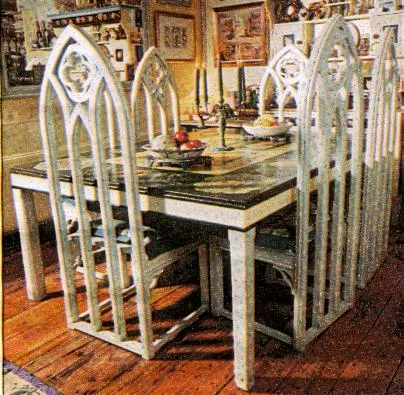
Choose chairs that match or complement the table, with a focus on detail and craftsmanship. Look for chairs with high backs, ornate carvings, or upholstered seats in rich fabrics like velvet or leather. Consider incorporating chairs with arms for added luxury. The chairs should be comfortable as well as stylish, creating a dining experience that combines both elegance and practicality. The chairs should be visually striking and blend seamlessly with the overall design of the kitchen.
Secret 3 Incorporating Lighting
Lighting is crucial in Gothic design; it creates the mood and enhances the ambiance. Choose fixtures that are both functional and decorative. Combine ambient, task, and accent lighting to create layers of illumination, emphasizing the architectural details and adding depth to the space. Lighting should set the tone, making your kitchen both inviting and atmospheric.
Chandeliers and Pendant Lights

Chandeliers and pendant lights are perfect for introducing a touch of grandeur. Look for fixtures made of wrought iron, bronze, or other dark metals. Chandeliers with intricate details, such as crystals or candle-like bulbs, are ideal. Pendant lights can be used over the kitchen island or dining table to provide focused light. The goal is to use lighting fixtures as both functional elements and design features.
Candles and Ambient Lighting
Incorporate candles and other forms of ambient lighting to create a warm and inviting atmosphere. Place candles on the table, countertops, or shelves. Use dimmer switches to control the intensity of the lights, allowing you to adjust the ambiance to your liking. These soft light sources add to the overall sense of mystery and create a romantic atmosphere.
Secret 4 Accessorizing with Gothic Elements
Accessories are the final touch in creating a Gothic kitchen. Choose items that reflect the style, such as antique mirrors, ornate picture frames, and gothic-inspired artwork. This ensures the kitchen design is cohesive and contributes to the overall theme. Each item should add to the overall aesthetic without being distracting. They also bring a sense of personality to the space.
Decorative Items and Artwork

Select decorative items that reflect the Gothic aesthetic. Consider antique mirrors, wrought iron candle holders, and ornate picture frames. Artwork depicting historical scenes, gothic architecture, or portraits adds to the atmosphere. Display these items strategically to enhance the visual interest of the space and add to the historical charm. Decorative items should reflect your personal style.
Textiles and Fabrics
Incorporate textiles with rich textures and patterns. Use velvet, brocade, or damask fabrics for upholstery, curtains, and table linens. Choose dark, dramatic colors or patterns that complement the overall design. These textiles add warmth and luxury to the kitchen. Consider using fabrics with historical patterns or designs to further emphasize the Gothic aesthetic.
Secret 5 Adding a Modern Twist
While the Gothic style is steeped in history, it can be updated with modern elements. This ensures that the kitchen is functional and stylish. Blend the best of both worlds to create a kitchen that reflects your personal style. Modernizing your Gothic kitchen can create a functional space.
Balancing Gothic with Modernity
Integrate modern appliances and amenities to create a functional space. Consider sleek, stainless steel appliances or incorporate modern technology. This will create a balance between the historical and the contemporary. Ensure that the modern elements blend seamlessly with the Gothic features.
Integrating Technology and Functionality
Ensure that your Gothic kitchen is practical by incorporating modern conveniences. This could include a modern oven, refrigerator, or dishwasher. When selecting appliances, choose designs that complement the overall style, such as black stainless steel or concealed units. This blend of modern functionality and gothic aesthetics will result in a beautiful and practical kitchen.
Conclusion The Gothic Kitchen
Gothic kitchen decor is more than just a design choice; it’s an expression of personality and a celebration of history. By following these five secrets, you can transform your kitchen into a space that is both elegant and inviting. The key is to embrace the dramatic elements of the Gothic style while incorporating modern conveniences. The result will be a kitchen that stands out. Your Gothic kitchen will be a place where you can enjoy a meal or relax in an atmosphere filled with mystery and charm. So, begin your journey into the world of Gothic design and create a kitchen that is uniquely yours.