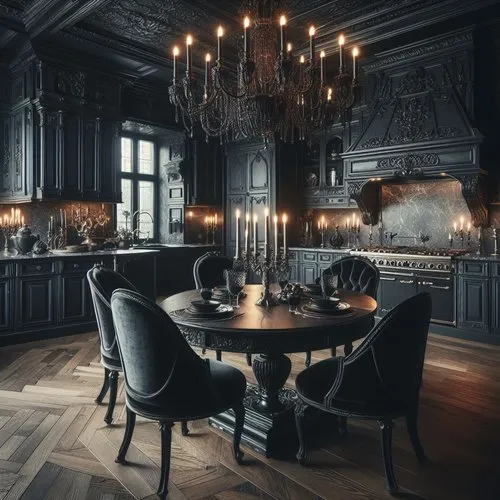
Gothic Kitchen Walls Design Ideas
Transforming your kitchen into a gothic sanctuary is an exciting endeavor, allowing you to blend history, drama, and elegance. The gothic style, characterized by its dark color palettes, intricate details, and an air of mystery, can create a unique and captivating atmosphere in your kitchen. This article unveils the top 5 design ideas to help you achieve a stunning gothic kitchen, focusing on wall decor to set the perfect tone. From choosing the right colors and materials to incorporating gothic elements and lighting, you’ll find inspiration and practical tips to bring your vision to life.
Embracing the Gothic Aesthetic
The gothic aesthetic is all about creating a sense of depth, richness, and a touch of the dramatic. This is achieved through careful selection of colors, materials, and details. It’s about evoking a sense of history and storytelling, bringing in elements that reflect the grandeur and mystique of the gothic era. The key is to embrace the darker side while maintaining a balance that feels inviting rather than oppressive. By understanding the core principles, you can create a space that is both aesthetically pleasing and true to the gothic spirit.
Color Palette and Mood

The color palette is the foundation of any gothic kitchen. Think deep, rich, and moody hues that create a sense of drama and sophistication. These colors provide the perfect backdrop for the other elements of your design. The right colors not only set the tone but also significantly impact the overall feel of your kitchen, helping to create a space that is both stylish and inviting. The interplay of light and shadow is an essential aspect of gothic design, and the color scheme you choose will play a crucial role in achieving this effect.
Dark and Dramatic Colors
Consider deep blacks, charcoal grays, and burgundy reds for your walls. These colors instantly create a gothic ambiance, evoking a sense of mystery and elegance. Dark greens, such as forest or hunter green, and deep blues, like navy or sapphire, can also work wonderfully. The key is to choose colors that complement each other and the other elements in your kitchen, creating a cohesive and balanced look. You can use these colors on walls, cabinets, or even accent pieces to achieve the desired effect.
Texture and Material
Textures are key in a gothic kitchen. Think about textured wallpapers with subtle patterns, or exposed brick or stone walls for added depth and visual interest. Velvet, leather, and dark wood finishes can also enhance the gothic feel. These materials can add a sense of luxury and sophistication to your kitchen, contrasting with the darker color palette. Consider using textured paint techniques or adding wainscoting to further enrich the design. Remember to balance these textures to prevent the space from feeling overwhelming.
Incorporating Gothic Elements

Now for the fun part! Integrating gothic elements is essential to achieve the look you want. This is where you can start using your decorative wall pieces to complement the gothic theme. Look for wall decor featuring architectural details like arches, gargoyles, and ornate frames. Also, crosses, skulls, or medieval-inspired artwork can add to the gothic vibe. Antique mirrors with elaborate frames are also perfect for reflecting light and adding a touch of elegance. These details will define your space.
Wall Decor Ideas
When it comes to wall decor, antique mirrors, wrought iron accents, and framed artwork are your best friends. Consider a gallery wall featuring dark, moody artwork or prints that reflect the gothic style. Tapestries or velvet wall hangings can also add texture and a touch of luxury. Choose pieces that tell a story, and don’t be afraid to mix and match different styles and periods to create an eclectic, gothic-inspired look. Consider using wall sconces with candelabra bulbs to add to the ambiance.
Choosing the Right Furniture
The furniture you choose should complement your gothic wall decor. Dark wood cabinets, a large dining table with ornate legs, and upholstered chairs with high backs can enhance the gothic theme. Incorporate vintage or antique pieces to add character and history. Consider a gothic-style chandelier over your dining table to complete the look. The aim is to create a cohesive space that reflects the gothic style from the walls to the furniture.
Lighting and Ambiance
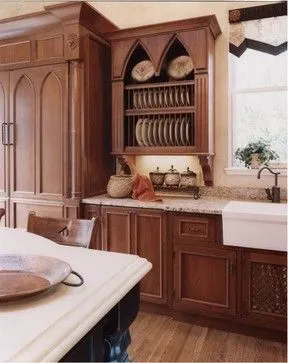
Lighting is a crucial element in setting the mood for your gothic kitchen. The right lighting can create a dramatic and inviting atmosphere. Consider the role of light and shadow, and think about how you can use different types of lighting to achieve the desired effect. Proper lighting can amplify the gothic ambiance.
Types of Lighting
Chandeliers, wrought iron sconces, and pendant lights with dark finishes are perfect for a gothic kitchen. Use dimmable lights to adjust the ambiance and create a sense of mystery. Candelabra-style lighting is a great choice, as it adds a touch of medieval elegance. Recessed lighting can also be used to highlight specific features, such as artwork or architectural details. Ensure your lighting complements your chosen color palette and materials.
Creating a Gothic Vibe
The key to creating a successful gothic kitchen is to balance the elements while keeping a sense of coherence. The goal is not to make the kitchen feel dark and gloomy, but to infuse it with character, history, and a touch of drama. It’s about finding the right balance between the dark and the light. This involves careful consideration of all the design elements, from colors and materials to lighting and accessories. The result is a space that is both beautiful and functional, reflecting the unique personality of the homeowner.
Combining Gothic with Modern

You don’t need to go all-in on the gothic style to create a beautiful kitchen. Blending gothic elements with modern design can result in a stunning and functional space. Use dark wall colors, such as charcoal gray or navy, and pair them with sleek, modern cabinetry in a lighter color. Add gothic-inspired accents like wrought iron hardware or a statement chandelier to create a contrast. This blend offers a balance between classic and contemporary styles, creating a sophisticated look that is both unique and inviting. This approach combines the best of both worlds.
Accessorizing Your Kitchen
Accessorizing is where you can really personalize your gothic kitchen. Choose accessories that reflect your style and add to the overall aesthetic. Consider wrought iron candlesticks, antique silverware, and dark-colored glassware. Incorporate elements like gothic statues, ornate picture frames, or even a vintage clock to add interest. Don’t forget to add touches of greenery with dark-leaved plants to bring life into the space. The right accessories can transform your kitchen.
Tips and Tricks
When designing your gothic kitchen, remember to start with the walls as they set the tone. Experiment with paint samples and textures to find the perfect look. Don’t be afraid to mix old and new, creating a curated space that tells a story. Pay attention to the details, from hardware to lighting, as they can make a big difference. Most importantly, ensure that the space is functional and fits your lifestyle. By following these tips, you can create a stunning and unique gothic kitchen.
In conclusion, designing a gothic kitchen requires careful planning and attention to detail. From choosing the right color palette and materials to incorporating gothic elements and lighting, every aspect contributes to the overall ambiance. With these top 5 design ideas, you can transform your kitchen into a captivating space that reflects your unique style and appreciation for gothic design. By embracing the dark, the dramatic, and the elegant, you can create a kitchen that is both functional and a true work of art. Start creating your gothic kitchen today!