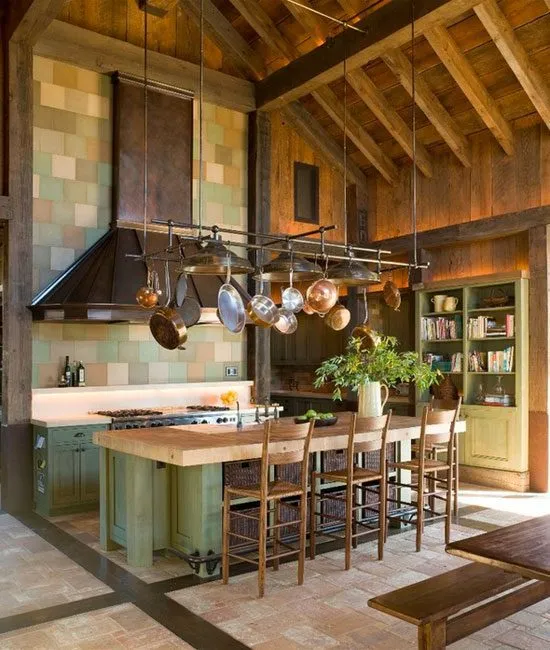
Planning Your High Ceiling Kitchen Decor
Designing a kitchen with high ceilings presents a unique opportunity to create a dramatic and functional space. The extra vertical space allows for creative design choices, from the use of oversized lighting fixtures to the incorporation of tall cabinets and open shelving. However, proper planning is essential to avoid the space feeling cavernous or poorly proportioned. The goal is to create a cohesive and inviting environment that maximizes both aesthetics and practicality. Before diving into specific design elements, it’s crucial to consider the overall flow and functionality of your kitchen. Think about how you use the space daily and how you can optimize it for cooking, entertaining, and storage. This initial planning stage will set the foundation for a successful high ceiling kitchen decor project.
Assess Your Kitchen Space
Before making any design decisions, thoroughly assess your existing kitchen space. Measure the ceiling height accurately, noting any architectural features like beams, skylights, or unusual angles. Evaluate the existing layout and consider how it functions. Are there any areas that feel cramped or underutilized? Take note of the natural light sources, such as windows and doors, and how they interact with the high ceilings. Understanding the existing conditions will provide a starting point for your design plan. This assessment also involves considering the dimensions of the space and the placement of existing fixtures. Knowing these measurements is critical when selecting elements like cabinets, lighting, and decorative items. A well-informed assessment prevents costly errors and helps ensure that the final design aligns with the kitchen’s unique characteristics.
Determine Your Design Style

Choosing a design style sets the tone for your entire kitchen project. Consider your personal preferences and how they align with the architectural style of your home. Common kitchen design styles include modern, contemporary, traditional, farmhouse, and minimalist. Each style offers unique aesthetics and functional considerations. For example, a modern kitchen might feature sleek lines, minimalist decor, and integrated appliances, while a farmhouse kitchen might embrace rustic elements, natural materials, and open shelving. Once you’ve determined your style, you can begin to select colors, materials, and decorative elements that complement the overall theme. This clarity ensures that all design choices work together harmoniously to create a cohesive and stylish space. The design style also dictates the choice of lighting fixtures, cabinet styles, and other elements which define the character of the kitchen.
Maximizing Vertical Space with Decor
High ceilings offer an exceptional opportunity to maximize vertical space, which can transform the look and feel of your kitchen. This means using design elements to draw the eye upward, making the room feel larger and more open. One effective strategy is to extend cabinets to the ceiling, creating a visually unified look and providing ample storage space. Another is to use open shelving to display decorative items and create a sense of airiness. Proper lighting, including pendant lights and strategically placed spotlights, can also accentuate the height of the ceiling. The goal is to fill the vertical space without making the room feel cluttered or overwhelming. Thoughtful planning, combined with the right design choices, results in a stunning and functional kitchen.
Install Tall Cabinets
One of the most impactful ways to utilize high ceilings is by installing tall cabinets that extend to the ceiling. This design choice provides an abundance of storage space, maximizing the functionality of the kitchen while creating a seamless, streamlined appearance. Full-height cabinets eliminate the often-wasted space above standard cabinets, allowing you to store infrequently used items such as seasonal cookware, seldom-used appliances, or decorative items. The visual effect is a taller, more elegant space where the cabinets integrate with the architecture of the room. To avoid a heavy feeling, consider incorporating glass-fronted cabinets at the top to display attractive dishes or decor. The choice of cabinet style and finish should align with the kitchen’s overall design aesthetic, ensuring a cohesive and stylish look.
Utilize Open Shelving

Open shelving is an excellent way to add visual interest and utilize vertical space in a kitchen with high ceilings. It introduces a sense of openness and allows for the display of decorative items, cookbooks, or frequently used dishware. Open shelves can be incorporated alongside tall cabinets to break up the visual monotony and provide easy access to essential items. Consider varying the materials and styles of the shelves to complement your overall design. For example, wooden shelves can add warmth to a modern kitchen, while metal shelves can fit seamlessly into an industrial design. Remember to keep the items on your shelves organized and visually appealing to maintain a clean and stylish appearance. Open shelving is not only functional but also an opportunity to showcase your personality and design aesthetic.
Choosing the Right Lighting
Lighting is a crucial element in any kitchen design, especially when dealing with high ceilings. It can define the space, create ambiance, and enhance the functionality of the kitchen. In a high-ceiling kitchen, lighting design must be strategic to ensure proper illumination and create a balanced visual effect. Consider a combination of ambient, task, and accent lighting. Ambient lighting provides general illumination, while task lighting focuses on specific work areas such as the countertop and stovetop. Accent lighting is used to highlight architectural features or decorative elements. The right combination will create a warm, inviting space that is also functional and aesthetically pleasing. The placement and style of the lights play a significant role in determining the atmosphere of the kitchen.
Layered Lighting Approach
A layered lighting approach is essential for kitchens with high ceilings. It involves using different types of lights to create a versatile and well-lit space. Start with ambient lighting, such as recessed lights or a central chandelier, to provide overall illumination. Next, incorporate task lighting in key areas, such as under-cabinet lighting for countertops and pendants above the kitchen island. Finally, use accent lighting to highlight architectural details, artwork, or decorative elements. This layered approach allows you to adjust the lighting based on your needs and the time of day, creating a warm, inviting, and functional space. Consider using dimmers to adjust the intensity of the lights and create the desired ambiance. By carefully layering the different types of lights, you can transform a high-ceiling kitchen into a comfortable and stylish area.
Statement Pendant Lights

Statement pendant lights are a fantastic way to add style and visual interest to a kitchen with high ceilings. They act as a focal point, drawing the eye upward and accentuating the height of the room. Choose pendant lights that complement your design style, whether it’s modern, industrial, or traditional. Consider the size, shape, and material of the pendants to ensure they are proportional to the space. For example, in a large kitchen with high ceilings, you can use oversized pendants or group multiple smaller pendants above the island. Placement is key, so ensure they provide adequate task lighting for work surfaces. The right pendant lights will not only illuminate your kitchen but also add a touch of personality and flair to your decor. Think about the design of the kitchen island when choosing the shape, color, and size of the pendants.
Selecting Colors and Finishes
The choice of colors and finishes plays a significant role in defining the overall ambiance and visual appeal of a high-ceiling kitchen. Color can dramatically affect the perception of space, with light colors making the area feel larger and more open, while darker colors can create a more intimate and cozy atmosphere. The interplay of light and color is particularly important in kitchens with high ceilings, as it can either accentuate the height or bring the space into balance. Think about how natural light interacts with your chosen colors and finishes. Consider incorporating a mix of textures and materials to add depth and visual interest. This can include contrasting cabinet finishes, textured backsplashes, and various types of flooring. The selection of colors and finishes will set the tone for the entire kitchen and impact the overall design.
Paint Color Considerations
When selecting paint colors for a high-ceiling kitchen, consider how the colors interact with the natural and artificial light. Light colors, such as whites, creams, and soft pastels, can create a sense of spaciousness and make the kitchen feel brighter. These are a great choice if you want to make the ceiling appear less imposing. Conversely, darker colors, such as grays or blues, can add drama and create a more intimate feel. Experiment with painting the ceiling a different color than the walls to create contrast and visually lower the ceiling height. Choose paint finishes that are appropriate for a kitchen environment, such as eggshell or satin, which are durable and easy to clean. Consider painting a feature wall to add color and visual interest. The right color choices can significantly impact the overall feel of the kitchen.
Material Choices for High Ceilings

Material choices greatly impact the overall aesthetic and functionality of a high-ceiling kitchen. For cabinets, consider materials like wood, laminate, or painted finishes, choosing options that align with your design style and budget. Countertops can be selected from a range of materials, including granite, quartz, marble, or solid surface, ensuring that they complement the cabinets and flooring. Backsplashes add visual interest and protect the walls; consider tiles, glass, or metal. Flooring choices range from hardwood and tile to vinyl and laminate; select materials based on durability, maintenance, and aesthetic preferences. The choice of materials should create a cohesive design. Consider the interplay of light and shadow on different materials to enhance the visual impact of the high ceilings. Make sure that the chosen materials are practical for kitchen use, considering factors like durability and ease of cleaning.
Adding Decorative Elements
Decorative elements are essential for adding personality, style, and visual interest to a high-ceiling kitchen. These elements can help soften the space, add warmth, and create a more inviting atmosphere. The strategic placement of artwork, mirrors, and greenery can transform the kitchen from a functional space into a visually stunning area. When selecting decorative elements, it’s important to consider scale and proportion. For instance, with high ceilings, larger artwork or groupings of smaller pieces can balance the vertical space. The goal is to create a cohesive and aesthetically pleasing design that showcases your personal style and enhances the overall kitchen design. By carefully choosing and placing decorative elements, you can infuse the kitchen with character and create a space that feels both stylish and inviting.
Using Art and Mirrors
Artwork and mirrors are excellent tools for enhancing the visual appeal of a high-ceiling kitchen. Large-scale artwork or groupings of smaller pieces can fill the vertical space and add color, texture, and personality to the room. Mirrors can reflect light, making the kitchen feel brighter and more spacious. Consider using a large mirror on a wall or incorporating a mirrored backsplash to amplify the sense of space. The placement of art and mirrors should complement the overall design and create focal points within the kitchen. Choose artwork that aligns with your design style and adds visual interest. Mirrors can be used to reflect natural light and enhance the views. With strategic placement, art and mirrors can transform a high-ceiling kitchen into a stylish and inviting space.
Incorporating Greenery

Adding greenery is a simple yet effective way to bring life and vibrancy to a high-ceiling kitchen. Plants can soften the space, add color, and purify the air. Consider incorporating various types of plants, from hanging plants to potted herbs on windowsills or countertops. Tall plants can fill vertical space, while smaller plants can add visual interest at eye level. The selection of plants should align with the amount of natural light in your kitchen. Low-light plants are a good option if your kitchen doesn’t get a lot of sunlight. Greenery adds a touch of nature and creates a more welcoming and inviting atmosphere. Incorporate plants that are easy to maintain, or choose low-maintenance options to keep your kitchen looking its best. With the right selection of plants, you can transform your kitchen into a refreshing and stylish space.
Storage Solutions in High Ceiling Kitchens
Effective storage solutions are crucial in any kitchen, and particularly so in kitchens with high ceilings. The extra vertical space offers unique opportunities for maximizing storage while keeping the space organized and clutter-free. This involves optimizing cabinet heights, utilizing the space above cabinets, and incorporating elements like a kitchen island for additional storage. Clever storage solutions not only improve the functionality of the kitchen but also contribute to its overall design aesthetic. By carefully considering storage needs and design options, it’s possible to create a kitchen that’s both beautiful and highly practical. From tall cabinets to strategic shelving and island storage, the goal is to make the best use of every available space.
Optimize Cabinet Heights
Optimizing cabinet heights is a primary strategy for maximizing storage in a high-ceiling kitchen. Consider extending wall cabinets to the ceiling to provide extra storage for less frequently used items, such as seasonal cookware, or decorative elements. This eliminates the often-wasted space above standard cabinets, providing a streamlined and visually cohesive look. If you don’t want to extend cabinets to the ceiling, think about adding crown molding to fill the gap and create a finished appearance. Within the cabinets, utilize organizational tools like pull-out shelves, drawer dividers, and adjustable shelves to maximize the efficiency of your storage space. Ensure easy access to frequently used items and keep items within reach to make the kitchen both practical and visually appealing. By optimizing cabinet heights, you not only increase storage capacity but also enhance the overall design of the kitchen.
Utilize a Kitchen Island

A kitchen island can significantly enhance both storage and functionality in a high-ceiling kitchen. It offers additional countertop space for food preparation and provides valuable storage solutions below. Incorporate drawers, cabinets, and open shelving into the island design to store cookware, small appliances, or kitchen essentials. The island can also serve as a gathering spot for family and friends, making the kitchen a more social and interactive space. Consider including a breakfast bar or seating area to enhance its usability. The island’s design should complement the overall style of the kitchen, matching the cabinetry and countertops. Ensure the island is appropriately sized for your kitchen’s dimensions, allowing for ample space to move around freely. A well-designed kitchen island maximizes storage and adds to the aesthetic appeal of the kitchen.
In conclusion, designing a high-ceiling kitchen is an exciting opportunity to create a unique and functional space. By carefully planning, assessing the space, choosing the right design style, maximizing vertical space, incorporating the right lighting, selecting colors and finishes, adding decorative elements, and implementing smart storage solutions, you can transform your kitchen into a stunning and inviting area. Remember to consider the practical aspects of the design while ensuring the final result reflects your personal style and enhances the overall look and feel of your home. With thoughtful planning and attention to detail, your high-ceiling kitchen can become the heart of your home, a place where you enjoy cooking, entertaining, and spending time with loved ones.