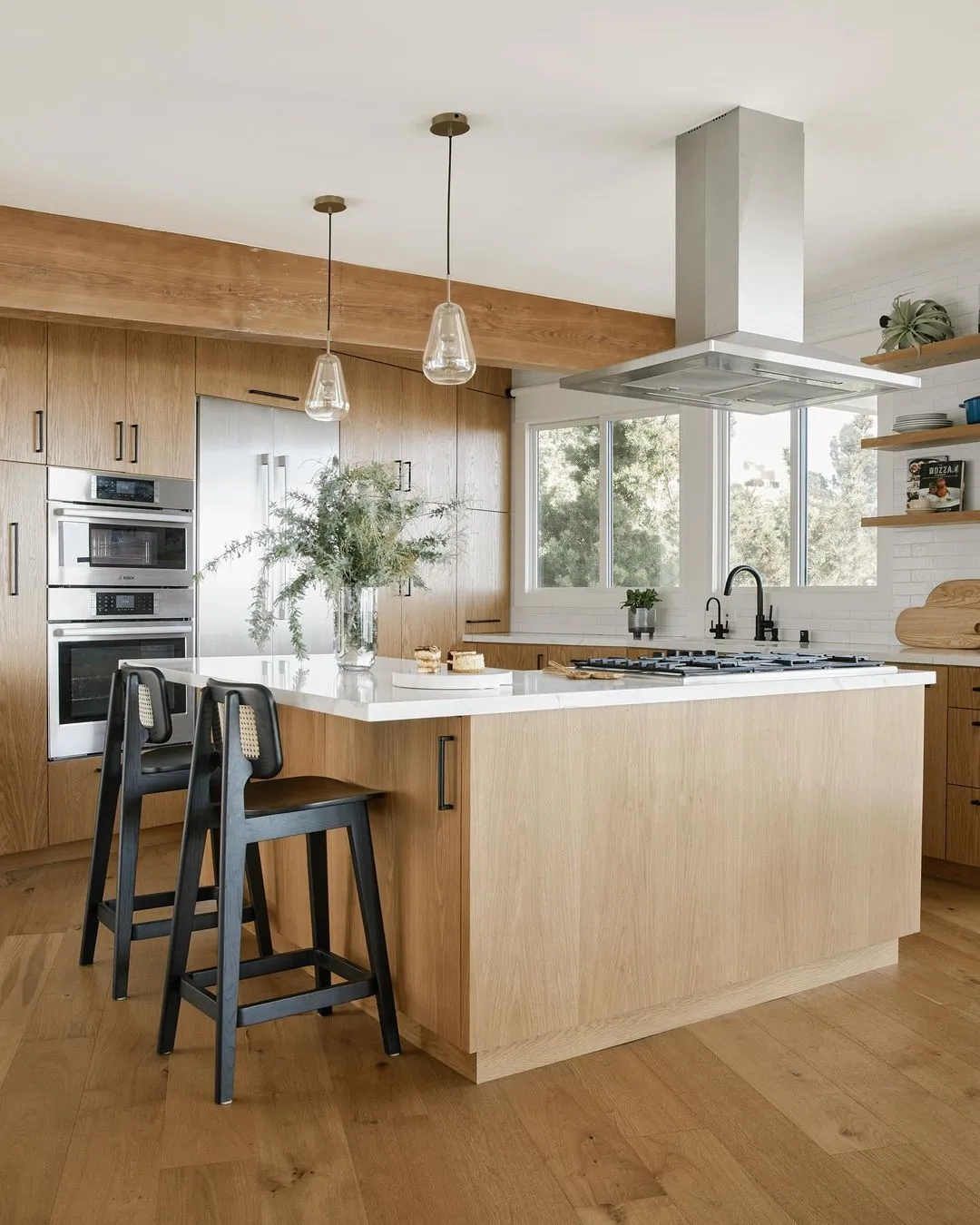
The 1960s, a decade of significant cultural shifts, also left its indelible mark on interior design, particularly in the kitchen. Kitchen decor in the 1960s was characterized by a unique blend of functionality, bold aesthetics, and a forward-thinking approach to home design. Revamping a kitchen to reflect this era is a captivating project, allowing homeowners to infuse their spaces with a sense of nostalgia and timeless style. This guide provides comprehensive insights into the key elements that defined 1960s kitchen decor, offering practical advice on how to incorporate these elements into contemporary kitchens. From understanding the defining features of the era to practical tips on color schemes, appliance selection, and budget-friendly solutions, this guide offers a pathway to creating a stunning and authentic 1960s-inspired kitchen. Embrace the charm and vibrancy of the 1960s, and transform your kitchen into a stylish and functional space that celebrates this iconic era.
Kitchen Decor 1960s What Defined the Era
The 1960s kitchen was a vibrant space that reflected the optimism and innovation of the time. The era was marked by a departure from the more conservative designs of the previous decades, embracing brighter colors, bolder patterns, and a more relaxed approach to kitchen design. Formica countertops, often in striking colors and patterns, became a staple. Appliances evolved, with built-in ovens and colorful refrigerators gaining popularity. Kitchens became less of a purely functional space and more of a gathering place, reflecting the changing social dynamics of the time. Kitchens were a place for families to come together, and the design reflected this new ideal. The emphasis was on creating a space that was both visually appealing and highly functional, utilizing innovative materials and designs to simplify the everyday tasks of cooking and entertaining.
Bold Colors and Patterns of the 1960s
Color and pattern were central to 1960s kitchen design. Designers were not afraid to use vibrant hues, creating a cheerful and energetic atmosphere. Bold colors like avocado green, sunny yellow, turquoise, and cherry red were commonly used, often paired with contrasting neutral tones. The use of patterns was equally daring, with geometric shapes, floral prints, and abstract designs adorning everything from wallpaper and curtains to countertops and cabinet fronts. These patterns, often large and eye-catching, added a sense of playfulness and personality to the kitchen space. Textiles, such as curtains and tablecloths, frequently featured these bold patterns, adding layers of visual interest and reinforcing the overall aesthetic of the era. The combination of bold colors and striking patterns was a key element in creating the distinctive look of the 1960s kitchen.
Color Palettes of the 1960s Kitchens

The color palettes of the 1960s kitchens were diverse and expressive, reflecting the era’s vibrant spirit. Several popular color combinations emerged, each creating a distinct mood. Avocado green and harvest gold, often paired with wood tones, were particularly popular, evoking a sense of warmth and earthiness. Turquoise and white, sometimes accented with pops of red or yellow, offered a fresh, modern appeal. Another common palette included cherry red, black, and white, which offered a bold, graphic contrast. Even combinations like orange and brown were embraced, adding a sense of playfulness. The key was to balance these bright hues with neutral tones like white, cream, or light wood, ensuring the space felt balanced and visually appealing. Careful color selection was crucial to achieving an authentic 1960s kitchen look.
Popular Pattern Choices
Patterns played a vital role in defining the 1960s kitchen aesthetic. Geometric patterns, such as checkerboards, stripes, and bold geometric shapes, were widely used on floors, walls, and countertops. Floral prints, often in large scales and vivid colors, added a touch of natural beauty and a sense of whimsy. Abstract designs also found their place, bringing a modern, artistic touch. These patterns were not only applied to fixed elements but also incorporated into textiles like curtains, tablecloths, and dish towels. The interplay of these patterns created a dynamic, visually rich environment. The goal was to create a space that felt lively, energetic, and full of personality, reflecting the optimism and innovation that defined the era. The choices of patterns often reflected the overall aesthetic, with the colors of the patterns frequently coordinating with the selected color palette.
Iconic 1960s Kitchen Designs
Certain kitchen designs and elements became synonymous with the 1960s. Formica countertops, in a variety of colors and patterns, were a defining feature. Built-in appliances, such as ovens and refrigerators, became increasingly common, optimizing space and creating a streamlined look. The open kitchen layout, connecting the kitchen with the dining or living area, was also a growing trend, reflecting a shift towards a more social and integrated approach to home design. Kitchen islands were emerging, often serving as both a workspace and a social hub. Accessories, such as chrome canisters, colorful dishware, and patterned curtains, completed the look, adding personality and charm. These elements, combined with the use of bold colors and patterns, created a distinct and instantly recognizable kitchen style that remains influential today.
The Rise of Mid-Century Modern

Mid-Century Modern design gained significant popularity in the 1960s. This design style is characterized by clean lines, organic shapes, and a focus on functionality. The use of natural materials, such as wood, was prominent, alongside innovative materials like Formica. Mid-Century Modern kitchens often featured simple, uncluttered designs with a focus on practicality and ease of use. This style valued the seamless blend of form and function. Mid-Century Modern emphasized sleek designs, which included flat-panel cabinets, often in wood or white, and minimalist hardware. The overall aesthetic was one of understated elegance and a sophisticated, yet welcoming atmosphere, appealing to the modern sensibilities of the time. This style’s enduring appeal is a testament to its timeless design principles and its ability to create comfortable and stylish living spaces.
Key Characteristics of Mid-Century Modern Kitchens
Mid-Century Modern kitchens are easily recognizable by their key characteristics. Clean lines, geometric shapes, and a lack of ornamentation are central to the design. The use of natural materials, especially wood, is fundamental. The focus is on creating a functional and uncluttered space, with built-in appliances and ample storage solutions. Color palettes typically include a combination of neutral tones and bold accent colors, such as avocado green, mustard yellow, or turquoise. The furniture and accessories often feature iconic designs and sculptural forms. This approach resulted in kitchens that were both stylish and highly practical, suited to the needs of modern living. The aesthetic emphasized both form and function, creating spaces that were enjoyable to use and visually appealing.
How to Incorporate 1960s Elements in Your Kitchen
Revamping a kitchen with 1960s elements can be achieved through various approaches. Start by choosing a color scheme that reflects the era, incorporating bold hues and balancing them with neutral tones. Consider installing Formica countertops, or updating existing ones with retro-inspired patterns. Select appliances that evoke the era, such as colorful refrigerators or retro-style ovens. Incorporate vintage decor, such as chrome canisters, patterned dishware, and geometric wall art. Choosing appropriate lighting, such as globe pendants or atomic-style fixtures, can also reinforce the aesthetic. These elements, when combined, create a cohesive and authentic 1960s kitchen design. Mixing and matching original elements with modern conveniences can result in a practical and stylish space that celebrates the spirit of the decade. The possibilities allow for individual expression and creative interpretations.
Choosing the Right Color Scheme

Selecting the right color scheme is crucial for achieving an authentic 1960s look. Research popular color palettes of the era, and consider using a combination of bold and neutral colors. Avocado green, harvest gold, and turquoise were popular choices. These colors were frequently paired with white, cream, or light wood tones to balance the overall look. When selecting colors, consider the size and natural light of your kitchen. If you’re unsure, test paint samples to see how the colors appear in different lighting conditions. Consider incorporating colors into cabinets, walls, countertops, and appliances to achieve a cohesive and visually appealing design. The right color scheme will set the tone for the entire kitchen, creating a vibrant and inviting space that truly reflects the spirit of the 1960s. The selection of the colors must align with the overall style, which should combine bold hues with classic neutrals.
Selecting Retro Appliances
Appliances play a significant role in defining the 1960s kitchen. Consider sourcing vintage appliances, if possible. Many appliance manufacturers now offer retro-style models in bold colors like red, turquoise, or avocado green. If you opt for modern appliances, choose models with sleek designs and clean lines. Look for details that reflect the era, such as chrome accents and simple controls. Appliances should not only be functional but also add to the kitchen’s aesthetic appeal. Consider your budget and the overall design scheme when making your selections. Remember to research appliance specifications and ensure that they meet your needs. The right selection will integrate seamlessly into your design, helping to capture the distinctive look of the 1960s. The retro-style appliances can be a significant investment, so consider exploring options that balance authenticity with functionality and cost-effectiveness.
Incorporating Vintage Decor
Vintage decor is essential for authentically recreating the 1960s kitchen atmosphere. Look for original or reproduction items that reflect the era’s style. Chrome canisters, colorful dishware, and patterned curtains are excellent choices. Consider adding geometric wall art, atomic-style light fixtures, and retro clocks. Visit antique stores, flea markets, and online marketplaces to source these items. When selecting decor, consider the overall design scheme and ensure that items complement each other. Don’t be afraid to mix and match different styles and patterns to create a unique and personalized space. The right vintage decor will add character, history, and authenticity to your kitchen design, making it a truly unique and captivating space that reflects the era’s charm. The details are important, as they will establish the overall visual appeal, and vintage decor is the key for achieving an authentic look.
Revamping Your Kitchen on a Budget

Revamping a kitchen with 1960s elements doesn’t have to break the bank. There are several cost-effective ways to achieve the desired look. Consider painting existing cabinets in bold colors, or replacing cabinet hardware with retro-style handles and knobs. Update countertops with affordable Formica or laminate options. Source vintage decor from thrift stores and flea markets. DIY projects, such as creating your own wall art or reupholstering vintage chairs, can also significantly reduce costs. Another option is to focus on a few key elements, like lighting or curtains, to make a big impact without a full renovation. By being creative and resourceful, you can create a stylish and authentic 1960s kitchen without exceeding your budget. Careful planning and prioritizing the essential design elements, such as color and key decor, are key elements for a budget-friendly revamp.
DIY Projects for a 1960s Kitchen
DIY projects can be a fantastic way to personalize your 1960s kitchen and save money. Consider painting your existing cabinets in a vibrant color, or creating geometric patterns on a feature wall. You can also build open shelving or install new cabinet hardware. Sewing your own curtains or tablecloths with retro-inspired patterns is another great way to incorporate the era’s style. Upcycling vintage furniture, such as refinishing a retro dining table or reupholstering old chairs, adds unique character. Research and plan your projects carefully, and consider your skill level and available time. DIY projects allow you to personalize your kitchen and add a unique touch. They are also an excellent way to get creative and save money. Be sure to consider safety precautions before starting any project.
Where to Find Affordable Decor
Finding affordable decor is key to revamping your kitchen on a budget. Thrift stores, flea markets, and antique shops are great sources for vintage items. Online marketplaces, such as eBay and Etsy, offer a wide selection of vintage decor at various price points. Look for reproduction items that capture the era’s aesthetic. Consider visiting local estate sales for unique finds. Explore discount home decor stores for affordable accessories. When shopping for vintage items, always check the condition and negotiate prices. By being patient and persistent, you can find affordable decor that adds character and authenticity to your kitchen design. Researching different stores and online platforms will increase your chances of finding unique and budget-friendly items that add personality to your kitchen.
Maintaining the 1960s Kitchen Vibe

Maintaining the 1960s kitchen vibe involves a blend of practical upkeep and aesthetic preservation. Regularly clean and maintain your appliances and decor items, to preserve their appearance and functionality. Dust and clean your surfaces regularly, paying special attention to any vintage or delicate items. Use appropriate cleaning products that are safe for the materials in your kitchen. Consider updating the color palette over time, but always stay true to the era’s essence. Avoid introducing too many modern elements that could clash with the retro design. Continue to source vintage and retro-inspired items to add character and keep the look fresh. Preserving the original elements and carefully integrating new ones will ensure the timeless charm of your 1960s kitchen endures. Maintaining the kitchen in an appropriate way will ensure its original vibe and prevent any future damages.
Balancing Retro and Modern
Balancing retro and modern elements in a 1960s kitchen is key to creating a functional and stylish space. While embracing the era’s aesthetic, consider integrating modern conveniences. This can be achieved by incorporating updated appliances with retro-style designs, such as refrigerators or ovens. Choose modern materials and finishes that complement the vintage elements. For example, you can pair Formica countertops with modern stainless steel appliances. Introduce modern lighting, such as track lighting or recessed lighting, to supplement the vintage fixtures. By carefully balancing these elements, you can create a kitchen that feels both authentic and functional. This balanced approach results in a harmonious blend of old and new, creating a space that caters to your needs while still reflecting the unique style of the 1960s.
Cleaning and Maintenance Tips
Effective cleaning and maintenance are crucial for preserving the 1960s kitchen vibe. Use appropriate cleaning products that are safe for all materials. For Formica countertops, use a mild soap and water solution. Avoid harsh chemicals or abrasive cleaners that could damage the surface. Clean appliances regularly, following manufacturer’s instructions. Dust and polish any vintage decor items, such as chrome canisters or glass dishware. Regularly inspect your kitchen for any damage, such as leaks or worn surfaces. Address any issues promptly to prevent further damage. By implementing a consistent cleaning and maintenance routine, you can keep your 1960s kitchen looking its best for years to come. Make sure that all cleaning products are safe for all the surfaces and materials used to create the kitchen.
In conclusion, revamping your kitchen with 1960s decor is a rewarding project that allows you to celebrate an iconic era of design. By understanding the key characteristics of the era, choosing appropriate color schemes and patterns, selecting vintage or retro-style appliances, and incorporating the right decor, you can create a stylish and authentic space that reflects the spirit of the 1960s. Remember to balance the retro elements with modern conveniences and to maintain your kitchen regularly to preserve its timeless charm. With careful planning, creativity, and a dash of nostalgia, you can transform your kitchen into a stunning and functional space that evokes the vibrant energy and innovative spirit of the 1960s.