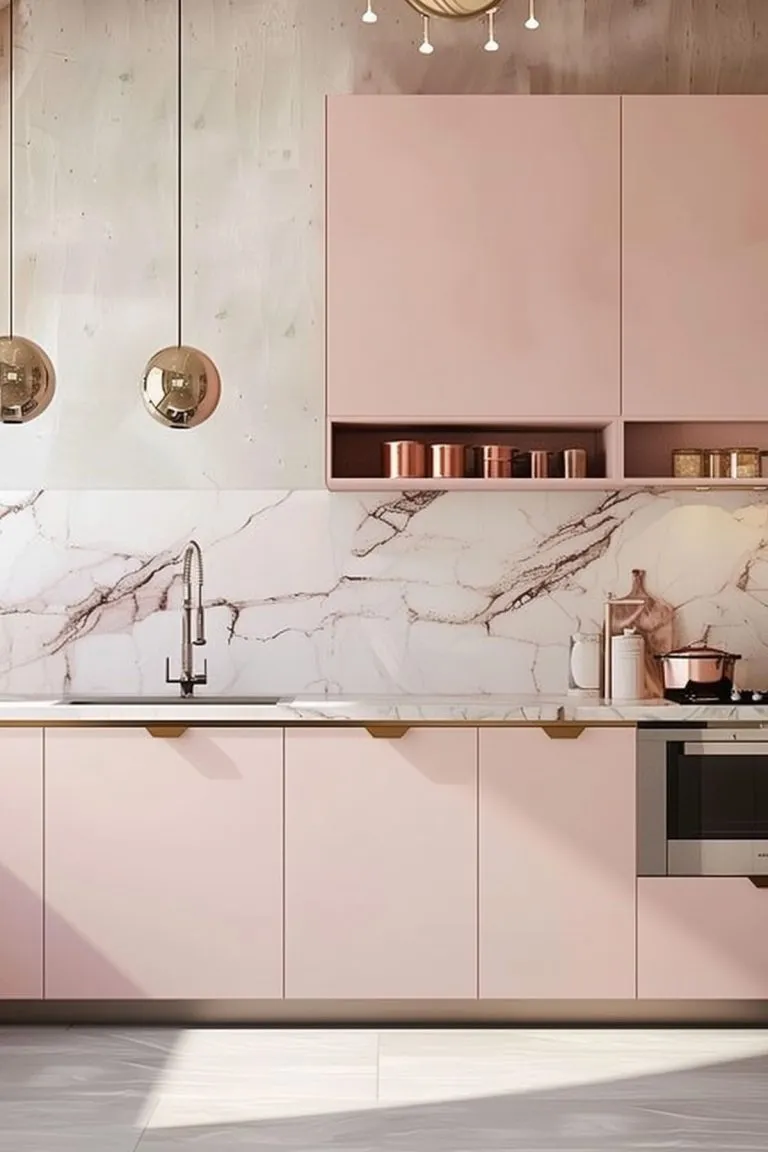
Choosing the Right Kitchen Decor Color What to Consider
Selecting the perfect kitchen decor color is a pivotal decision in home design. It sets the tone, impacts the mood, and reflects your personal style. With a myriad of options available, from vibrant hues to serene neutrals, choosing the right color can seem daunting. However, by considering several key factors, you can confidently navigate the process and create a kitchen space that is both beautiful and functional. This guide delves into the essential aspects to consider when choosing the ideal kitchen decor color, ensuring your space is a true reflection of your taste and lifestyle. These considerations form the foundation for making informed decisions and creating a kitchen that you’ll love for years to come, emphasizing the importance of color psychology, lighting, and the overall design of your kitchen.
Natural Light and its Impact on Kitchen Color
Natural light plays a crucial role in how colors appear in your kitchen. The amount and direction of sunlight significantly affect the perception of color, making it essential to consider this factor when choosing your kitchen decor color. A kitchen with ample natural light can handle a wider range of colors, including darker shades that might appear gloomy in a poorly lit space. Conversely, kitchens with limited natural light benefit from lighter, brighter colors that reflect light and create an illusion of spaciousness. Understanding how natural light interacts with different colors is key to making the right choice for your kitchen. The direction your kitchen faces also influences the quality of light it receives throughout the day, impacting color appearance. Below are some examples.
North-Facing Kitchens Color Scheme

North-facing kitchens typically receive cooler, more subdued light. Colors in these kitchens can appear muted and lack warmth. To counteract this, consider warm colors like yellows, oranges, and reds. These colors will help to brighten the space and create a cozy atmosphere. Alternatively, you can opt for lighter shades of cool colors, such as soft blues and greens, which will still reflect light and keep the space feeling open.
South-Facing Kitchens Color Scheme
South-facing kitchens enjoy the most natural light, often bathed in sunlight throughout the day. This allows for greater flexibility in color choices. You can use both warm and cool colors, depending on the desired ambiance. Lighter shades will create a bright and airy feel, while darker colors can add depth and sophistication. Be mindful of excessive direct sunlight, which can cause colors to fade over time. Consider using UV-protective paints or choosing colors that are less prone to fading.
East-Facing Kitchens Color Scheme
East-facing kitchens receive bright morning sunlight, which gradually fades throughout the day. Colors will appear warmer in the morning and cooler in the afternoon. To maximize the morning light, use colors that reflect warmth, such as yellows, oranges, or warm whites. As the day progresses, these colors will transition, creating a balanced feel. Avoid overly dark colors that might make the kitchen feel gloomy as the light diminishes.
West-Facing Kitchens Color Scheme

West-facing kitchens receive sunlight in the afternoon, creating a warm and inviting atmosphere. Colors will appear warmer during the late afternoon and evening. Consider using cool colors like blues and greens to balance the warmth, or embrace the sunlight with warm, earthy tones. Be mindful of the strong afternoon sun, which can make colors appear more intense. Choose colors that complement the existing light and create a comfortable and inviting space.
Understanding Color Psychology in Kitchens
Color psychology explores the emotional and psychological effects of colors. In kitchen design, understanding these effects can help you create a space that promotes the desired mood and functionality. Different colors evoke different feelings, and the right choice can significantly impact how you and your family experience the kitchen. Consider how you want to feel in your kitchen – energized, relaxed, creative, or social – and choose colors that align with those emotions. The colors you select can influence your appetite, productivity, and overall sense of well-being in the kitchen. By being aware of the psychological impacts of color, you can make informed choices that enhance your kitchen’s design and create a more enjoyable environment.
Warm Colors for Kitchens What to Use
Warm colors, such as reds, oranges, and yellows, can create a welcoming and energetic atmosphere in your kitchen. These colors are often associated with feelings of warmth, comfort, and sociability, making them ideal for kitchens that serve as gathering spaces. Warm colors can stimulate appetite and add a sense of vibrancy to the room, but they can also be overwhelming if not used in moderation. Consider incorporating warm colors through accent walls, kitchen accessories, or smaller design elements to create a balanced and inviting space. When used thoughtfully, warm colors can transform your kitchen into a cozy and cheerful heart of the home, which is an optimal choice for social gatherings.
Red and Orange Palettes

Reds and oranges are bold and stimulating colors that can add a sense of excitement and energy to your kitchen. Red can stimulate appetite and create a lively atmosphere, while orange can promote creativity and enthusiasm. Use these colors with caution, as they can be overpowering if used extensively. Consider using red or orange as accent colors on walls, cabinetry, or accessories, paired with neutral tones to create balance. Soften these colors with warm white or cream to tone them down, creating a space that is both lively and inviting.
Yellow Tones
Yellow is a cheerful and optimistic color that can brighten up any kitchen. It’s associated with happiness, energy, and warmth. Yellow is a great choice for kitchens with limited natural light. Light shades of yellow can make the space feel larger and more open, while deeper shades can add a touch of sophistication. Combine yellow with white or gray for a balanced look, or use it in accessories to add pops of color. Consider how yellow complements the other elements in your kitchen, such as your cabinetry, countertops, and appliances to ensure that it creates an environment you’ll love.
Cool Colors for Kitchens How to Implement
Cool colors, such as blues, greens, and grays, offer a sense of tranquility and relaxation in your kitchen. These colors can create a calming atmosphere, which is perfect for a space where you want to unwind or create a peaceful ambiance. Cool colors also often make a space feel larger and more open, making them a great choice for small kitchens. Experiment with various shades and tones to find a color scheme that suits your style and the size of your kitchen. You can also pair cool colors with warmer tones to create a balanced and inviting space. The implementation of cool colors is not only aesthetically pleasing, but can also offer psychological benefits.
Blue and Green Hues

Blue and green are calming colors that evoke feelings of peace and serenity. Blue can create a sense of tranquility, while green is associated with nature and renewal. Light shades of blue and green can make a kitchen feel airy and spacious, while deeper tones add depth and sophistication. Consider pairing blue and green with white or neutral tones to create a balanced look. These colors are versatile and can be used in various styles, from traditional to modern. Use them to bring a sense of calm into your kitchen, creating a space that is both relaxing and functional.
Gray and White Options
Gray and white are neutral colors that provide a versatile backdrop for any kitchen design. Gray offers a sophisticated and modern aesthetic, while white creates a clean and open feel. Both colors can be easily paired with other colors, allowing you to create various color schemes and styles. White kitchens reflect light, making a space feel larger and brighter, while gray can provide a sense of depth and sophistication. Experiment with different shades and tones of gray and white to find the perfect palette for your kitchen. Use them as a base and add pops of color through accessories or accent walls to personalize your space.
Neutral Kitchen Color Schemes
Neutral color schemes, such as beige, cream, and light gray, provide a timeless and versatile base for your kitchen. These colors offer a sense of calm and simplicity, making them ideal for creating a space that is both functional and stylish. Neutral colors can be easily paired with various accent colors, allowing you to change the look of your kitchen without repainting. They also provide a perfect backdrop for showcasing your kitchen accessories, appliances, and other design elements. The versatility of neutral colors makes them a popular choice for those seeking a classic and enduring kitchen design. Consider these schemes for a flexible and adaptable space that will stand the test of time.
How to Combine Colors Effectively

Combining colors effectively is essential to creating a harmonious and visually appealing kitchen design. Understanding how colors interact and complement each other is key to achieving the desired look and feel. You can use various techniques, such as the 60-30-10 rule, to guide your color choices and ensure that the different elements in your kitchen blend together seamlessly. Properly combining colors can help you create a balanced and visually engaging kitchen design that complements your style and enhances your overall enjoyment of the space. Experiment with different combinations to find the perfect balance for your unique kitchen. Proper color combinations create depth and visual interest.
Using the 60-30-10 Rule
The 60-30-10 rule is a popular design guideline for creating balanced and harmonious color schemes. It suggests using 60% of a dominant color, 30% of a secondary color, and 10% of an accent color. The dominant color typically covers the walls, while the secondary color is used for cabinetry or major furniture pieces, and the accent color is incorporated through accessories and smaller design elements. This rule helps to create a balanced and visually appealing space by providing a clear hierarchy of colors. Apply this rule in your kitchen to create a well-coordinated and aesthetically pleasing design. This system helps maintain a visual balance and avoid overwhelming the space.
Accent Colors and Their Role
Accent colors add personality and visual interest to your kitchen. These colors are used in smaller doses to create focal points and enhance the overall design. Accent colors can be incorporated through accessories such as artwork, dish towels, or small appliances, which allow for easy and affordable changes to your kitchen decor. Choose accent colors that complement the dominant and secondary colors in your kitchen, and ensure they reflect your personal style. Experiment with different accent colors to add a pop of vibrancy and personality to your space. A well-placed accent can transform the entire look of your kitchen, making it feel more inviting and stylish. Select the right accent color to enhance your overall kitchen aesthetics.
Popular Kitchen Color Trends

Kitchen color trends evolve over time, reflecting changes in design preferences and lifestyle. Staying informed about current trends can inspire you to update your kitchen design and create a space that feels fresh and modern. From classic choices to bold new palettes, understanding the latest color trends can help you make informed decisions and create a kitchen that aligns with contemporary design aesthetics. Explore the colors that are gaining popularity and consider how you can incorporate them into your kitchen design. However, remember to choose colors that resonate with your personal style and preferences, ensuring your kitchen remains a space you love for years to come. Be aware of these trends, but always trust your taste.
Timeless Colors and Designs
Some kitchen color schemes and designs remain consistently popular due to their timeless appeal. Classic neutrals like white, gray, and beige provide a versatile and enduring base that transcends trends. These colors create a sense of spaciousness and allow for easy integration of changing accent colors and styles. Traditional designs that incorporate natural materials, such as wood and stone, also maintain their appeal over time. Considering timeless colors ensures that your kitchen remains stylish and functional, even as design trends change. Embrace the enduring beauty of these classic choices for a kitchen that never goes out of style.
Current Color Trends and Inspirations
Current kitchen color trends often highlight bold and innovative choices. Earthy tones, such as olive green and terracotta, are gaining popularity, offering a sense of warmth and connection to nature. Darker colors, such as navy blue and charcoal gray, are also trending, adding depth and sophistication to kitchen designs. In addition to these colors, accent colors such as brass and gold are also growing in popularity. Draw inspiration from design magazines, websites, and social media platforms to discover the latest color trends. Consider these trends as a starting point, adapting them to your personal style and the unique characteristics of your kitchen. Stay ahead of the curve with these current color trends to elevate your kitchen design.
Tips for Selecting Kitchen Decor Colors
Choosing the right kitchen decor colors involves careful consideration of various factors, including your personal style, the size of your kitchen, and the amount of natural light. From testing paint samples to seeking professional advice, there are several practical tips that can help you make informed decisions and create a kitchen that truly reflects your taste and lifestyle. These tips will guide you through the process, ensuring that you make the best choices for your space. Be mindful of the details and create a kitchen that is both beautiful and functional, and consider these options to find the right fit for your lifestyle.
Consider Your Kitchen Size
The size of your kitchen impacts your color choices. Lighter colors often make a small kitchen appear larger and more open, reflecting light and creating a sense of spaciousness. Consider using light shades of white, cream, or pastels in smaller kitchens. Darker colors can make a small kitchen feel cramped, so use them sparingly. If you prefer darker colors, balance them with lighter elements, such as light-colored countertops or cabinets. Larger kitchens offer more flexibility, allowing you to use a broader range of colors. However, be careful not to overwhelm a large space with too many dark colors, as this can make it feel cold and less inviting. Think about the proportions of your kitchen and how colors can enhance or alter the perceived size of the space. Choose colors that suit the dimensions of your kitchen to create a balanced and aesthetically pleasing environment.
Think About Your Personal Style
Your personal style should be a primary driver in your kitchen color choices. Do you prefer a minimalist, modern aesthetic, or do you lean towards a more traditional, rustic design? Choose colors that reflect your personality and create a space that feels authentically you. If you enjoy a clean and uncluttered look, consider neutral colors with subtle accents. For those who love a vibrant and energetic space, bold colors or patterned accents can be a perfect fit. Think about the overall atmosphere you want to create and let your personal style guide your decisions. Your kitchen should be a reflection of your unique taste and preferences, so choose colors that bring you joy and make you feel comfortable and inspired.
Test Paint Samples Before Committing
Testing paint samples before making a final decision is crucial for ensuring that the colors you choose look the way you envision them in your kitchen. Paint colors can appear different under various lighting conditions. Purchasing small paint samples and applying them to a section of your wall is essential. Observe the colors throughout the day, considering how they appear in natural light and under artificial lighting. Consider the time of day and how the light changes to see how the colors shift. Doing this can help you avoid potential disappointment and ensure that you are completely satisfied with the chosen color scheme. Testing samples is a simple yet effective step in making informed decisions for your kitchen design.
Seeking Professional Advice
If you feel overwhelmed by the color selection process, consider seeking professional advice. Interior designers and color consultants have expertise in color psychology and design principles. They can help you choose the perfect color scheme for your kitchen based on your style, the lighting conditions, and the overall design. A professional can offer valuable insights and provide recommendations that will enhance the aesthetics and functionality of your kitchen. Consulting with an expert can save you time and money, ensuring that you achieve your desired results. Take advantage of their knowledge to create a kitchen that is both beautiful and perfectly suited to your needs.
Finalizing Your Kitchen Decor Color Scheme
Finalizing your kitchen decor color scheme involves making the final decisions and bringing together all the elements of your design. Ensure that the colors you’ve selected complement each other and align with your overall vision for the space. Once you have a chosen color scheme, it’s time to purchase your paint or wallpaper and begin the painting process. Don’t forget to incorporate your accent colors through accessories, such as kitchen towels, curtains, or decorative objects. Take a moment to stand back and admire your work, ensuring that the color scheme reflects your unique style and creates the desired atmosphere in your kitchen. This stage is about making your vision a reality.
Kitchen decor color is a personal journey that can greatly impact your home. Remember that the best kitchen decor color is one that you love and that complements your lifestyle. By considering factors such as lighting, color psychology, and personal style, you can create a kitchen space that is both beautiful and functional. Take your time, experiment with different options, and don’t be afraid to seek professional advice to achieve the perfect results. Enjoy the process and the creation of a kitchen that you will enjoy for years to come.