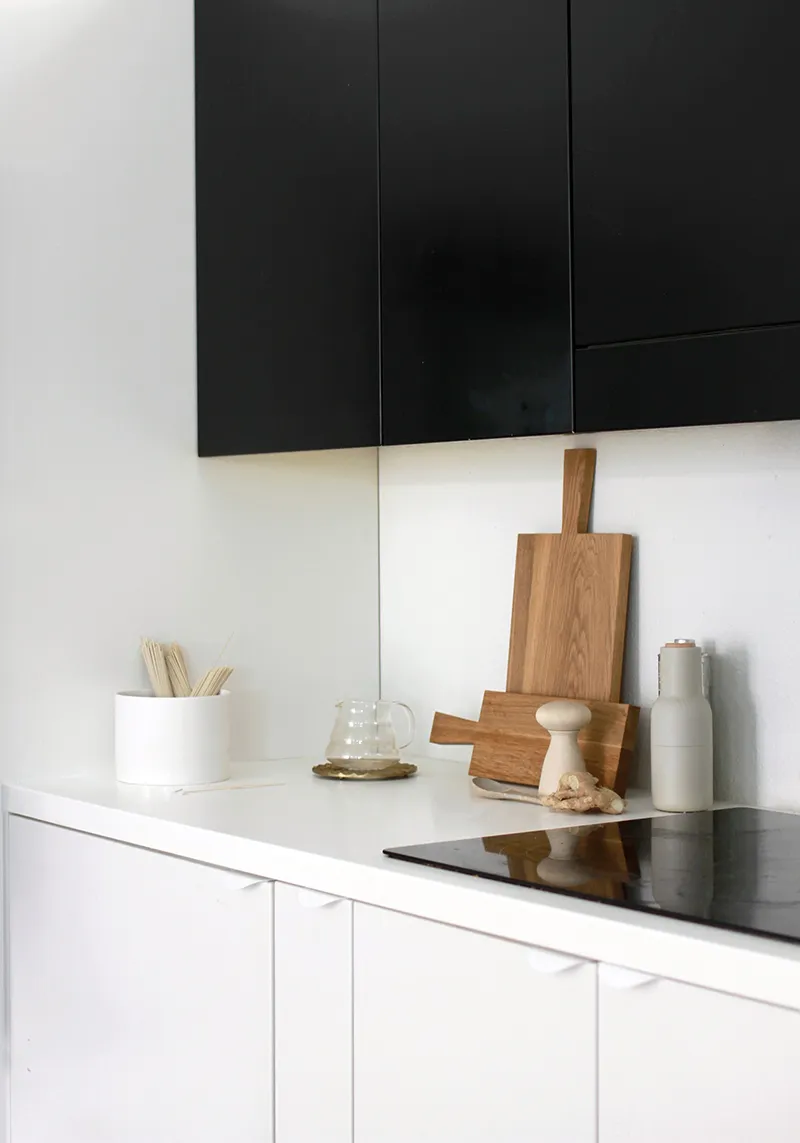
Top 7 Cutting Board Designs for Kitchen Decor
Cutting boards are an essential kitchen tool, but they can also be a stylish and functional element of your kitchen decor. Choosing the right cutting board can significantly impact your kitchen’s overall aesthetic and your food preparation experience. This guide explores seven different cutting board designs, offering insights into their materials, aesthetics, and suitability for various kitchen styles. From the warmth of wood to the sleekness of glass, discover the perfect cutting board to enhance your kitchen’s design and functionality. This comprehensive guide provides all the information needed to make informed decisions, ensuring your kitchen is both beautiful and practical.
Wooden Cutting Boards A Classic Choice
Wooden cutting boards are a timeless choice for kitchen decor, bringing warmth and natural beauty to any space. They are known for their durability, gentle surface that is kind to knives, and classic appeal. They often feature rich grain patterns and can be found in various wood types, each with unique characteristics and aesthetics. Consider the type of wood, the grain pattern, and the overall aesthetic when choosing a wooden cutting board to ensure it complements your kitchen’s decor. Wooden cutting boards also provide a tactile experience, enhancing the enjoyment of food preparation.
Types of Wood

Different types of wood offer different benefits and aesthetics. Hardwoods like maple, walnut, and cherry are popular choices due to their durability and resistance to scratches. Maple is often favored for its light color and fine grain, creating a clean and modern look. Walnut offers a darker, richer tone, adding a touch of elegance to the kitchen. Cherry wood has a warm, reddish hue, giving a cozy feel. Softer woods like pine are less durable and may show wear more quickly but can be more affordable. The choice of wood type should consider both the aesthetic appeal and the practical aspects such as durability and maintenance requirements. Each wood offers unique visual characteristics that can enhance the kitchen’s design.
Maintenance and Care
Proper care is crucial for maintaining wooden cutting boards. Regular cleaning with warm, soapy water is essential. Avoid soaking the board, as this can warp the wood. After washing, rinse the board thoroughly and dry it immediately. Applying food-grade mineral oil periodically helps to prevent the wood from drying out, cracking, and absorbing odors and stains. This oiling process also rejuvenates the board, keeping it looking its best. Avoid using harsh chemicals or abrasive cleaners, which can damage the wood’s surface. Properly maintained wooden cutting boards can last for years, becoming a cherished part of your kitchen decor.
Glass Cutting Boards Modern Elegance
Glass cutting boards offer a sleek, contemporary look, providing a clean and modern aesthetic. They are often transparent or feature decorative designs, adding visual interest without overpowering the kitchen’s decor. The smooth surface of glass cutting boards is easy to clean and does not absorb odors or stains, making them a hygienic choice for food preparation. Their non-porous surface also prevents bacteria from penetrating the material, ensuring food safety. They are available in various sizes, shapes, and designs to fit any kitchen style and aesthetic preferences, from minimalist to modern.
Durability and Features

Glass cutting boards are highly durable, but they can be susceptible to chipping or cracking if dropped. Tempered glass is a common material used in these boards, which provides enhanced resistance to impact and thermal shock. Look for features like non-slip feet or rubber edges, which prevent the board from sliding during use and protect your countertops. The thickness of the glass can also affect its durability; thicker boards are generally more resistant to breakage. Consider these features to ensure the cutting board meets your needs for both durability and practicality, making it a long-lasting addition to your kitchen decor.
Cleaning and Safety
Cleaning glass cutting boards is straightforward. They can be easily washed with soap and water and are often dishwasher-safe. However, be sure to check the manufacturer’s instructions for specific care guidelines. Ensure you thoroughly dry the board after washing to prevent water spots. Always use a cutting board on a stable surface to prevent accidents. Although glass is non-porous, it is crucial to keep the board clean to prevent any cross-contamination between different food types. Regularly inspect the board for any chips or cracks, as they can compromise its safety. The smooth surface makes it easy to spot any potential issues.
Bamboo Cutting Boards Sustainable Style
Bamboo cutting boards combine sustainability with style, offering an eco-friendly option for the kitchen. Bamboo is a rapidly renewable resource, making it a great alternative to traditional hardwoods. Bamboo cutting boards are naturally resistant to moisture and bacteria, making them a hygienic choice for food preparation. Their light color and attractive grain patterns add a touch of natural elegance to any kitchen. Available in various shapes and sizes, bamboo cutting boards complement different kitchen aesthetics, from minimalist to farmhouse. Their sustainability and ease of maintenance make them a favorite among environmentally conscious consumers.
Eco-Friendly Benefits

The eco-friendliness of bamboo is one of its primary advantages. Bamboo grows incredibly fast and can be harvested much more frequently than hardwood trees, making it a sustainable resource. Using bamboo cutting boards helps to reduce the demand for slower-growing hardwoods and contributes to responsible forestry practices. The production of bamboo products often requires fewer pesticides and fertilizers, further minimizing their environmental impact. Choosing bamboo cutting boards aligns with a commitment to sustainability and eco-conscious living, making them an ideal choice for environmentally-minded homeowners. Bamboo’s natural resilience also means the boards are long-lasting, reducing the need for frequent replacements.
Design and Aesthetics
Bamboo cutting boards feature a unique aesthetic characterized by their light color and distinctive grain patterns. They bring a natural, organic element to the kitchen, enhancing the overall decor. The light color palette of bamboo pairs well with various kitchen styles, from modern to traditional. The boards come in many designs, including rectangular, round, and even custom shapes, allowing for versatility in both use and visual appeal. The natural texture of bamboo adds a tactile element, making them pleasing to both the eye and the touch. When choosing a bamboo cutting board, consider its shape, size, and design to match your kitchen’s existing style.
Plastic Cutting Boards Practical and Versatile
Plastic cutting boards offer practicality and versatility for everyday kitchen use. They are lightweight, easy to clean, and often dishwasher-safe, making them a convenient choice for busy kitchens. Plastic cutting boards come in various colors and sizes, making them adaptable to different cooking tasks and kitchen styles. Their non-porous surface helps prevent the absorption of food odors and stains. They are also relatively inexpensive, making them a budget-friendly option for many households. Their ease of maintenance and practicality make them a staple in numerous kitchens worldwide.
Pros and Cons

Plastic cutting boards have many advantages, including being lightweight, dishwasher-safe, and affordable. They are also less likely to harbor bacteria compared to wooden boards, especially if properly cleaned. However, they can be prone to scratches, which can create grooves where bacteria can potentially grow. Some plastic cutting boards may also dull knives more quickly. When choosing a plastic cutting board, look for ones made from high-density polyethylene (HDPE), which is more durable. Consider the thickness, size, and whether it has non-slip features to ensure it meets your needs. While they offer convenience, it is important to weigh the pros and cons to find the best fit for your kitchen.
Cleaning and Usage
Cleaning plastic cutting boards is typically straightforward. Most are dishwasher-safe, offering convenience. For handwashing, use warm, soapy water and rinse thoroughly. To remove stains or odors, you can use a mixture of baking soda and water, or a solution of vinegar and water. It’s important to clean the board after each use, especially when working with raw meats, to prevent cross-contamination. Ensure the board is completely dry before storing it. Consider having separate cutting boards for different food types (e.g., meat, vegetables) to minimize the risk of cross-contamination. Replacing the board periodically is advisable, especially if it becomes heavily scratched or damaged.
Marble Cutting Boards Luxurious Touch
Marble cutting boards add a touch of luxury and elegance to any kitchen. Their sleek, cool surface is perfect for preparing pastries and other delicate foods. Marble’s natural patterns and variations make each board unique, enhancing the aesthetic appeal of your kitchen. They are available in different colors, such as white, gray, and black, making it easy to match them with any decor style. The inherent beauty and sophistication of marble cutting boards create a high-end feel, making them a stylish addition to both your kitchen and dining spaces. Marble also offers a durable, long-lasting surface when cared for properly.
Aesthetic Appeal

The aesthetic appeal of marble cutting boards lies in their natural beauty and unique veining patterns. Each marble board is distinct, with variations in color and texture that add character and elegance to your kitchen decor. White marble, in particular, is a classic choice that complements various design styles, from modern minimalist to traditional. Gray and black marble provide a bolder statement, adding a touch of sophistication. The cool, smooth surface of marble provides a visually clean and uncluttered appearance. When choosing a marble cutting board, consider the veining pattern, color, and overall design to ensure it aligns with your kitchen’s aesthetic vision. The elegance of marble enhances the visual experience of food preparation.
Care and Considerations
Caring for marble cutting boards requires some attention to maintain their beauty and durability. Marble is a porous material, so it’s susceptible to stains. It’s essential to seal the board before use and re-seal it periodically to protect it from liquids and oils. Clean the board with mild soap and water, avoiding harsh chemicals or abrasive cleaners. Wipe up spills immediately to prevent staining. Avoid placing hot items directly on the marble surface, as they can cause thermal shock and damage the stone. With proper care, a marble cutting board can last for years, maintaining its luxurious appearance and functionality. Avoid using acidic foods or cleaning agents that can etch the surface.
Composite Cutting Boards Innovative Options
Composite cutting boards combine various materials to offer enhanced durability and performance. These boards often consist of a blend of wood fibers, resins, and sometimes recycled materials. They are designed to resist warping, cracking, and staining. The innovative construction of composite cutting boards provides a practical and eco-friendly alternative to traditional options. They come in different sizes, thicknesses, and finishes, fitting into modern and contemporary kitchen designs. These boards are perfect for high-volume use and offer a long-lasting, low-maintenance solution for all your cutting and chopping needs.
Durability and Functionality
Composite cutting boards are known for their exceptional durability. They are often more resistant to warping, cracking, and chipping than wood or plastic boards. The combination of materials creates a robust surface that withstands heavy use. Many composite boards are also heat-resistant, allowing you to place hot pots and pans directly on the surface without causing damage. Their non-porous nature makes them resistant to stains, odors, and bacteria. These features enhance their functionality, making them a practical choice for both home cooks and professional chefs. The durability and functionality of composite cutting boards make them an ideal choice for high-traffic kitchens.
Maintenance Tips
Maintaining composite cutting boards is generally easy. Most can be cleaned with soap and water and are often dishwasher-safe. However, always consult the manufacturer’s instructions for specific care recommendations. Avoid using abrasive cleaners or scouring pads, which can scratch the surface. Regularly wipe down the board to prevent staining. If the board does get stained, you can try using a mixture of baking soda and water to gently scrub the surface. To ensure longevity, store the cutting board flat to prevent warping and exposure to extreme temperatures. Routine maintenance ensures composite cutting boards continue to function and look their best, making them a reliable kitchen tool.
Personalized Cutting Boards Unique Decor
Personalized cutting boards offer a unique way to add style and sentiment to your kitchen decor. Custom engraving, unique shapes, and personalized designs transform a simple cutting board into a statement piece. They can feature monograms, names, quotes, or custom artwork. Personalized cutting boards make excellent gifts and can become cherished keepsakes. These boards provide a great way to showcase your personal style and make your kitchen truly unique. They can seamlessly blend functionality with a personal touch, enhancing the overall ambiance and creating an inviting kitchen space.
Customization Ideas
The customization possibilities for cutting boards are nearly endless. Consider adding a family name, initials, or a special date to create a personalized touch. Engrave a favorite recipe or quote for a unique kitchen decor piece. Choose a board with a special shape, such as a state outline or a favorite food silhouette. You can also have intricate artwork or designs etched onto the board. Consider the material of the cutting board when choosing your design; wood lends itself well to engraving, while glass and marble offer opportunities for vibrant printing. Selecting a unique design for a personalized cutting board turns it into a functional and decorative item that reflects your individual style.
Placement and Display
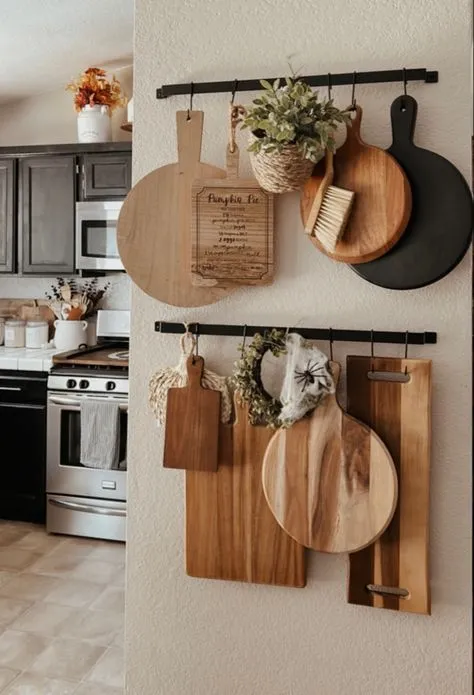
Placement and display are key elements in showcasing a personalized cutting board as a kitchen decor item. Consider displaying the board on a countertop, leaned against the backsplash, or hung on a wall using a decorative hook. To create a cohesive look, match the cutting board’s design and material to your existing kitchen decor. For example, a wooden board with a rustic engraving works well in a farmhouse-style kitchen, while a sleek, personalized glass board complements a modern design. When not in use, a personalized cutting board can serve as a decorative element, adding charm and individuality to your kitchen space. Positioning your personalized cutting board thoughtfully enhances its visual appeal and makes it a focal point in your kitchen decor.