Choosing Your Kitchen Decor Style
Revamping your kitchen is an exciting endeavor, and the first step involves choosing a decor style that resonates with your personality and complements the overall aesthetic of your home. The style you choose sets the tone for the entire space, influencing everything from the color palette to the materials used. Consider the existing architecture of your kitchen and the amount of natural light it receives. These factors will help you determine which styles will work best. Are you drawn to sleek lines and minimalist designs, or do you prefer the warmth and rustic charm of a farmhouse kitchen? Researching different styles, browsing design magazines, and exploring online resources can provide inspiration and help you narrow down your choices. Remember, the best kitchen decor is one that reflects your personal taste and makes you feel comfortable and inspired.
Modern Kitchen Decor
Modern kitchen decor is characterized by clean lines, a minimalist approach, and a focus on functionality. It often features sleek cabinetry, stainless steel appliances, and a neutral color palette. Modern kitchens prioritize open spaces and a clutter-free environment, creating a sense of airiness and sophistication. Materials like glass, metal, and concrete are commonly used to achieve a contemporary look. This style emphasizes simplicity, with minimal ornamentation and a focus on the essential elements. Modern kitchens are designed to be both stylish and practical, making them a popular choice for those who appreciate a streamlined and efficient space. Think of it as a blank canvas where form follows function, and every element serves a purpose.
Key Elements of Modern Kitchens

Several key elements define a modern kitchen. Flat-panel cabinets with a glossy or matte finish are a staple, providing a seamless and uncluttered look. Stainless steel appliances contribute to the sleek aesthetic and are highly functional. Quartz or solid-surface countertops offer a durable and stylish surface, often in neutral colors like white, gray, or black. Minimalist hardware, such as bar pulls or hidden handles, maintains the clean lines of the cabinets. Open shelving can be incorporated to display decorative items or frequently used items, while maintaining an uncluttered look. Integrated lighting, including recessed lights and under-cabinet lighting, enhances the functionality and ambiance of the kitchen. These elements work together to create a cohesive and contemporary space.
Implementing Modern Design
Implementing modern design involves careful planning and execution. Start by decluttering the space and removing any unnecessary items. Choose a neutral color palette as a foundation, using colors like white, gray, or beige for the walls and cabinets. Introduce pops of color through accessories, such as a vibrant backsplash or colorful artwork. Select appliances with a sleek, modern design and stainless steel finish. Opt for simple, functional hardware and avoid ornate details. Maximize natural light by keeping windows clear and using sheer curtains if necessary. Incorporate open shelving to display stylish dishware or decorative items. Ensure that the lighting is strategically placed to enhance functionality and create a welcoming ambiance. The key is to balance functionality with a clean, minimalist aesthetic.
Farmhouse Kitchen Decor
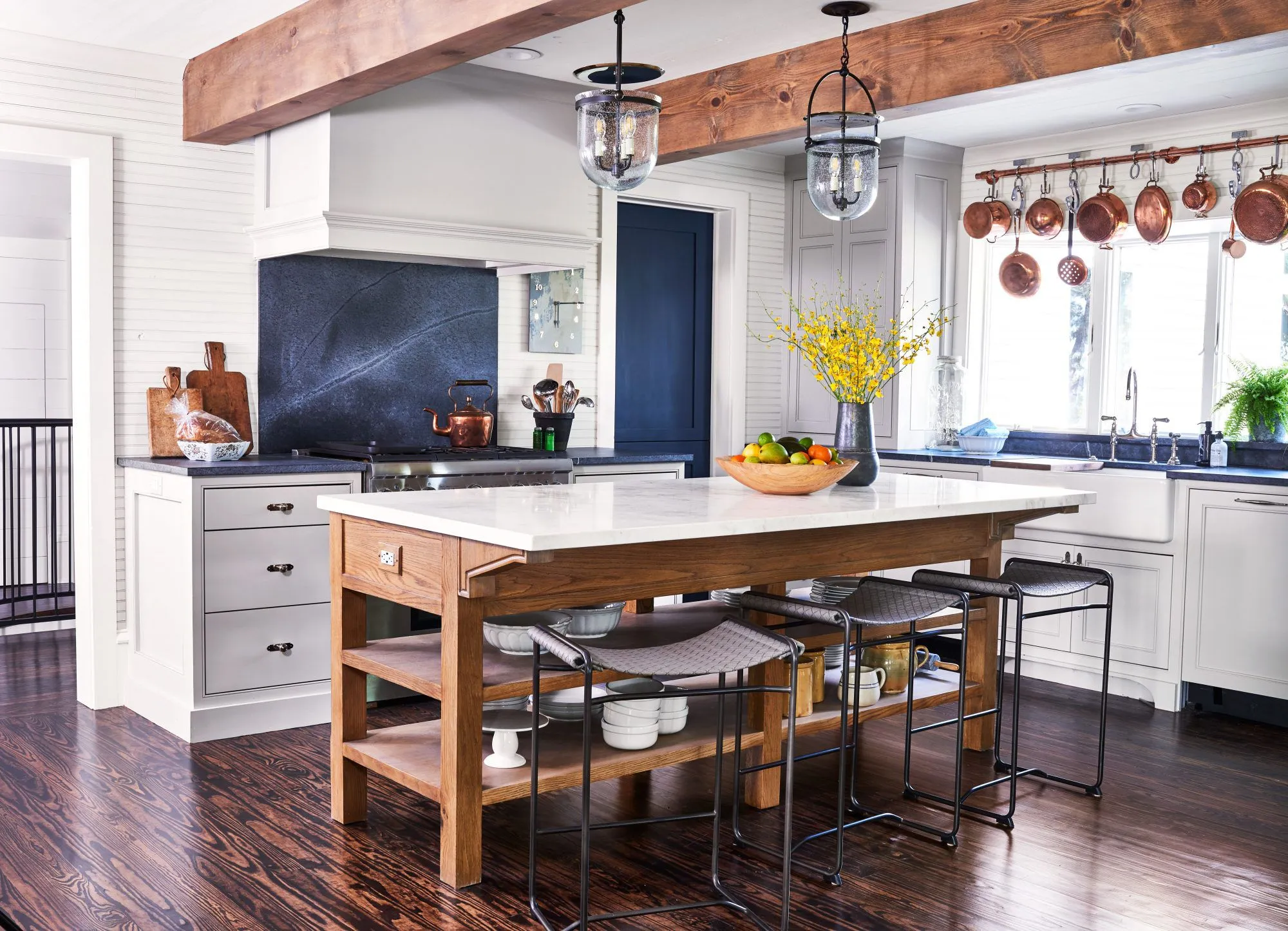
Farmhouse kitchen decor embraces a warm, inviting, and rustic aesthetic. It combines elements of country charm with a touch of modern comfort. The style is characterized by natural materials, such as wood and stone, a neutral color palette, and vintage-inspired accents. Farmhouse kitchens evoke a sense of nostalgia and coziness, creating a welcoming space for cooking, dining, and gathering. The emphasis is on creating a relaxed and lived-in atmosphere, where functionality and style coexist harmoniously. This style often incorporates elements of both rustic and modern design, creating a timeless and enduring appeal. Farmhouse kitchens often feature open shelving, apron-front sinks, and vintage-inspired lighting fixtures.
Key Elements of Farmhouse Kitchens

Key elements of a farmhouse kitchen include a neutral color palette, often featuring white, cream, and soft grays as the foundation. Wooden elements, such as exposed beams, butcher block countertops, and reclaimed wood accents, add warmth and texture. An apron-front sink, also known as a farmhouse sink, is a defining feature, adding a touch of traditional charm. Open shelving is a staple, perfect for displaying dishware, cookbooks, and decorative items. Vintage-inspired lighting fixtures, such as pendant lights or chandeliers, contribute to the rustic aesthetic. Textiles like linen curtains, woven rugs, and patterned tea towels add softness and visual interest. Antique or vintage accessories, such as wooden cutting boards, enamelware, and mason jars, complete the look.
Implementing Farmhouse Design
Implementing farmhouse design requires a blend of rustic and modern elements. Start with a neutral color palette on the walls and cabinets. Introduce wooden elements through countertops, open shelving, or a kitchen island. Install an apron-front sink and choose faucets with a vintage-inspired design. Incorporate vintage or antique accessories, such as a farmhouse table and chairs or a vintage scale. Use textiles like linen curtains or woven rugs to add warmth and texture. Display decorative items, such as mason jars, enamelware, or vintage signs, on open shelving. Incorporate lighting fixtures with a rustic design, such as pendant lights or chandeliers. Balance the rustic elements with modern appliances and functional storage solutions to create a comfortable and practical space. Consider adding shiplap or beadboard to walls for extra farmhouse charm.
Choosing a Color Palette
The color palette you choose for your kitchen significantly impacts the overall ambiance and aesthetic. Colors can influence mood, create a sense of spaciousness, and tie together the various design elements. Consider the amount of natural light your kitchen receives, as this will affect how colors appear. Darker colors can make a space feel cozier, while lighter colors can create a brighter and more expansive feel. Choose colors that complement your chosen decor style and reflect your personal preferences. Experiment with different color combinations to find the perfect balance for your kitchen. Don’t be afraid to use accent colors to add pops of personality and visual interest. Remember to consider the colors of your cabinets, countertops, and appliances when selecting your color palette to ensure a cohesive and harmonious look. The right color palette can transform your kitchen into a welcoming and stylish space.
The Importance of Color

Color plays a crucial role in setting the mood and atmosphere of your kitchen. It can influence how spacious or intimate the space feels. Light colors, such as white, cream, and light gray, tend to make a room feel larger and brighter, reflecting light and creating an airy atmosphere. Darker colors, such as navy blue, charcoal gray, or deep green, can create a cozy and intimate feel. Color can also be used to highlight specific architectural features or to create a focal point in the room. The choice of color should be based on the overall style of your kitchen and the desired effect you want to achieve. Color can be used to express your personality and create a space that is both functional and visually appealing. Consider the emotional impact of each color and how it will interact with the natural and artificial lighting in your kitchen.
Popular Kitchen Colors
Several colors are consistently popular choices for kitchens. White remains a timeless favorite, offering a clean and versatile backdrop that complements various design styles. Gray, in its many shades, provides a neutral and sophisticated look, easily paired with other colors. Navy blue and other darker hues are gaining popularity for their ability to create a dramatic and elegant ambiance. Earthy tones, such as beige, cream, and warm neutrals, offer a cozy and inviting feel, especially in farmhouse-style kitchens. For those seeking a bolder look, consider accent colors like teal, yellow, or red, used sparingly to add pops of personality. When choosing your kitchen colors, research the current trends, and think about the elements that will work with the room.
Maximizing Space with Decor
Making the most of your kitchen space is essential, especially if you’re working with limited square footage. Clever decorating strategies can create the illusion of more space and enhance the functionality of your kitchen. By utilizing vertical space, employing smart storage solutions, and carefully selecting accessories, you can transform a cramped kitchen into a well-organized and visually appealing area. It’s all about optimizing the space you have and finding creative solutions to make the kitchen feel less cluttered and more comfortable to use. Think about how you use your kitchen daily, and identify areas where you can streamline your storage and layout. Prioritizing functionality while maintaining an aesthetic appeal is key to maximizing space with kitchen decor.
Utilizing Vertical Space

Vertical space is often underutilized in kitchens, presenting a valuable opportunity to expand storage and display areas. Installing taller cabinets that reach the ceiling provides additional storage for items you don’t use frequently. Open shelving can be mounted on walls to display decorative items, cookbooks, or frequently used dishware, freeing up valuable countertop space. Consider adding a pot rack above the island or stove to keep cookware within easy reach while adding a visual element. Use the space above the refrigerator for storage, such as decorative baskets or containers for infrequently used items. Utilize the space above the kitchen cabinets with decorative boxes or accessories to add visual interest. Vertical storage solutions not only increase storage capacity but also draw the eye upward, making the kitchen feel more spacious.
Smart Storage Solutions
Smart storage solutions are essential for maintaining an organized and efficient kitchen. Implement pull-out drawers and shelves in lower cabinets to maximize space and provide easy access to pots, pans, and other items. Install dividers in drawers to keep utensils, cutlery, and other small items neatly organized. Utilize corner cabinet storage solutions, such as lazy Susans or pull-out organizers, to make the most of hard-to-reach areas. Consider adding a pantry with adjustable shelving or pull-out drawers to store dry goods, canned goods, and other food items. Use over-the-door organizers to store spices, cleaning supplies, or other frequently used items. Labeling containers and storage bins can help you stay organized and easily locate items. These solutions can help keep the kitchen tidy and enhance its functionality.
Accessorizing Your Kitchen
Accessories are the finishing touches that add personality, character, and functionality to your kitchen decor. These items can transform a functional space into a visually appealing and inviting area. Adding carefully selected accessories can elevate the overall design scheme and express your personal style. Consider a mix of decorative and functional items to achieve the best results. From artwork and textiles to lighting and decorative items, these finishing touches create visual interest and tie the entire space together. Carefully choosing accessories is essential for adding a layer of personality and making the kitchen feel like a welcoming and lived-in space. They offer the opportunity to add pops of color, texture, and pattern, helping to create a cohesive and stylish kitchen.
Adding Decorative Items

Decorative items bring personality and style to your kitchen. Display artwork, such as paintings or prints, to add color and visual interest. Incorporate decorative bowls or trays on countertops to hold fruit, vegetables, or other frequently used items. Add a vase with fresh flowers or greenery to bring life and freshness to the space. Display cookbooks on open shelving or a countertop to add a personal touch. Consider incorporating decorative canisters or jars for storing dry goods or spices. Choose accessories that reflect your personal style and complement the overall decor. The addition of decorative items can make your kitchen more welcoming and visually appealing.
Incorporating Textiles
Textiles add warmth, texture, and color to your kitchen decor. Use kitchen towels in various colors and patterns to add visual interest and functionality. Incorporate a rug or runner in front of the sink or stove to add warmth and comfort to the space. Consider using window treatments, such as curtains or blinds, to add privacy and control natural light. Place seat cushions on bar stools or chairs to provide comfort and add a pop of color or pattern. Choose textiles made of durable and easy-to-clean materials, such as cotton or linen, to ensure longevity and practicality. Textiles can enhance the overall design and make the kitchen feel cozier and more inviting.
Lighting and Its Impact
Lighting plays a crucial role in creating the right ambiance, enhancing functionality, and highlighting the design elements of your kitchen. Proper lighting can transform the look and feel of the space, influencing everything from the color of the walls to the overall mood. Strategic lighting choices can enhance the functionality of your kitchen. By combining different types of lighting, you can create a well-lit and inviting space that is both practical and aesthetically pleasing. The right lighting can accentuate the kitchen decor and highlight the room’s best features. It is vital to consider the different types of lighting and placement to achieve the desired effect.
Types of Kitchen Lighting

Several types of lighting can be used in a kitchen. Ambient lighting provides general illumination throughout the space, often using recessed lights or a central fixture. Task lighting is designed to illuminate specific work areas, such as the countertop, stovetop, and sink. This can include under-cabinet lighting, pendant lights, or spotlights. Accent lighting highlights specific features, such as artwork or decorative elements. Under-cabinet lighting is an excellent option for task lighting, and pendant lights over an island can create a focal point. Incorporating different types of lighting allows for flexibility and control over the ambiance and functionality of the kitchen. Each type serves a distinct purpose, contributing to the overall lighting scheme and design.
Lighting Placement Strategies
Strategic lighting placement is essential for achieving the desired effect. Place ambient lighting fixtures evenly throughout the kitchen to provide general illumination. Install task lighting above countertops and work areas to ensure adequate lighting for cooking and food preparation. Use pendant lights or spotlights to highlight specific features or create a focal point. Consider using dimmers to adjust the brightness of the lights and create different moods. Under-cabinet lighting is ideal for illuminating countertops and providing a soft glow. Make sure all lighting is energy efficient and the correct color temperature for your space. Think about lighting that will suit different tasks, from general cooking to evening entertaining.
Budget-Friendly Kitchen Decor
Revamping your kitchen doesn’t have to break the bank. Numerous budget-friendly options are available, allowing you to refresh your space without overspending. DIY projects, thrifting, and shopping for affordable decor can dramatically transform your kitchen. By being resourceful and creative, you can achieve a stylish and functional kitchen on a limited budget. The key is to prioritize what you want to change and find economical ways to implement your vision. Whether it is a fresh coat of paint or some new decor, there are many simple and cost-effective ways to achieve a stylish kitchen. Making smart choices and utilizing available resources can help make a dream kitchen attainable.
DIY Decor Projects
DIY projects are a fantastic way to personalize your kitchen decor and save money. Painting your cabinets or walls is an affordable and impactful way to refresh the space. Create a DIY backsplash using peel-and-stick tiles or stencils. Build open shelving using reclaimed wood or inexpensive materials. Make your own decorative items, such as artwork, signs, or storage containers. Recover old bar stools or chairs with new fabric. Refinish or repurpose existing furniture. These DIY projects not only save money but also allow you to express your creativity and add unique touches to your kitchen. By taking on these projects, you can enjoy a sense of accomplishment and personalize your kitchen to reflect your unique style.
Shopping for Affordable Decor
Several options are available to find affordable kitchen decor. Visit discount stores, such as Target, Walmart, and HomeGoods, for a wide selection of kitchen accessories, dishware, and textiles at competitive prices. Browse online retailers, such as Amazon, Etsy, and Wayfair, for a variety of options and competitive pricing. Check out thrift stores, consignment shops, and flea markets for unique and vintage finds at bargain prices. Look for sales, discounts, and clearance items. Consider using coupons and promo codes when shopping online. By being mindful of your budget and exploring these options, you can find beautiful and stylish kitchen decor without overspending.