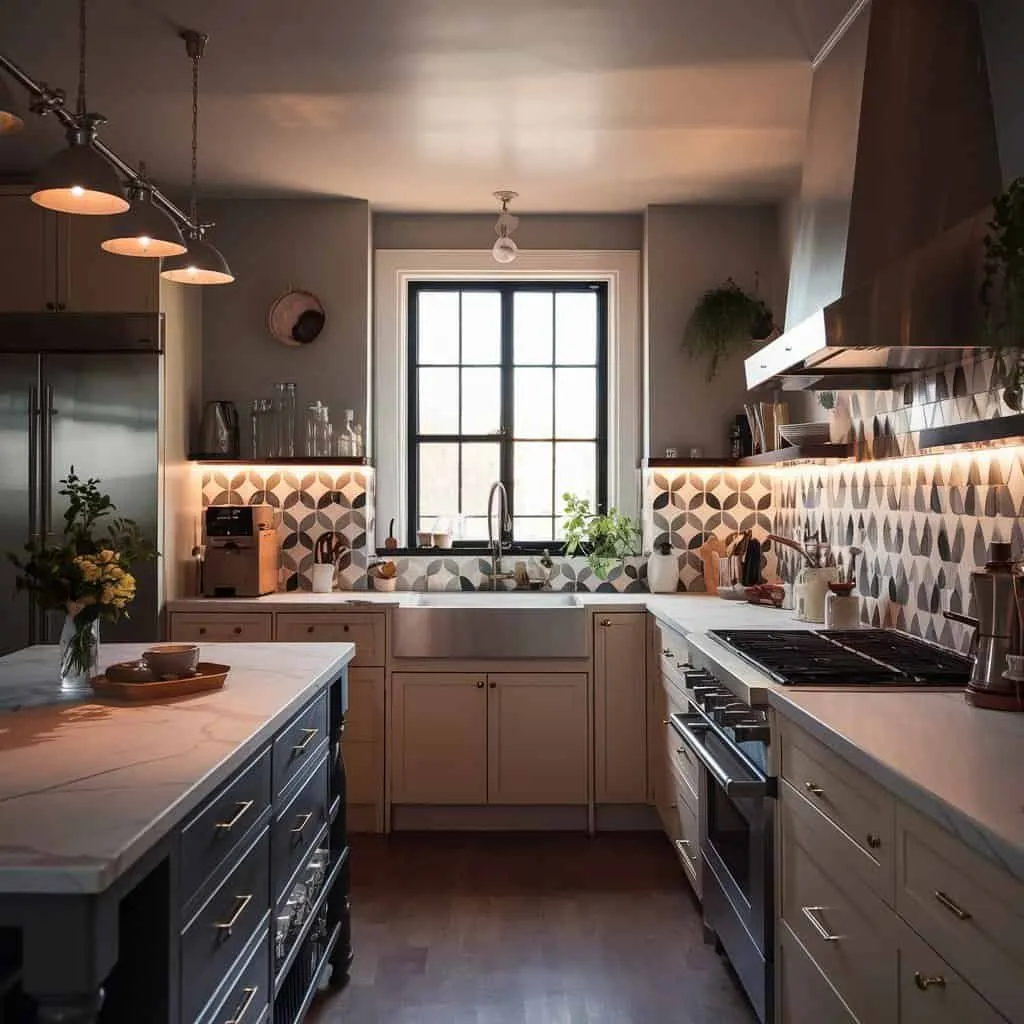
Kitchen Decor Ideas to Elevate Your Space
Your kitchen is more than just a place to cook it’s the heart of your home, a space where memories are made and flavors come alive. The right kitchen decor can transform this essential area into a stylish and functional haven. Whether you’re aiming for a complete renovation or a simple refresh, understanding the fundamentals of kitchen design will empower you to create a space that perfectly reflects your style and meets your needs. From selecting the ideal color palette to optimizing layout and incorporating the right accessories, we’ll explore the elements that elevate your kitchen from ordinary to extraordinary.
Understanding Kitchen Decor Styles
Before diving into specifics, it’s crucial to identify your preferred kitchen style. This will serve as a guiding principle for all your design choices, from cabinetry and countertops to lighting and accessories. Explore the different aesthetics to determine which best suits your taste and lifestyle. Are you drawn to sleek lines and minimalist designs, or do you prefer the warmth and charm of a more traditional look? The style you choose will set the tone for the entire space, so take your time to find the perfect fit.
Modern Kitchen Decor

Modern kitchens are characterized by clean lines, minimalist aesthetics, and a focus on functionality. They often feature sleek cabinetry, stainless steel appliances, and a neutral color palette. The use of materials like glass, metal, and high-gloss finishes adds to the contemporary feel. Modern kitchens prioritize efficiency and often incorporate innovative storage solutions and integrated appliances to create a streamlined and uncluttered space. The image of a modern kitchen often evokes a sense of spaciousness and sophistication, making it a popular choice for those seeking a cutting-edge look (modern-kitchen-decor.webp).
Traditional Kitchen Decor
Traditional kitchens offer a sense of warmth, elegance, and timeless appeal. They typically feature ornate details such as raised-panel cabinetry, crown molding, and decorative hardware. Warm colors, like creams, beiges, and soft yellows, often dominate the color palette, creating a welcoming atmosphere. Traditional kitchens often incorporate natural materials like wood and stone, adding to the sense of richness and comfort. The design style is characterized by its classic charm, creating a comforting and inviting culinary space (traditional-kitchen-decor.webp).
Contemporary Kitchen Decor
Contemporary kitchens represent the ’now’ in design, showcasing current trends and innovative ideas. They often blend elements from modern and other styles, such as incorporating textured elements, bold colors, and unique materials. Contemporary kitchens may feature sleek cabinetry but with interesting surface textures, unexpected lighting fixtures, and artistic accents. This style is all about embracing the latest innovations in design and creating a kitchen that feels fresh, stylish, and up-to-date (contemporary-kitchen-decor.webp).
Choosing the Right Color Palette

The color palette you select for your kitchen plays a huge role in setting the mood and overall aesthetic of your space. Colors have a powerful impact on our emotions and can dramatically alter the perceived size and feel of a room. When choosing your color scheme, consider the amount of natural light the kitchen receives, the size of the space, and your personal preferences. A well-chosen palette will tie all the elements together and create a cohesive and inviting environment.
Impact of Colors in Kitchens
Different colors evoke different emotions and can influence the perception of space. Light colors like white, cream, and pastels can make a small kitchen feel larger and brighter, while also providing a clean and airy atmosphere. Warm colors, such as reds, oranges, and yellows, can create a cozy and inviting ambiance, although they may make the space feel smaller. Cool colors like blues and greens can offer a sense of tranquility and serenity, but they might make the kitchen feel less warm. Consider the overall effect you want to achieve and choose colors that reflect your desired atmosphere.
Popular Kitchen Color Schemes
Some of the most popular kitchen color schemes include neutral palettes, such as white and gray, which offer a timeless and versatile base for adding pops of color through accessories and decor. Two-tone kitchens, where the upper and lower cabinets are different colors, are also a popular choice. For those looking for a bolder look, consider incorporating jewel tones like deep blues, greens, or even black. The key is to choose a palette that you love and that complements the overall style of your kitchen (kitchen-color-schemes.webp).
Maximizing Space with Decor

In smaller kitchens, clever use of decor can make a huge difference in terms of both functionality and aesthetics. Optimizing space is about creating a kitchen that feels open, well-organized, and visually appealing. This involves thinking creatively about storage solutions, utilizing vertical space, and strategically placing decor to enhance the overall functionality and design of the room. Every element should serve a purpose, contributing to a streamlined and efficient culinary environment.
Open Shelving Ideas
Open shelving is a fantastic way to add visual interest and storage to your kitchen. It can make the space feel less enclosed and provides an opportunity to display your favorite dishes, cookbooks, and decorative items. To maximize space, consider using open shelving in place of upper cabinets, or add them to a blank wall to create a focal point. Arrange items thoughtfully, grouping similar objects together and leaving some negative space to prevent the shelving from feeling cluttered (open-shelving-kitchen.webp).
Utilizing Vertical Space
Don’t forget to look up! Vertical space is a valuable resource in any kitchen. Utilize the walls by installing tall cabinets that reach the ceiling, maximizing storage capacity and minimizing wasted space. Hanging pot racks, utensil holders, and magnetic knife strips are also excellent ways to make use of vertical space and keep your countertops clear. Consider adding a stylish ladder to access those high shelves and add a touch of visual interest.
Lighting and Its Role in Kitchen Decor

Proper lighting is essential in a kitchen, influencing both functionality and ambiance. The right lighting scheme can brighten the entire space, highlighting specific areas, and creating a welcoming atmosphere. Think of lighting as an essential design element. Choosing the right type of lighting and its placement, can significantly impact the overall feel of your kitchen.
Types of Kitchen Lighting
There are three main types of lighting to consider in a kitchen: ambient, task, and accent. Ambient lighting, often provided by recessed lights or a central fixture, provides overall illumination. Task lighting, such as under-cabinet lights and pendants over the island, focuses on specific areas for food preparation and other tasks. Accent lighting, like track lighting or decorative lamps, adds visual interest and highlights specific features (kitchen-lighting-ideas.webp).
Lighting Placement for Ambiance
Strategic placement of lighting fixtures can create a desired ambiance. Consider layering different types of lighting to create a warm and inviting atmosphere. Use dimmers to adjust the brightness and set the mood. Place pendants or chandeliers above an island or dining area to add a touch of elegance, and install under-cabinet lights to illuminate countertops and create a cozy feel.
Incorporating Accessories and Decor

Accessories and decor are the final touches that add personality and style to your kitchen. Choosing the right items can transform your kitchen into a space that feels uniquely yours. Accessories can enhance the functionality of your kitchen while also adding visual appeal, reflecting your personal style and creating a cohesive design. From decorative elements to practical items, the right accessories can bring your kitchen design to life.
Choosing the Right Accessories
Select accessories that complement your kitchen’s overall style and color palette. This might include decorative items such as vases, bowls, and artwork, as well as functional items like cutting boards, utensil holders, and storage containers. Choose items that reflect your personality and interests, such as vintage pieces, modern sculptures, or handcrafted items. Think about incorporating textiles like kitchen towels, oven mitts, and seat cushions to add color and texture (kitchen-accessories.webp).
Displaying Decor Effectively
Arrange your decor thoughtfully to create a visually appealing and balanced space. Use open shelving to display your favorite items, and group similar objects together to create visual interest. On countertops, arrange items in clusters of varying heights and sizes to create a layered look. Consider using trays or platters to corral small items and prevent clutter. Remember to leave some negative space to avoid a cluttered feel. Display items in a way that makes them look as good as possible (kitchen-decor-display.webp).
Conclusion

Elevating your kitchen’s decor is an exciting process. By understanding various design styles, color palettes, and space optimization techniques, you can create a kitchen that reflects your personal style and meets your needs. Embrace the opportunity to create a space that inspires you, enhances your daily routines, and becomes the heart of your home. With careful planning and a touch of creativity, your kitchen can become a stunning and functional space that you’ll enjoy for years to come.