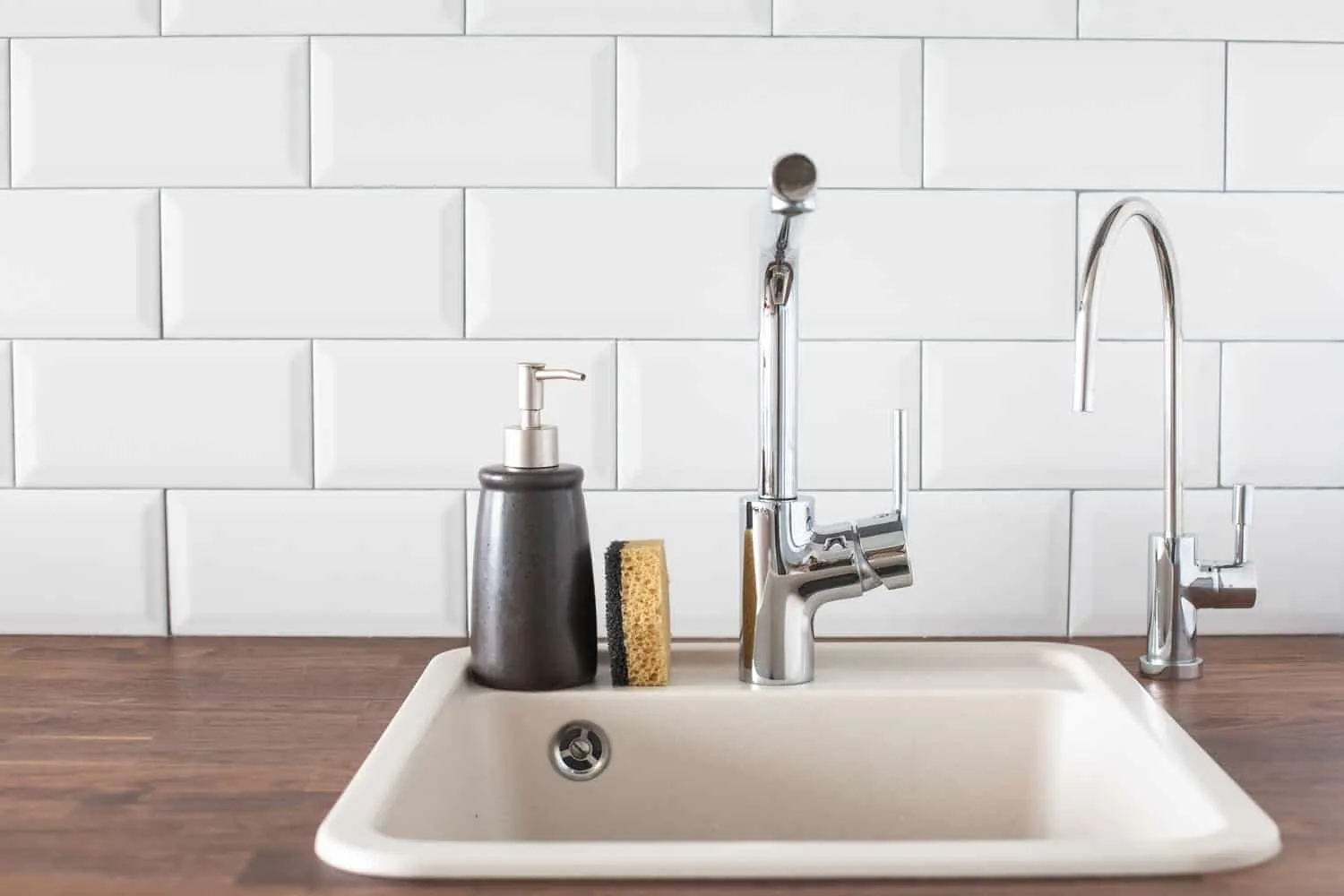
Sink Styles Overview
Choosing the right kitchen sink is more than just a practical decision it’s a design choice that can significantly impact the look and feel of your kitchen. With numerous sink styles available, each offering unique aesthetic and functional benefits, it’s essential to explore the different options to find the perfect match for your kitchen decor and lifestyle. From sleek undermount sinks that create a seamless countertop appearance to the classic charm of farmhouse sinks, the variety is vast. Considering the different styles, materials, and installation methods will ensure you select a sink that not only meets your daily needs but also enhances the overall design of your kitchen. Understanding the pros and cons of each style will help you make an informed decision, guaranteeing that your new sink complements your kitchen’s style and boosts its functionality.
Undermount Sinks
Undermount sinks are mounted beneath the countertop, creating a smooth and seamless transition between the counter and the sink. This design is popular for its clean lines and ease of cleaning, as there is no rim to trap food particles or water. Undermount sinks are a favorite in modern kitchens because they provide a sleek, uncluttered look. This style seamlessly integrates into the countertop, emphasizing the materials and design of the surface. They are versatile, complementing a wide range of countertop materials, from granite and quartz to solid surface materials. Undermount sinks are especially beneficial in kitchens where a clean aesthetic is prioritized, offering a streamlined appearance that simplifies both food preparation and cleanup.
Pros of Undermount Sinks

Undermount sinks boast several advantages. One of the most significant is the ease of cleaning; debris can be easily wiped directly into the sink without any obstruction. This design feature is a major plus in maintaining kitchen hygiene and cleanliness. Furthermore, the sleek appearance enhances the aesthetic appeal of any kitchen, adding a touch of sophistication and modernity. The seamless integration with the countertop makes the kitchen feel more open and spacious, which is particularly beneficial in smaller kitchens. Undermount sinks also offer increased countertop space, maximizing the usable area for food preparation and other kitchen tasks, which further enhances their functionality and appeal for homeowners looking to optimize their kitchen space.
Cons of Undermount Sinks
Despite the numerous advantages, undermount sinks have their drawbacks. The installation process is more complex and typically requires professional assistance, increasing the overall cost. Additionally, the support system of the countertop is crucial to prevent the sink from sagging or detaching. Undermount sinks are more suitable for solid surface countertops as opposed to laminate because of the potential for water damage to the countertop edges. While they offer a modern aesthetic, they may not be as suitable for traditional kitchen designs. The initial investment and the need for professional installation can also be a deterrent for budget-conscious homeowners. Careful consideration of these factors is essential when deciding if an undermount sink is the right choice for your kitchen renovation.
Farmhouse Sinks
Farmhouse sinks, also known as apron-front sinks, are characterized by their deep basins and exposed front, which extends beyond the cabinets. This style evokes a sense of classic charm and rustic elegance, often becoming a focal point in the kitchen. Farmhouse sinks come in various materials, including porcelain, stainless steel, and fireclay, offering flexibility to match diverse kitchen aesthetics. The deep basin design provides ample space for washing large pots, pans, and dishes, making them a practical choice for busy households. They are popular in kitchens with a traditional, country, or transitional design, adding warmth and character to the space.
Pros of Farmhouse Sinks

Farmhouse sinks offer several benefits. Their generous size provides ample space for washing dishes and handling large cookware items. The apron-front design reduces the need to lean over, which can ease strain on the back and shoulders. The aesthetic appeal of a farmhouse sink is another significant advantage; it adds a touch of rustic elegance and can dramatically enhance the kitchen’s overall design. The exposed front is available in a wide variety of materials and finishes, allowing for customization to match any kitchen decor. They also make a bold style statement, making them a focal point and conversation starter in your kitchen.
Cons of Farmhouse Sinks
Farmhouse sinks also have a few potential drawbacks. They typically require specific cabinetry to accommodate the apron-front design, which can limit design flexibility. The installation can be complex, often needing professional assistance, increasing the costs. Farmhouse sinks are generally more expensive than other sink styles, especially those made of premium materials. The large size of a farmhouse sink might also take up more counter space, which may not be ideal for smaller kitchens. These factors need careful consideration to ensure they are the right fit for your kitchen layout and budget.
Topmount Sinks
Topmount sinks, or drop-in sinks, are installed by dropping them into a pre-cut hole in the countertop. The rim of the sink rests on top of the counter, creating a visible edge. This style is a popular and budget-friendly option, known for its ease of installation. Topmount sinks are versatile and suitable for various countertop materials, including laminate, solid surface, and tile. They are a practical choice, especially for DIY enthusiasts due to their straightforward installation process. The rim of the sink helps to contain spills, preventing water from seeping into the cabinets below. They offer a balance of functionality and cost-effectiveness, making them a practical choice for a wide range of kitchen designs.
Pros of Topmount Sinks

Topmount sinks are relatively easy to install, making them suitable for DIY projects. This simplifies the installation process and can save on professional installation costs. They are also more affordable compared to undermount or farmhouse sinks, making them an economical choice. The rim of the sink helps contain spills, which can protect the countertop and cabinets from water damage. This design feature enhances the practicality and functionality of the sink, making it a reliable option for everyday use. Topmount sinks are compatible with a wide range of countertop materials, providing flexibility in kitchen design.
Cons of Topmount Sinks
The visible rim of a topmount sink can make cleaning the countertop more difficult, as debris and water can collect around the edges. The design doesn’t offer the same sleek, seamless look as undermount sinks, which might be a disadvantage for those seeking a modern aesthetic. While they are cost-effective, their appearance might not complement high-end kitchen designs as well as other styles. The rim can also limit the amount of usable countertop space. Considering these limitations is essential to determine if a topmount sink aligns with your kitchen’s design and your aesthetic preferences.
Apron-Front Sinks
Apron-front sinks, as mentioned earlier, are a design statement in themselves. These sinks are often the focal point of the kitchen, and their design is characterized by the front of the sink extending beyond the cabinets. They come in various materials, including stainless steel, cast iron, fireclay, and composite materials, each adding a unique texture and style. The exposed front of the sink brings a sense of classic charm, and they are available in different colors and finishes, making them highly versatile. Apron-front sinks blend style with functionality, offering ample space for washing dishes and a comfortable working height, making them a favored choice among many homeowners.
Pros of Apron-Front Sinks

Apron-front sinks offer a blend of style and functionality. The extended front provides a comfortable working height, which can reduce strain on the back. They serve as a stunning design element, adding character and charm to the kitchen. They come in a broad range of materials and styles, ensuring a good match with any decor. The deep basin offers ample space for washing dishes, making them practical for busy households. Apron-front sinks enhance the usability and the aesthetic appeal of your kitchen with their unique design features.
Cons of Apron-Front Sinks
Apron-front sinks require specific cabinetry, limiting design flexibility. The installation can be complex, potentially requiring professional installation, which can add to the cost. Their size can take up significant space, which might be a consideration in smaller kitchens. Apron-front sinks are generally more expensive than other sink styles. These factors require careful evaluation before selecting an apron-front sink, particularly when renovating a kitchen with space and budget constraints. Consider these factors alongside the benefits to make an informed decision that aligns with your kitchen’s needs and design preferences.
Choosing the Right Sink Style for Your Kitchen
Selecting the right sink involves considering your kitchen’s design, your lifestyle, and your personal preferences. The sink isn’t merely a utility; it’s an integral part of the kitchen’s aesthetic and functionality. It should complement the overall style of your kitchen while providing practical benefits for your everyday tasks. Understanding the differences between sink styles and the impact each one has on the overall design will guide you in making an informed decision. Think about your daily routines, the amount of space you have, and your aesthetic preferences. Taking your time to research and assess all the available options will ensure the perfect kitchen sink choice. Selecting the right sink will not only enhance the aesthetics but also improve your kitchen’s functionality and create a more enjoyable space.
Consider Your Kitchen’s Design

The design of your kitchen significantly influences the best sink style. Modern kitchens often feature sleek, minimalist designs, where undermount sinks can create a seamless look that complements the clean lines and contemporary design. Farmhouse sinks are a perfect match for kitchens with a rustic or traditional style, bringing a touch of classic charm and warmth to the space. Topmount sinks offer versatility, suitable for various kitchen designs, especially those that prioritize budget-friendliness and ease of installation. Assess the overall aesthetic of your kitchen and determine which sink style best enhances its design. Matching your sink to your kitchen’s style is crucial for creating a cohesive and visually appealing space. The correct choice will make your kitchen look complete and balanced.
Assess Your Needs and Habits
Your daily kitchen habits and needs should greatly influence your sink selection. If you frequently wash large pots and pans, a deep basin sink, such as a farmhouse sink, would provide ample space and convenience. For those who prioritize easy cleaning and a streamlined look, an undermount sink may be a more suitable choice. Consider the amount of food preparation you do and the number of dishes you typically wash. For busy families or individuals who cook frequently, a double-basin sink can offer more versatility, allowing for separate washing and rinsing areas. Think about how you utilize your kitchen to select a sink that best caters to your requirements and enhances your cooking and cleaning experience.
Considering Material and Finish
The material and finish of your sink are vital in determining its durability and appearance. Stainless steel is a popular choice for its durability, resistance to stains, and easy maintenance, offering a contemporary look that suits most kitchen styles. Fireclay and porcelain sinks provide a classic, elegant appearance, though they may be more susceptible to chipping. Composite sinks offer versatility and a range of colors, blending well with various designs. Consider the material’s durability, ease of cleaning, and its ability to withstand daily use. The finish of the sink, whether brushed, polished, or matte, affects its overall aesthetic and its ability to hide scratches and water spots. Choosing a durable and stylish sink ensures that it complements your kitchen’s design and also withstands the wear and tear of daily use.
How to Maintain Your Kitchen Sink

Proper maintenance is vital to preserve the appearance and functionality of your kitchen sink. Regular cleaning, the use of appropriate cleaning products, and avoiding harsh chemicals will ensure your sink stays in good condition. Regular upkeep prevents the buildup of stains, water spots, and limescale, maintaining its aesthetic appeal. Adopting a proactive approach to cleaning and maintenance also extends the lifespan of your sink, saving you the inconvenience and expense of early replacement. Keeping your sink clean and well-maintained ensures it continues to complement your kitchen’s design while providing reliable service for years to come.
Cleaning Your Sink
The cleaning process for your sink depends on the material. For stainless steel sinks, regular cleaning with mild dish soap and a soft cloth is recommended. Avoid abrasive cleaners or steel wool, which can scratch the surface. For porcelain or fireclay sinks, use non-abrasive cleaners to prevent damage. Always rinse the sink thoroughly after cleaning to remove any residue. Regularly wiping down your sink after use, especially after food preparation, prevents the buildup of stains and odors. For stubborn stains, a paste of baking soda and water can be a gentle yet effective cleaning solution. Regular cleaning not only maintains the look of your sink but also helps to maintain hygiene.
Preventing Damage
To prevent damage, avoid placing hot pots and pans directly on the sink, especially if it’s made of stainless steel or porcelain. Use a sink grid or a trivet to protect the surface from scratches. Be cautious when using sharp objects, and avoid dropping heavy items into the sink. Avoid using harsh chemicals or abrasive cleaners, which can damage the finish of your sink. If you have a garbage disposal, be mindful of what you put into it, as it can also lead to damage. Taking these precautions can protect your sink from damage, preserving its appearance and functionality for years to come. Regular maintenance helps prevent damage, ensuring that your kitchen sink continues to serve its purpose effectively.