Choosing the Right Wallpaper Kitchen Decor
Wallpaper can dramatically transform a kitchen, adding personality, style, and depth to the space. However, selecting the right wallpaper kitchen decor is crucial for achieving the desired aesthetic and ensuring longevity. Several factors come into play, including the kitchen’s size, lighting, existing decor, and the overall ambiance you wish to create. Consider the functionality of the kitchen as well; areas prone to moisture, such as near the sink or stove, will require more durable and washable wallpaper options. Color and pattern play a significant role. Lighter colors and subtle patterns can make a small kitchen feel larger and brighter, while bolder designs are excellent for adding a statement to larger kitchens. The material of the wallpaper is also a key consideration, directly influencing its durability and suitability for the kitchen environment.
Wallpaper Kitchen Decor Types and Materials
The market offers a wide variety of wallpaper materials, each with its own unique characteristics and suitability for kitchen environments. Understanding these differences will help you make an informed decision. The most common types include vinyl, paper, and non-woven wallpaper. Each material offers different levels of durability, moisture resistance, and ease of cleaning. Vinyl wallpaper, renowned for its durability and water resistance, is an excellent choice for kitchens, especially in high-moisture areas. Paper wallpaper, a more traditional option, offers a wider range of designs and textures but requires more care and is less suitable for areas prone to spills and splashes. Non-woven wallpaper, made from a blend of natural and synthetic fibers, is a versatile option that is breathable, easy to install, and offers good dimensional stability, making it a practical choice for various kitchen settings.
Vinyl Wallpaper for Kitchen

Vinyl wallpaper stands out as a top choice for kitchens due to its remarkable water resistance and easy-to-clean surface. This makes it ideal for areas where splashes and spills are common. It is also durable and can withstand regular cleaning without fading or damage. Vinyl wallpaper comes in various types, including solid vinyl, which is the most durable, and vinyl-coated paper, which offers a balance of design flexibility and water resistance. When choosing vinyl wallpaper for your kitchen, consider the thickness and texture. Thicker vinyl wallpapers are more resilient and can hide imperfections on the wall surface. Vinyl wallpapers are available in an extensive range of patterns, colors, and finishes, allowing you to create the perfect look for your kitchen, from sleek modern designs to classic, timeless styles. Image of a stylish kitchen with vinyl wallpaper.
Paper Wallpaper for Kitchen
Paper wallpaper is a classic option that offers a wide array of designs, patterns, and textures, providing a unique aesthetic appeal. However, it requires more careful consideration for kitchen use. Being less resistant to moisture than vinyl, paper wallpaper is best suited for areas less prone to splashes and humidity, such as dining areas or walls away from the sink and stove. It’s crucial to protect paper wallpaper from water damage; consider applying a sealant or choosing a paper wallpaper with a protective coating for added durability. While paper wallpaper might not be ideal for every area of the kitchen, its visual appeal can be a significant design element, allowing you to add intricate patterns and textures that create a unique and inviting atmosphere. Proper care and placement are key to enjoying the beauty of paper wallpaper in the kitchen. Image of a kitchen with paper wallpaper.
Non-Woven Wallpaper for Kitchen
Non-woven wallpaper is a versatile and practical choice for kitchens, offering a balance of aesthetics and functionality. Made from a blend of natural and synthetic fibers, it is breathable, making it less prone to mold and mildew, a common concern in humid kitchen environments. Non-woven wallpaper is also easy to install, as it can be applied directly to the wall without needing a backing, and it offers good dimensional stability, preventing shrinking or expanding. It is generally more durable than paper wallpaper, making it easier to clean and maintain. While not as water-resistant as vinyl, non-woven wallpaper can withstand some moisture and is a good option for various kitchen spaces. Non-woven wallpapers are available in many designs and textures, allowing you to achieve a stylish and practical kitchen design. Image of a kitchen with non-woven wallpaper.
Wallpaper Kitchen Decor Trends

Keeping up with current wallpaper kitchen decor trends can help you create a stylish and contemporary kitchen. Several trends are currently popular, including bold patterns, subtle textures, and nature-inspired designs. Bold patterns are a fantastic way to make a statement in your kitchen, adding personality and visual interest. Geometric designs, large-scale florals, and abstract art can transform a plain wall into a focal point. Subtle textures, such as linen or faux-stone finishes, offer a more understated elegance, providing a tactile experience and adding depth without overwhelming the space. Nature-inspired designs, including botanical prints, wood grain effects, and organic patterns, bring a sense of tranquility and connection to the outdoors, creating a warm and inviting kitchen environment.
Bold Patterns for Kitchen
Bold patterns are a daring and effective way to add personality and visual interest to your kitchen. They can be used to create a focal point, define zones, or simply add a touch of whimsy. When selecting bold patterns for your kitchen, consider the size of your space and the existing decor. In smaller kitchens, it is best to use bold patterns on a single wall to avoid overwhelming the space. In larger kitchens, you can be more adventurous with patterns, even using them on multiple walls. Popular bold pattern choices include geometric designs, which add a modern touch; large-scale florals, creating a dramatic and elegant feel; and abstract art, which can be highly unique and personalized. The key is to choose patterns that resonate with your style and complement the other elements in your kitchen, such as cabinetry, countertops, and appliances. Image of a kitchen with bold pattern wallpaper.
Subtle Textures for Kitchen
Subtle textures are a sophisticated way to add depth and visual interest to your kitchen without overwhelming the space. Textured wallpapers offer a tactile experience, enhancing the overall ambiance. They can create a sense of warmth and luxury, making your kitchen feel more inviting. Some popular textured wallpaper options include linen-look finishes, which add a natural and understated elegance; faux-stone or brick effects, which create a rustic and industrial vibe; and metallic finishes, which add a touch of glamour and sophistication. Consider the lighting in your kitchen when choosing textured wallpaper. Natural light can highlight the texture, while artificial light can create shadows that accentuate the pattern. The key is to select a texture that complements your overall design scheme and enhances the aesthetic appeal of your kitchen. Image of a kitchen with subtle texture wallpaper.
Nature-Inspired Wallpaper
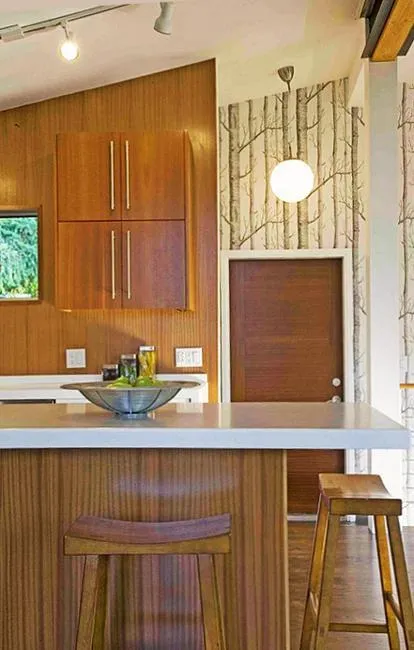
Nature-inspired wallpaper brings a sense of tranquility and the outdoors into your kitchen, creating a serene and inviting space. Botanical prints, such as leaves, flowers, and branches, are a popular choice, adding a fresh and natural feel. Wood grain effects, with their warm tones and organic patterns, create a cozy and rustic atmosphere. Other options include scenic landscapes, featuring forests, mountains, or oceans, bringing a touch of the outside world indoors. When selecting nature-inspired wallpaper, consider the overall color scheme of your kitchen. Earth tones, such as greens, browns, and blues, work well to create a harmonious and balanced look. Ensure the wallpaper complements the other elements in your kitchen, such as the countertops, cabinets, and flooring, to achieve a cohesive design. Nature-inspired wallpaper can transform your kitchen into a peaceful and stylish retreat, connecting you with the beauty of the natural world. Image of a kitchen with nature-inspired wallpaper.
Wallpaper Kitchen Decor Installation Tips
Proper installation is crucial for achieving a professional and long-lasting wallpaper kitchen decor. Before you start, gather the necessary tools, including a level, measuring tape, smoothing tool, utility knife, and wallpaper adhesive. Surface preparation is the first and most critical step, ensuring the wallpaper adheres properly. This involves cleaning the walls to remove dirt and grease, repairing any imperfections, and priming the surface. The type of adhesive you need will depend on the type of wallpaper you are using. Follow the manufacturer’s instructions carefully for mixing and applying the adhesive. When hanging the wallpaper, align the pattern correctly, using a level to ensure each strip is straight. Use a smoothing tool to remove air bubbles and wrinkles. After installation, trim any excess wallpaper around windows, doors, and outlets using a utility knife. Taking your time and following these steps will help you achieve a beautiful and durable wallpaper finish in your kitchen. Image of someone installing wallpaper.
Surface Preparation for Wallpaper
Surface preparation is a critical step in ensuring the longevity and aesthetic appeal of your wallpaper kitchen decor. It involves creating a clean, smooth, and properly primed surface for the wallpaper to adhere to. Begin by thoroughly cleaning the walls to remove any dirt, grease, or grime. Wash the walls with a mild detergent and water, then rinse and let them dry completely. Next, inspect the walls for imperfections, such as cracks, holes, or uneven surfaces. Repair any damage with patching compound and sand the surface smooth once dry. Priming the walls is essential, as it helps the wallpaper adhere properly and prevents it from absorbing too much adhesive. Use a wallpaper primer, following the manufacturer’s instructions for application. Allow the primer to dry completely before installing the wallpaper. Proper surface preparation ensures a professional finish and helps your wallpaper last for years. Image of a person preparing the wall.
Wallpaper Kitchen Decor Application

The application of wallpaper requires precision and attention to detail to achieve a flawless finish. First, prepare your wallpaper by cutting the strips, matching the pattern as needed. Next, apply the appropriate adhesive to the wall or the back of the wallpaper, according to the manufacturer’s instructions. Carefully align the first strip of wallpaper, using a level to ensure it is straight. Gently smooth the wallpaper onto the wall, working from the center outwards to remove air bubbles and wrinkles. Use a smoothing tool or a soft cloth to achieve a smooth, even surface. As you apply each strip, match the pattern carefully and overlap the edges slightly to create a seamless look. Trim any excess wallpaper around windows, doors, and outlets using a sharp utility knife. Take your time and be patient, and the results will be well worth the effort. Image of a person applying wallpaper.
Maintaining Wallpaper Kitchen Decor
Proper maintenance is key to preserving the beauty and longevity of your wallpaper kitchen decor. Regular cleaning and care are essential for keeping your wallpaper looking its best. The cleaning methods will vary depending on the type of wallpaper you have. Vinyl wallpaper is generally the easiest to clean; you can wipe it down with a damp cloth and mild soap. Paper wallpaper requires more gentle cleaning; avoid getting it too wet. Non-woven wallpaper can be cleaned with a damp cloth as well. To prevent damage, avoid harsh chemicals or abrasive cleaners. Address any stains or spills promptly to prevent them from setting in. Regularly inspect your wallpaper for any signs of damage, such as peeling or fading. Promptly repair any damage to prevent it from worsening. By following these maintenance tips, you can enjoy your wallpaper kitchen decor for many years. Image of a person cleaning the kitchen wallpaper.
Cleaning and Care for Kitchen Wallpaper
Cleaning your kitchen wallpaper properly is essential for maintaining its appearance and extending its lifespan. The cleaning method will depend on the type of wallpaper you have. Vinyl wallpaper is the most durable and easiest to clean. You can wipe it down with a damp cloth and a mild soap solution, using gentle circular motions. Avoid using abrasive cleaners or scrubbing pads, as they can damage the surface. For paper wallpaper, which is more delicate, use a soft, dry cloth or a very lightly dampened sponge. Blot gently to remove any stains, and avoid getting the wallpaper too wet. Non-woven wallpaper can be cleaned using a damp cloth; test a small, inconspicuous area first to ensure the color doesn’t fade. Always follow the manufacturer’s instructions for cleaning your specific wallpaper type. Regularly dust your wallpaper with a soft brush or cloth to prevent dust buildup. Addressing spills and stains promptly will help maintain the pristine look of your wallpaper kitchen decor. Image of a person cleaning the kitchen wallpaper.
Repairing Wallpaper Kitchen Decor

Even with proper care, your wallpaper kitchen decor might experience damage over time. Knowing how to repair minor issues can help you maintain a flawless look. For small tears or rips, you can often use a wallpaper seam roller to smooth the edges back together. If a section of wallpaper is damaged, you can try patching it with a piece of matching wallpaper. Carefully cut out the damaged section, and replace it with a piece of wallpaper that matches the pattern. Use wallpaper adhesive to secure the patch, and smooth it down carefully. For more significant damage, consider consulting a professional wallpaper installer. They can assess the damage and recommend the best course of action, whether it involves patching, replacing sections, or re-hanging the wallpaper. Regularly inspect your wallpaper for any signs of damage, and address issues promptly to prevent them from worsening. With proper care and maintenance, you can keep your wallpaper kitchen decor looking beautiful for years to come.
Wallpaper Kitchen Decor and Budgeting
Decorating your kitchen with wallpaper can be a cost-effective way to transform the space. Budgeting effectively is key to staying within your financial limits. The cost of wallpaper varies widely depending on the material, pattern, and brand. Vinyl wallpapers are generally more affordable than designer or specialty papers. To save money, consider purchasing wallpaper on sale or from discount retailers. Measure your kitchen walls carefully to determine the amount of wallpaper you need, and avoid overbuying. Factor in the cost of tools, adhesive, and any necessary surface preparation materials. If you plan to hire a professional installer, get quotes from several contractors and compare their pricing. You can save on labor costs by doing some of the prep work yourself, such as cleaning the walls or removing old wallpaper. Explore various wallpaper options and compare prices before making a decision. By setting a budget and sticking to it, you can achieve a stunning kitchen transformation with wallpaper without breaking the bank.
In conclusion, wallpaper kitchen decor offers a fantastic opportunity to elevate your kitchen’s design and add a personal touch. By carefully considering the material, patterns, and installation techniques, you can create a stylish and functional kitchen space. Remember to choose wallpaper that is suited to the kitchen environment and easy to maintain. With the right approach, wallpaper can be a budget-friendly way to transform your kitchen into a space you will love. Embrace the trends, explore different textures, and enjoy the process of creating a kitchen that reflects your style and enhances your home.