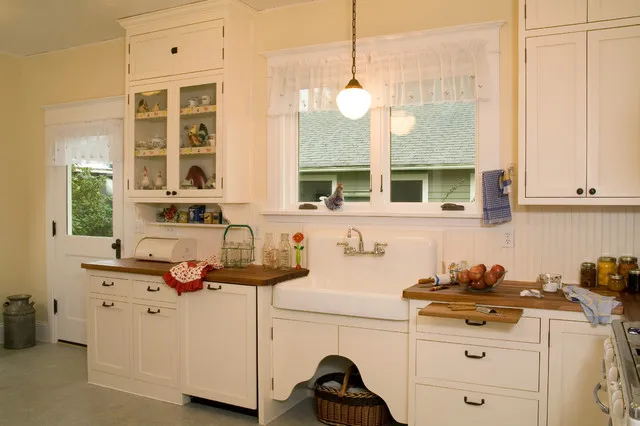
What is 1920s Western Kitchen Decor?
1920s Western kitchen decor evokes a sense of rugged charm, blending the practicality of a working kitchen with the aesthetic of the American West. Think of the homestead kitchens of the early 20th century, where functionality met a deep appreciation for natural materials and a connection to the land. This style is characterized by a warm, inviting atmosphere, incorporating elements that celebrate the spirit of the frontier and the rustic beauty of the environment. It’s a design choice that speaks of a bygone era, appealing to those who appreciate history, craftsmanship, and the enduring allure of the Wild West. This style is more than just a design trend; it is a celebration of heritage and the simpler things in life.
Key Elements of 1920s Western Kitchen Decor
Several key elements define the 1920s Western kitchen decor. These components work together to create the overall aesthetic, establishing a sense of place and time. Key features include the use of natural materials like wood and stone, a palette of earthy tones, and accents that celebrate the cowboy lifestyle. The integration of vintage appliances, rustic furniture, and practical storage solutions is also very important. By paying attention to these core elements, you can authentically capture the spirit of the 1920s West in your kitchen design. It is important to blend these elements carefully, ensuring a balanced and harmonious result.
Rustic Wood and Exposed Beams

The use of wood is central to the Western kitchen aesthetic. Think of sturdy, well-worn wooden cabinets, butcher block countertops, and exposed ceiling beams. The wood’s natural grain and imperfections add character, and the texture provides a warm, inviting feel. Dark, stained wood can be particularly effective, creating a cozy and intimate space. Reclaimed wood is an excellent choice, as it adds a sense of history and sustainability. Consider incorporating elements like a wooden kitchen island or a dining table made from a repurposed timber. The goal is to create a space that feels grounded, authentic, and connected to nature. Remember, the wood should look naturally aged.
Earthenware and Stoneware
Earthenware and stoneware were staple in 1920s Western kitchens, providing functional and decorative elements. These pieces, often handmade, add a sense of rustic charm and history to the space. Consider incorporating ceramic dishes, mixing bowls, and serving platters in earthy tones, such as browns, creams, and muted greens. Stoneware crocks are a classic choice, perfect for storing utensils or displaying dried flowers. The imperfections and variations in the glazes and textures of earthenware and stoneware pieces make them unique and contribute to the overall authenticity of the design. You can also include elements like a ceramic sink or decorative tiles to enhance the look.
The Importance of Natural Light
Natural light is essential for bringing any kitchen to life, and it plays a crucial role in 1920s Western decor. Large windows, preferably with simple frames, allow sunlight to flood the space, illuminating the wooden surfaces and highlighting the textures of the materials. Sheer curtains or no window coverings at all enhance the connection to the outdoors, embracing the sense of openness and freedom. If your kitchen doesn’t receive ample natural light, consider incorporating artificial lighting that mimics the warmth of sunlight. The goal is to create a bright, airy, and welcoming space that feels connected to the natural world. This connection to the environment is a hallmark of the Western aesthetic.
Vintage Appliances and Fixtures

Vintage appliances and fixtures add authenticity and character to your 1920s Western kitchen. Look for enamel stoves, refrigerators with rounded edges, and cast-iron sinks. These pieces should have a distinct aesthetic that speaks of a time gone by. Even if you opt for modern appliances, consider incorporating vintage-style fixtures like faucets and cabinet hardware. The hardware can include copper or bronze finishes, adding a touch of warmth and elegance to the space. Consider vintage lighting fixtures, such as pendant lights or lanterns, to enhance the ambiance. The goal is to create a space that feels lived-in and reflects the history of the era.
Cowboy-Themed Accents and Decorations
To fully embrace the Western theme, incorporate cowboy-themed accents and decorations. These details will help to create a cohesive and immersive aesthetic. Consider items like a vintage saddle, framed vintage cowboy photos, or a cowhide rug. Displaying antique tools, such as branding irons or horseshoe, adds a touch of authenticity. Adding a collection of vintage kitchen tools like rolling pins, cookie cutters or bread boards. These decorative accents will add a sense of personality, and reflect the lifestyle associated with the Wild West. The decorations you choose should feel genuine, rather than contrived.
Incorporating Western Decor Into Your Kitchen
Incorporating Western decor into your kitchen requires careful planning and a thoughtful approach. The goal is to create a space that is both functional and aesthetically pleasing, capturing the essence of the 1920s Western style. Start by identifying the core elements of the style that appeal to you most, whether it’s the use of wood, the earthy color palette, or the cowboy-themed accents. Then, begin to introduce these elements gradually, mixing and matching different textures, patterns, and materials to create a cohesive look. Don’t be afraid to experiment and have fun with the process. The key is to create a space that feels uniquely yours while also staying true to the historical inspiration.
Choosing the Right Color Palette

The color palette is one of the most important aspects of creating a 1920s Western kitchen. Opt for warm, earthy tones inspired by the natural landscape of the American West. Consider using shades of brown, beige, cream, and terracotta as the foundation. Accent colors can include deep greens, rusty reds, and muted blues, to evoke the vast expanse of the prairies. Avoid bright, modern colors that can disrupt the vintage aesthetic. The aim is to create a space that feels warm, inviting, and connected to the earth. You can achieve this by incorporating the colors in your paint, cabinetry, and accessories.
Adding Western-Inspired Accessories
Accessories are what truly bring the 1920s Western kitchen to life. Choose items that evoke the spirit of the West and add personality to your space. Display vintage kitchen tools, like rolling pins, wooden spoons, and cast-iron skillets. Incorporate rustic elements, like a cowhide rug, a vintage saddle, or framed vintage photographs. Display items with a clear connection to the theme, without overcrowding the space. Consider using vintage-style canisters or decorative bowls, and display some of them on open shelves. The aim is to create a space that feels lived-in and reflects the history of the era. These details will help create a unique and authentic Western kitchen.
Where to Find Western Kitchen Decor
Finding the right decor for your 1920s Western kitchen requires a bit of exploration. Both online and in person, there are numerous resources to locate pieces that capture the essence of the style. The key is to know where to look and to be patient. You may need to visit several places to find everything you need. The search is part of the fun, and it will allow you to customize your kitchen, making it uniquely yours. You’ll also get the satisfaction of discovering unique treasures that will become cherished pieces in your home. It’s a great way to find items that are not only visually appealing but also tell a story.
Online Retailers and Specialty Stores

Online retailers and specialty stores offer a wide selection of Western-inspired kitchen decor. Websites like Etsy, Amazon, and Wayfair often feature a variety of options, from vintage-style appliances to cowboy-themed accessories. You can also search for stores that specialize in rustic or farmhouse decor, as these often carry items that fit the Western aesthetic. Be sure to check the reviews and compare prices before making a purchase. Shopping online provides you with the ability to look for unique items at any time. Take the time to browse different options until you find the perfect items for your kitchen. Many of these stores offer free shipping.
Vintage Shops and Flea Markets
Vintage shops and flea markets are treasure troves for finding authentic 1920s Western kitchen decor. These venues are a great place to locate unique and antique items, such as vintage appliances, enamelware, and cowboy-themed accessories. Visit local flea markets and antique shops regularly to discover new finds. Be patient, and don’t be afraid to haggle for the best prices. These venues often offer unique pieces, and you can find incredible pieces that are not available anywhere else. These pieces can be unique and one-of-a-kind treasures. Make sure to check items thoroughly for any damage or wear before purchasing.
Conclusion
Creating a 1920s Western kitchen is a delightful way to infuse your home with rustic charm and a touch of history. By focusing on the key elements of the style – rustic wood, earthy tones, vintage accents, and a connection to the natural world – you can create a space that is both beautiful and functional. Whether you’re drawn to the rugged simplicity of the frontier or the romance of the Wild West, this design style offers a unique opportunity to express your personal style. Embrace the spirit of the West, and enjoy the process of creating a kitchen that feels warm, inviting, and uniquely yours. Your kitchen should tell a story, and it should reflect your lifestyle.